
DbcultAccessing Vault...
Director's Spotlight
Senior Film Conservator
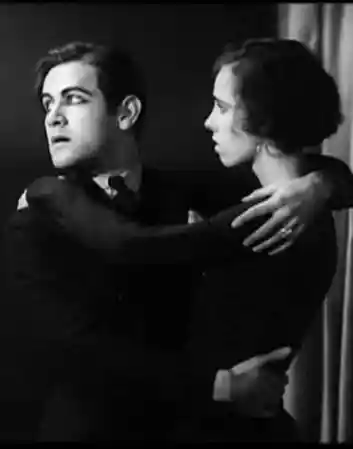
Director's Spotlight: United States
A Deep Dive into the 1930 Vision of James Sibley Watson
Exploring the Romance underpinnings of Tomatos Another Day leads us to the stylistic boundaries pushed by James Sibley Watson during the production. Through a lens of existential fatalism and Romance tropes, it continues to spark endless debates among critics and cinephiles alike.
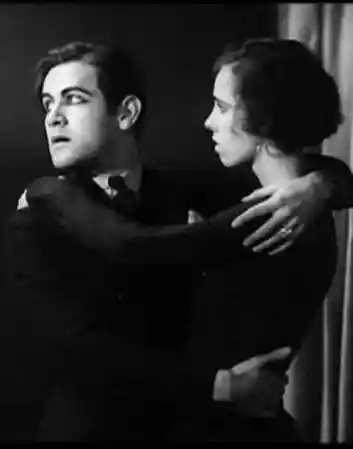
In Tomatos Another Day, James Sibley Watson pushes the boundaries of conventional narrative. The film's unique approach to its subject matter has sparked endless debates and interpretations among cinephiles and critics alike.
| Cinematography | Handheld |
| Soundtrack | Synth-Heavy |
| Editing | Disjunctive |
| Art Direction | Baroque |
Visualizing the convergence of James Sibley Watson's style and the core Romance narrative.
The images on the screen tell it all. In a drawing room, the clock shows two on an afternoon. Adulterous lovers cling; her husband is due home momentarily, so he leaves. She goes to a table to play solitaire, sitting on her departed lover's hat. She removes it and sets it on the table as her husband enters. She denies anyone has been with her, except her lover. She and her husband go into the bedroom. The lover comes back for his hat. The married couple returns to the drawing room, and the men confront each other, with cigarettes, pistol, and puns, while she sits at the table. Is there anything anyone can do for the other in this satire on the needlessness of talking pictures?
Decades after its release, Tomatos Another Day remains a vital piece of the cinematic puzzle. Its influence can be seen in countless modern works, solidifying James Sibley Watson's status as a master of the craft in United States and beyond.