
DbcultAccessing Vault...
Director's Spotlight
Senior Film Conservator
Director's Spotlight: United States
A Deep Dive into the 1923 Vision of James W. Horne
The evocative power of A Man of Action stems from the unique collaboration between the bold experimentation that has become synonymous with James W. Horne. Framed by the hauntingly beautiful landscapes of the production, it echoes the profound changes occurring in United States during that era.
In A Man of Action, James W. Horne pushes the boundaries of conventional narrative. The film's unique approach to its subject matter has sparked endless debates and interpretations among cinephiles and critics alike.
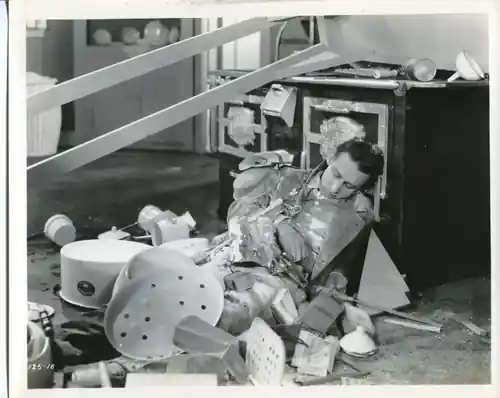
In this work, James W. Horne explores the intersection of Drama and United States cultural identity. The meticulous attention to detail suggests a deep-seated commitment to pushing the boundaries of the medium, ensuring that A Man of Action remains a relevant topic of study for Drama enthusiasts.
| Cinematography | Handheld |
| Soundtrack | Minimalist |
| Editing | Disjunctive |
| Art Direction | Baroque |
Visualizing the convergence of James W. Horne's style and the core Drama narrative.
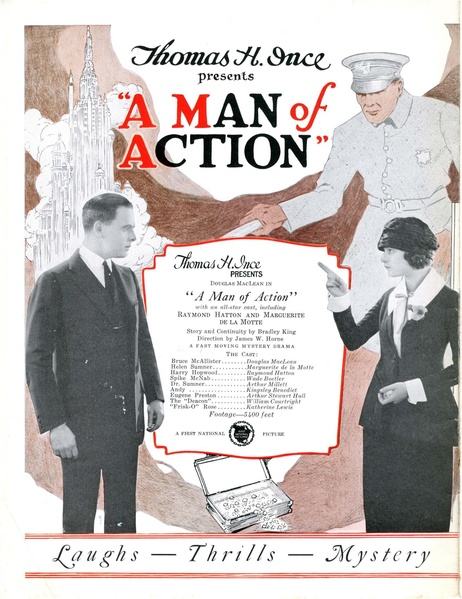
Wealthy Bruce MacAllister is goaded by his fiancée, Helen Sumner, into proving that he is a man of action rather than a pampered youth. After telling his estate administrator, Eugene Preston, that he is going east for a meeting, Bruce dons a disguise and infiltrates the San Francisco, CA, underworld. Bruce is mistaken for master criminal "The Chicago Kid" and finds himself leading the gang in a robbery of his own fortune in diamonds. When he discovers Eugene's intention to steal the jewels for himself, the loot changes hands many times. Helen summons the police, the criminals are arrested, and Bruce wins her respect.
Decades after its release, A Man of Action remains a vital piece of the cinematic puzzle. Its influence can be seen in countless modern works, solidifying James W. Horne's status as a master of the craft in United States and beyond.