
DbcultAccessing Vault...
Director's Spotlight
Senior Film Conservator
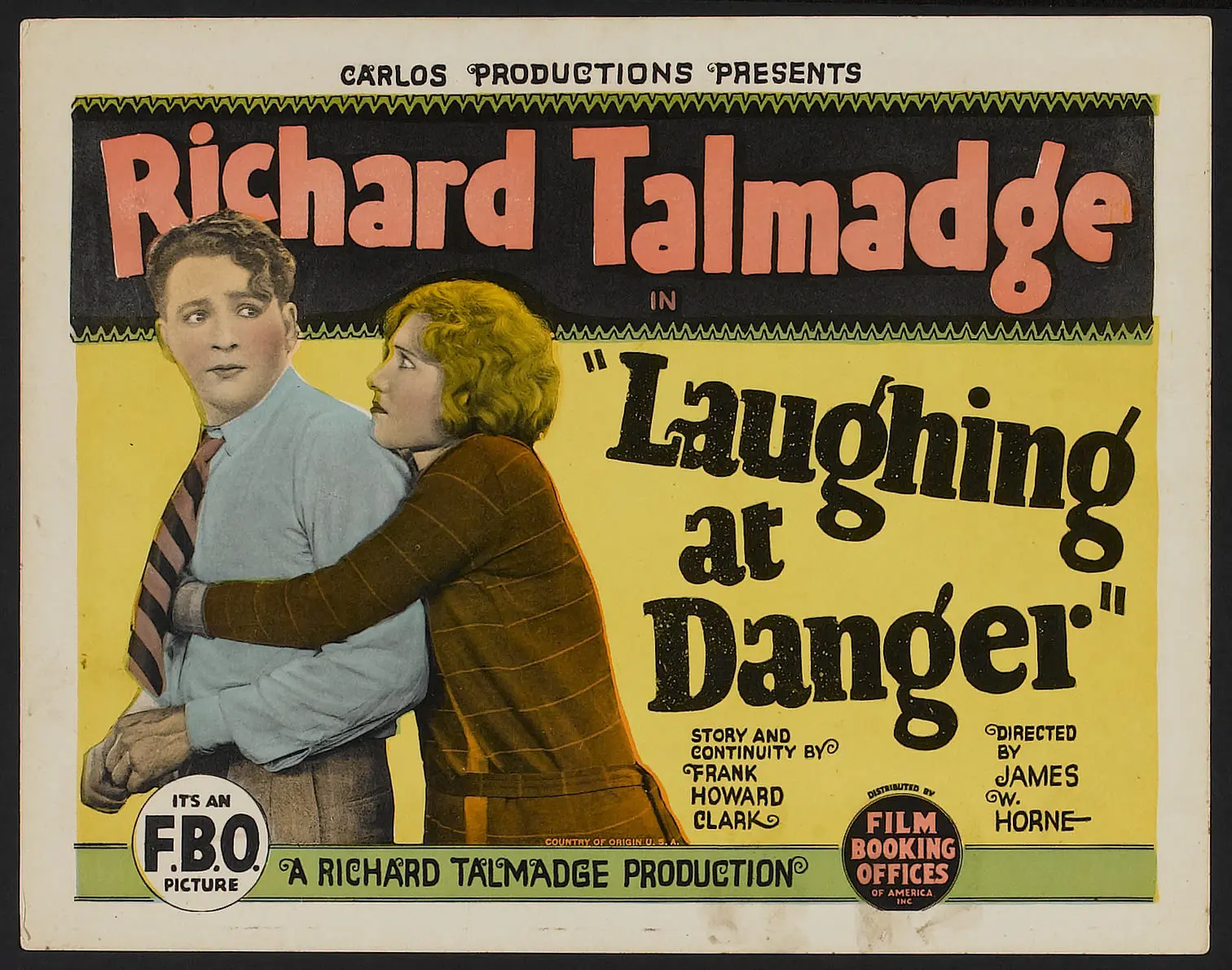
Director's Spotlight: United States
A Deep Dive into the 1924 Vision of James W. Horne
Exploring the Sci-Fi underpinnings of Laughing at Danger leads us to the stylistic boundaries pushed by James W. Horne during the production. Through a lens of existential fatalism and Sci-Fi tropes, it continues to spark endless debates among critics and cinephiles alike.
In Laughing at Danger, James W. Horne pushes the boundaries of conventional narrative. The film's unique approach to its subject matter has sparked endless debates and interpretations among cinephiles and critics alike.
To fully appreciate Laughing at Danger, one must consider the cinematic climate of 1924. During this period, United States was undergoing significant artistic shifts, and James W. Horne was at the forefront of this Sci-Fi movement, often challenging established norms.
| Cinematography | Noir-Inspired |
| Soundtrack | Experimental |
| Editing | Invisible |
| Art Direction | Kitsch |
Visualizing the convergence of James W. Horne's style and the core Sci-Fi narrative.
When he is jilted, Alan Remington, the son of a wealthy Washington politician, falls into a state of deep depression. On the advice of Professor Hollister, from whom he is purchasing a death ray, the elder Remington attempts to divert Alan by providing him with excitement. At this time, a gang of foreign agents, led by Darwin Kershaw, Remington's secretary, kidnap both the inventor and his daughter, Carolyn, and steal the death ray, but not before the resourceful girl has thrown the control key to the ray out of the window, where it lands in Alan's car. The conspirators attempt to regain the key, but they are mockingly foiled on several occasions by Alan, who thinks they are men hired by his father to jolt him out of his depression. Alan eventually realizes that the men are seriously trying to kill him, and he sets out to bring them to justice. Alan prevents the agents from destroying several naval gunboats, rescues the Hollisters, and rounds up the aliens, handing them over to the F. B. I.
Decades after its release, Laughing at Danger remains a vital piece of the cinematic puzzle. Its influence can be seen in countless modern works, solidifying James W. Horne's status as a master of the craft in United States and beyond.