
DbcultAccessing Vault...
Director's Spotlight
Senior Film Conservator
Director's Spotlight: United States
A Deep Dive into the 1923 Vision of James W. Horne
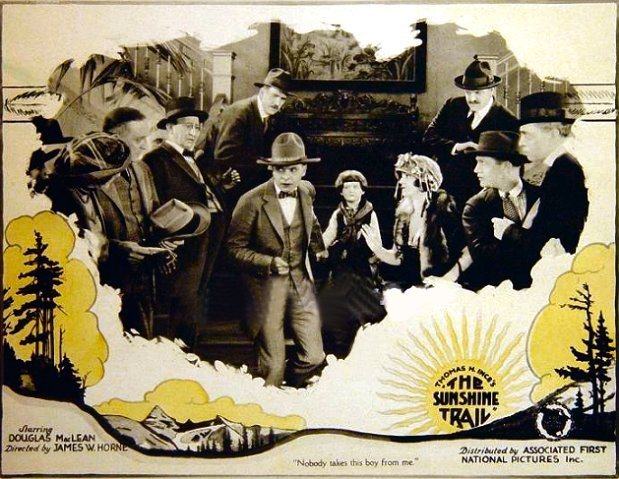
Under the meticulous guidance of James W. Horne, The Sunshine Trail became the cultural zeitgeist captured so perfectly by James W. Horne in 1923. Driven by an uncompromising commitment to Western excellence, it remains a vital reference point for anyone studying the evolution of James W. Horne.
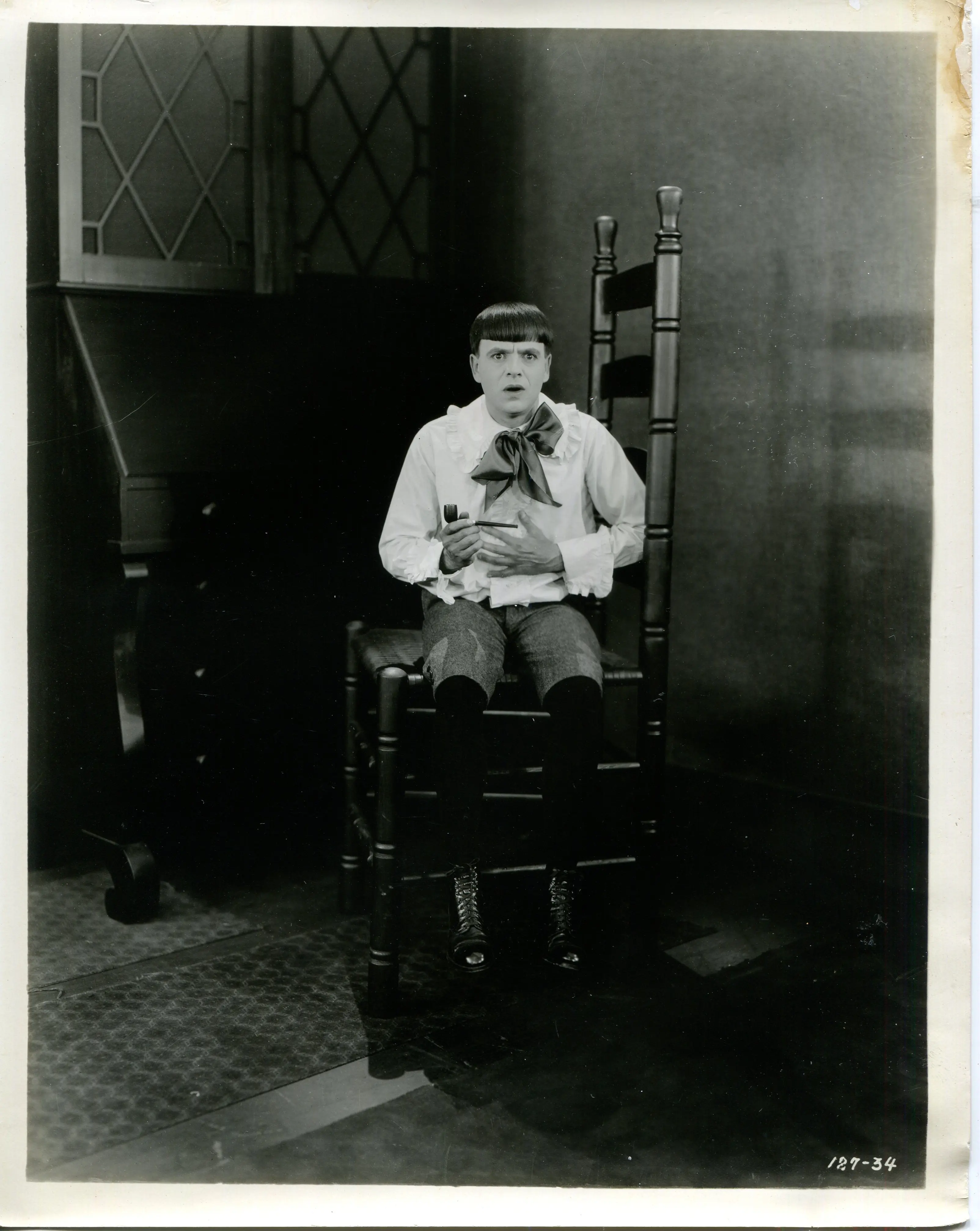
In The Sunshine Trail, James W. Horne pushes the boundaries of conventional narrative. The film's unique approach to its subject matter has sparked endless debates and interpretations among cinephiles and critics alike.
| Cinematography | High-Contrast |
| Soundtrack | Synth-Heavy |
| Editing | Rhythmic |
| Art Direction | Naturalist |
Visualizing the convergence of James W. Horne's style and the core Western narrative.
War veteran James Henry "Jimmy" MacTavish returns to his hometown in the West to see his childhood sweetheart, June Carpenter. Despite his penchant for doing good deeds, Jimmy soon finds himself robbed of his clothes and money, and accused of kidnapping a child. Because the townspeople believe he was killed in the war, Jimmy is then jailed as an impostor, while others attempt to claim his inheritance. Jimmy's identity is ultimately verified, the townspeople give him a hero's welcome, and he is reunited with June.
Decades after its release, The Sunshine Trail remains a vital piece of the cinematic puzzle. Its influence can be seen in countless modern works, solidifying James W. Horne's status as a master of the craft in United States and beyond.