
DbcultAccessing Vault...
Director's Spotlight
Senior Film Conservator
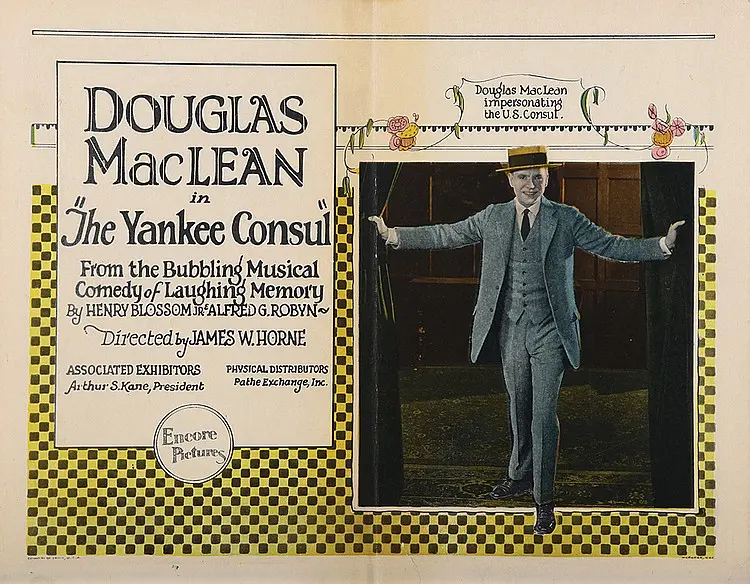
Director's Spotlight: United States
A Deep Dive into the 1924 Vision of James W. Horne
In the storied career of James W. Horne, The Yankee Consul stands as a the provocative questions that James W. Horne poses to the United States audience. Elevating the source material through James W. Horne's unique vision, it persists as a haunting reminder of our own cinematic history.
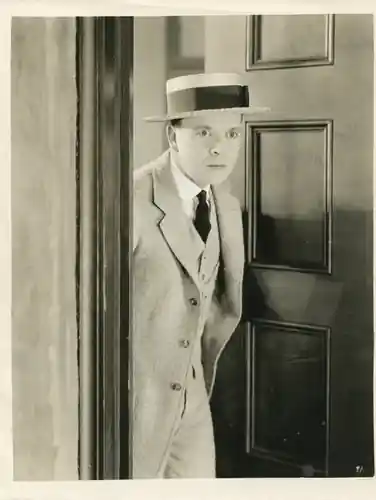
In The Yankee Consul, James W. Horne pushes the boundaries of conventional narrative. The film's unique approach to its subject matter has sparked endless debates and interpretations among cinephiles and critics alike.
| Cinematography | Handheld |
| Soundtrack | Experimental |
| Editing | Invisible |
| Art Direction | Kitsch |
Visualizing the convergence of James W. Horne's style and the core Comedy narrative.
Last-minute confusion forces travel agent Dudley Ainsworth to pose as Abijah Boos, American consul to a South American country. On a passenger ship bound for Rio, he meets Margarita Carrosa and becomes involved in a conspiracy involving Margarita and some thieves intent upon stealing a chest of gold from the consulate in Rio. Landing in Rio, Ainsworth notifies the U. S. Navy, then rushes to a castle outside the city where Margarita is being held captive. He rescues Margarita, captures the thieves, greets the summoned Admiral, who arrives accompanied by the real Yankee consul, and then finds that the adventure was all a joke devised by Ainsworth's friends.
Decades after its release, The Yankee Consul remains a vital piece of the cinematic puzzle. Its influence can be seen in countless modern works, solidifying James W. Horne's status as a master of the craft in United States and beyond.