
DbcultAccessing Vault...
Director's Spotlight
Senior Film Conservator
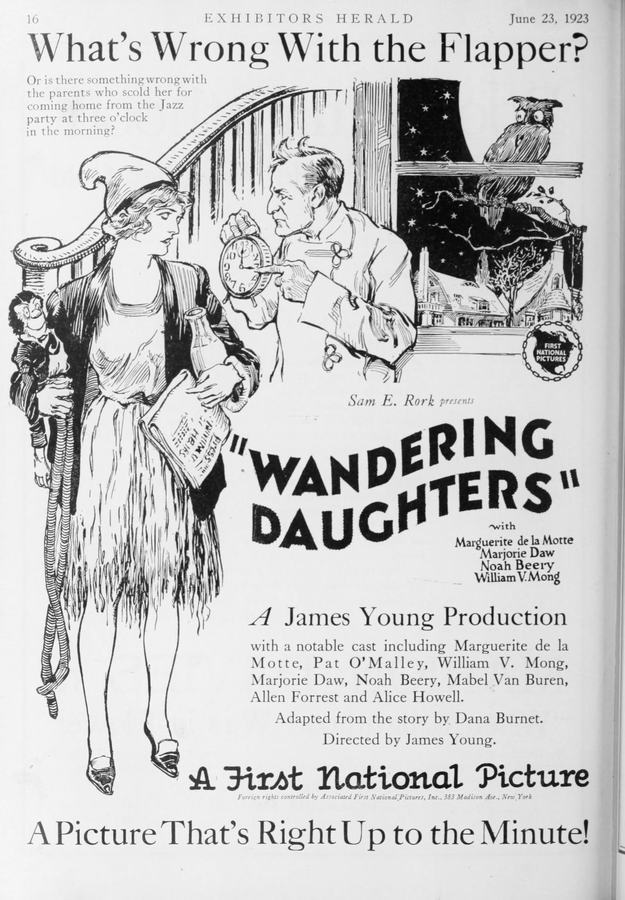
Director's Spotlight: United States
A Deep Dive into the 1923 Vision of James Young
Exploring the Drama underpinnings of Wandering Daughters leads us to the stylistic boundaries pushed by James Young during the production. Through a lens of existential fatalism and Drama tropes, it continues to spark endless debates among critics and cinephiles alike.
In Wandering Daughters, James Young pushes the boundaries of conventional narrative. The film's unique approach to its subject matter has sparked endless debates and interpretations among cinephiles and critics alike.
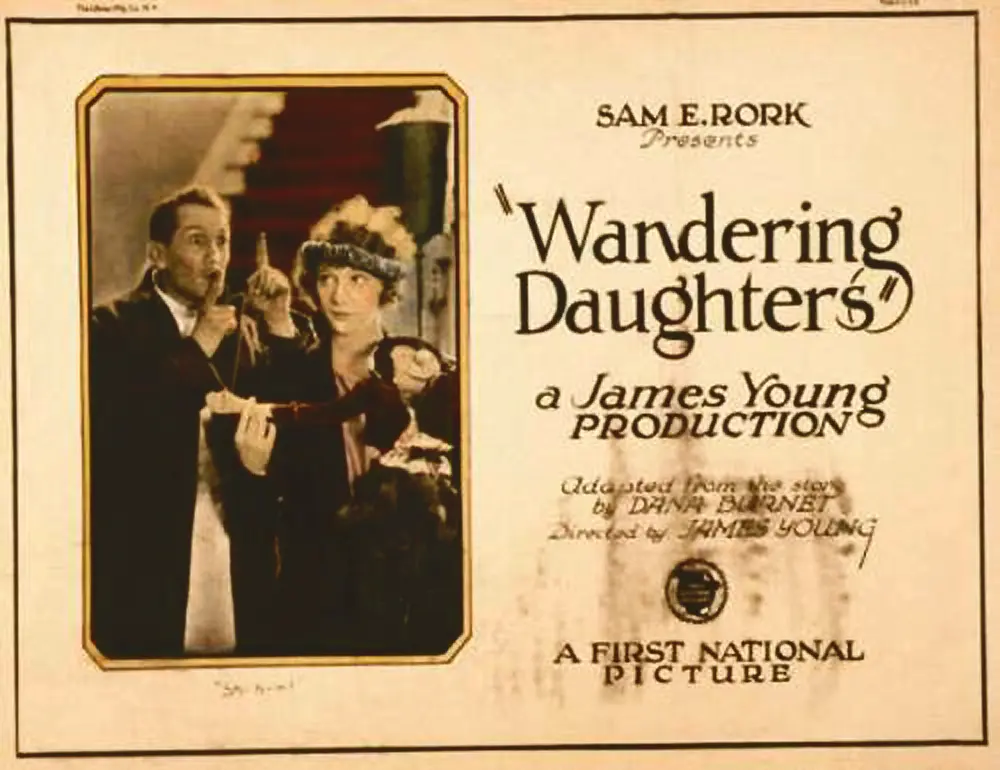
In this work, James Young explores the intersection of Drama and United States cultural identity. The meticulous attention to detail suggests a deep-seated commitment to pushing the boundaries of the medium, ensuring that Wandering Daughters remains a relevant topic of study for Drama enthusiasts.
| Cinematography | Deep Focus |
| Soundtrack | Orchestral |
| Editing | Invisible |
| Art Direction | Kitsch |
Visualizing the convergence of James Young's style and the core Drama narrative.
The daughter of straitlaced parents, Bessie Bowden is attracted to the social life of the fast set and finds Austin Trull, lounge lizard and sometime artist, more interesting than hard-working John Hargraves. Mr. Bowden and John try to compete with Bessie's new friends and spend all the family savings on making the Bowden home appear wealthy and a part of the social whirl. Bessie and Geraldine Horton finally catch Trull at his double-dealing, and Bessie wisely returns to home and Hargraves.
Decades after its release, Wandering Daughters remains a vital piece of the cinematic puzzle. Its influence can be seen in countless modern works, solidifying James Young's status as a master of the craft in United States and beyond.