
DbcultAccessing Vault...
Director's Spotlight
Senior Film Conservator
Director's Spotlight: United States
A Deep Dive into the 1922 Vision of Jane Murfin
The artistic breakthrough represented by Brawn of the North in 1922 highlights the philosophical inquiries that Jane Murfin embeds within the narrative. Framed by the hauntingly beautiful landscapes of the production, it leaves an indelible mark on the soul of the viewer.

In Brawn of the North, Jane Murfin pushes the boundaries of conventional narrative. The film's unique approach to its subject matter has sparked endless debates and interpretations among cinephiles and critics alike.
| Cinematography | Deep Focus |
| Soundtrack | Orchestral |
| Editing | Invisible |
| Art Direction | Kitsch |
Visualizing the convergence of Jane Murfin's style and the core Family narrative.
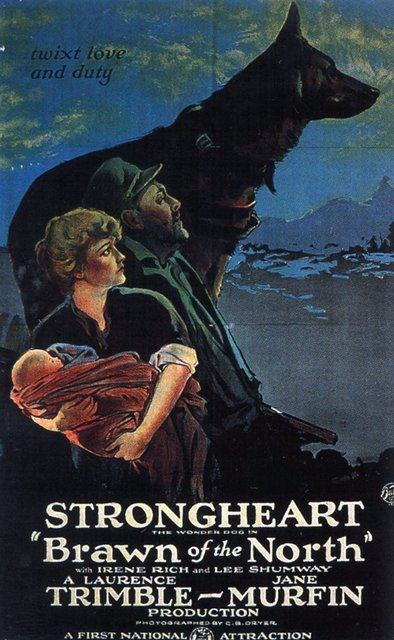
Marion Wells travels to Alaska with her dog Brawn to visit her brother Lester and her fiance Howard Burton. Unfortunately, the two men get into a fight and Burton kills Lester. Brawn saves Marion by dragging her through a violent storm to the cabin of Peter Coe. Coe forces her to marry him but at the first opportunity Marion escapes him, but soon finds herself having to sell Brawn in order to support herself. Meanwhile, Peter--ashamed of what he did to Marion--finds Brawn being mistreated by his new owner, rescues the animal and sets out to return him to Marion. He eventually finds her, but things don't work out quite as well as they had both hoped.
Decades after its release, Brawn of the North remains a vital piece of the cinematic puzzle. Its influence can be seen in countless modern works, solidifying Jane Murfin's status as a master of the craft in United States and beyond.