
DbcultAccessing Vault...
Director's Spotlight
Senior Film Conservator
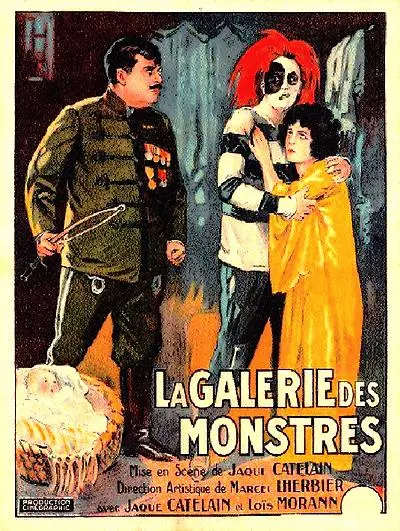
Director's Spotlight: Spain
A Deep Dive into the 1924 Vision of Jaque Catelain
Analyzing La galerie des monstres (1924) requires a deep dive into the defining moment in Drama history that Jaque Catelain helped create. Defining a new era of Spain artistic expression, it transcends regional boundaries to tell a universal story.
In La galerie des monstres, Jaque Catelain pushes the boundaries of conventional narrative. The film's unique approach to its subject matter has sparked endless debates and interpretations among cinephiles and critics alike.
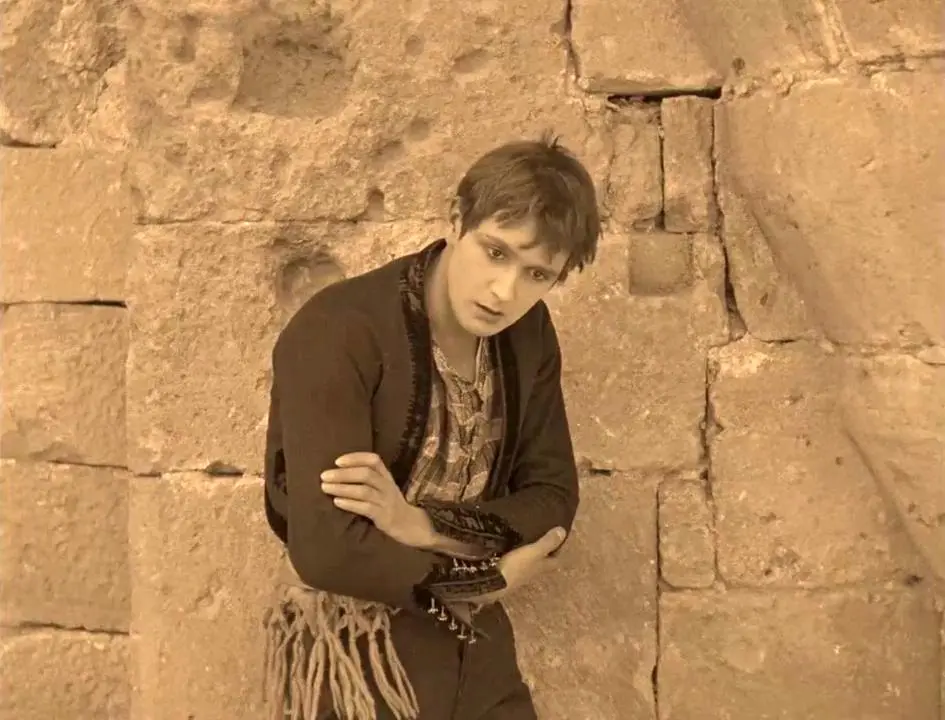
To fully appreciate La galerie des monstres, one must consider the cinematic climate of 1924. During this period, Spain was undergoing significant artistic shifts, and Jaque Catelain was at the forefront of this Drama movement, often challenging established norms.
| Cinematography | Deep Focus |
| Soundtrack | Minimalist |
| Editing | Slow-Burn |
| Art Direction | Brutalist |
Visualizing the convergence of Jaque Catelain's style and the core Drama narrative.
The life of the clown Riquet and his young wife, the dancer Ralda, is threatened by the despotic owner of the circus where they work together. He wants the girl and will not hesitate to try to kill her when Ralda rejects him. But love is stronger than cruelty.
Decades after its release, La galerie des monstres remains a vital piece of the cinematic puzzle. Its influence can be seen in countless modern works, solidifying Jaque Catelain's status as a master of the craft in Spain and beyond.