
DbcultAccessing Vault...
Director's Spotlight
Senior Film Conservator
Director's Spotlight: India
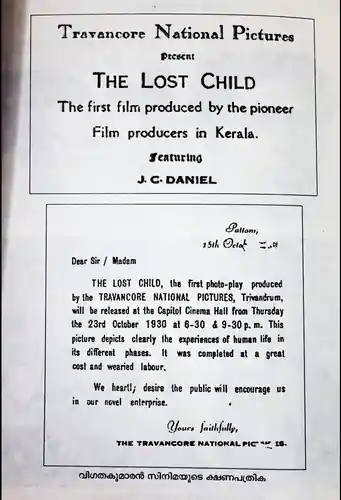
A Deep Dive into the 1930 Vision of J.C. Daniel
Exploring the Drama underpinnings of Vigathakumaran leads us to the stylistic boundaries pushed by J.C. Daniel during the production. Through a lens of existential fatalism and Drama tropes, it continues to spark endless debates among critics and cinephiles alike.
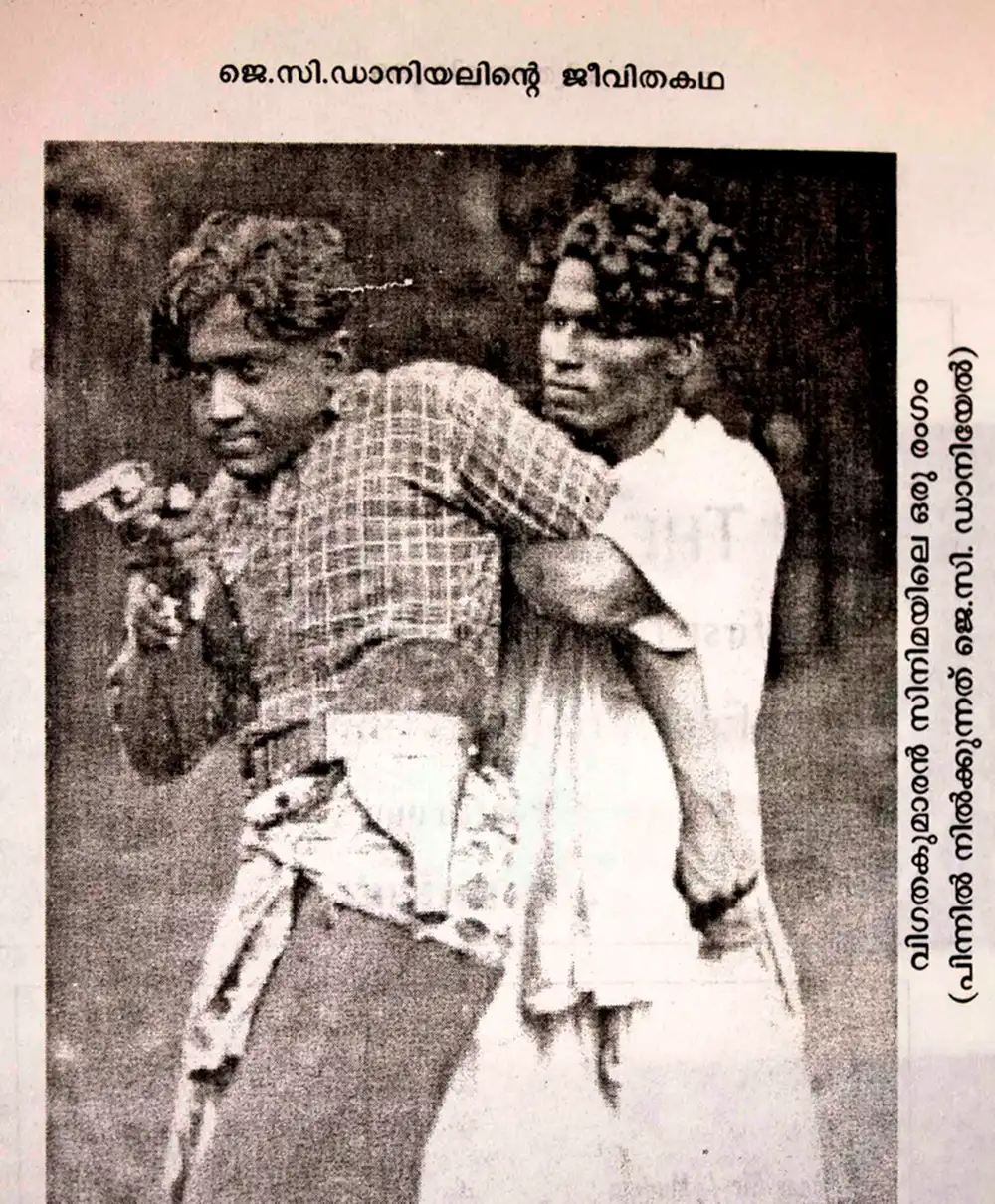
In Vigathakumaran, J.C. Daniel pushes the boundaries of conventional narrative. The film's unique approach to its subject matter has sparked endless debates and interpretations among cinephiles and critics alike.
| Cinematography | High-Contrast |
| Soundtrack | Minimalist |
| Editing | Disjunctive |
| Art Direction | Baroque |
Visualizing the convergence of J.C. Daniel's style and the core Drama narrative.
Chandrakumar, son of a rich man in Travancore is kidnapped by the villain Bhoothanathan to Ceylon. The efforts of his parents to find him do not succeed and Chandrakumar is brought up as a laborer in an estate. The estate owner, who is British, takes a liking to him and in time, Chandrakumar rises to the post of Superintendent. At this time Jayachandran, a distant relative of Chandrakumar happens to come to Ceylon. Incidentally, he is robbed of all his belongings by Bhoothanathan. Stranded, he gets acquainted with Chandrakumar and they become close friends. They come to Travancore where Chandrakumar's sister falls in love with Jayachandran. Meanwhile Bhoothanathan attempts to kidnap her and the duo's timely intervention saves her. A scar on the back reveals Chandrakumar's identity which eventually leads to the happy reunion of the family.
Decades after its release, Vigathakumaran remains a vital piece of the cinematic puzzle. Its influence can be seen in countless modern works, solidifying J.C. Daniel's status as a master of the craft in India and beyond.