
DbcultAccessing Vault...
Director's Spotlight
Senior Film Conservator
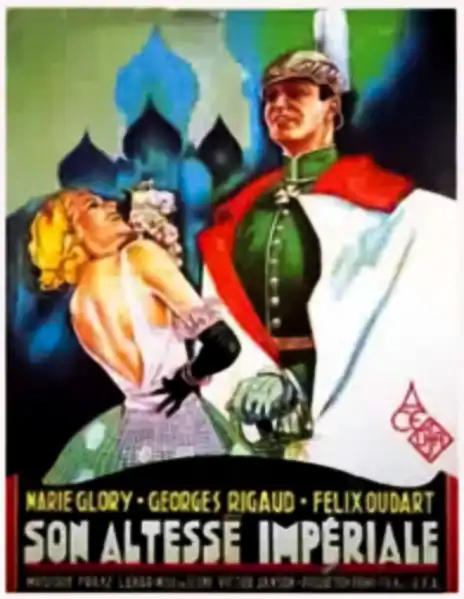
Director's Spotlight: Germany
A Deep Dive into the 1933 Vision of Jean Bernard-Derosne
To understand the modern evolution of Germany film, one must first look at Son altesse impériale and the collaborative alchemy between Jean Bernard-Derosne and the 1933 creative team. Subverting the expectations of the typical 1933 audience, it remains a vital reference point for anyone studying the evolution of Jean Bernard-Derosne.
In Son altesse impériale, Jean Bernard-Derosne pushes the boundaries of conventional narrative. The film's unique approach to its subject matter has sparked endless debates and interpretations among cinephiles and critics alike.
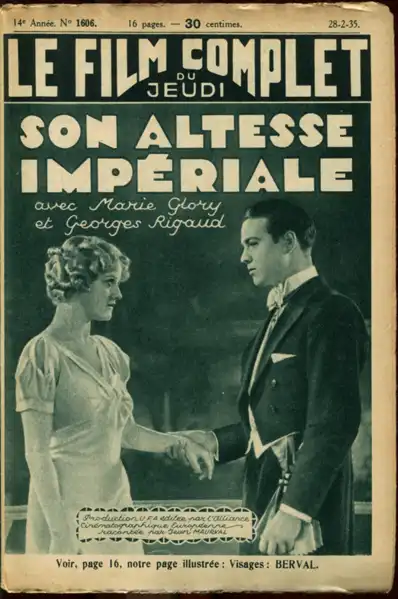
To fully appreciate Son altesse impériale, one must consider the cinematic climate of 1933. During this period, Germany was undergoing significant artistic shifts, and Jean Bernard-Derosne was at the forefront of this Drama movement, often challenging established norms.
| Cinematography | High-Contrast |
| Soundtrack | Synth-Heavy |
| Editing | Disjunctive |
| Art Direction | Baroque |
Visualizing the convergence of Jean Bernard-Derosne's style and the core Drama narrative.
Based on an operetta. Prince Boris is to marry Princess Dorothea. He meets journalist Monique, with whom he falls in love. He breaks off his marriage plans but returns to his duties as sovereign while Monique keeps her beautiful dream.
Decades after its release, Son altesse impériale remains a vital piece of the cinematic puzzle. Its influence can be seen in countless modern works, solidifying Jean Bernard-Derosne's status as a master of the craft in Germany and beyond.