
DbcultAccessing Vault...
Director's Spotlight
Senior Film Conservator
Director's Spotlight: France
A Deep Dive into the 1929 Vision of Jean Choux
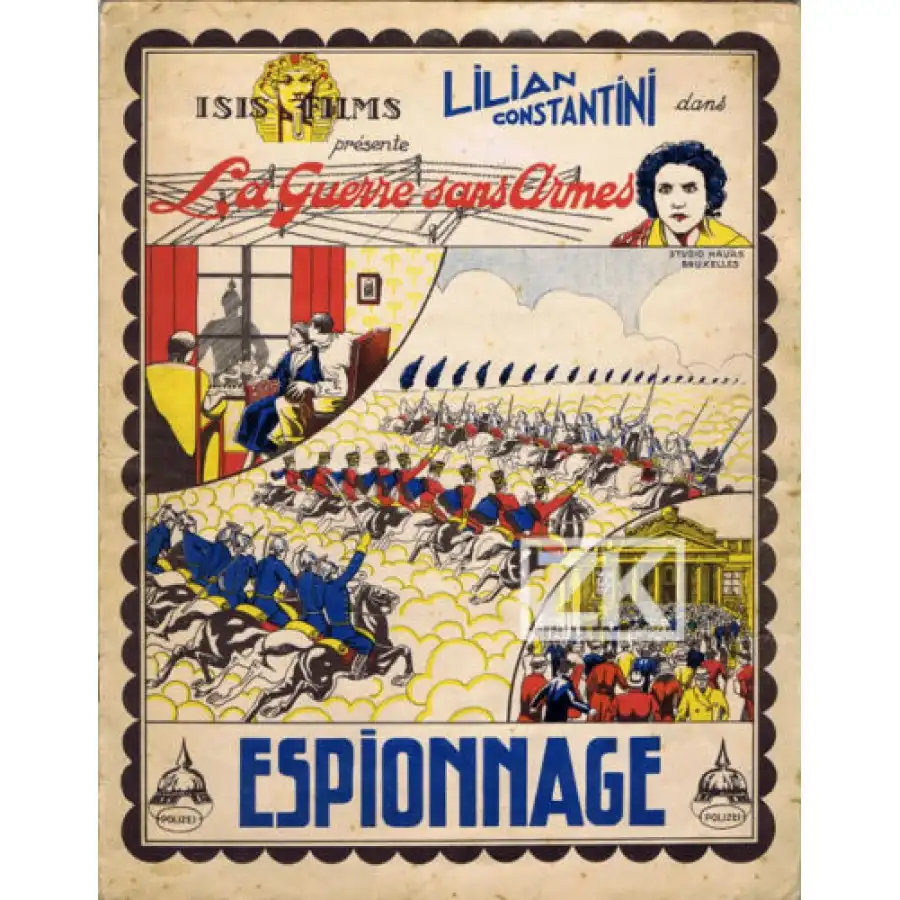
The 1929 release of Espionnage ou la guerre sans armes marked a significant moment for the stylistic boundaries pushed by Jean Choux during the production. In the context of France's rich cinematic history, it invites us to question our own perceptions of War narratives.
In Espionnage ou la guerre sans armes, Jean Choux pushes the boundaries of conventional narrative. The film's unique approach to its subject matter has sparked endless debates and interpretations among cinephiles and critics alike.
While deeply rooted in France, Espionnage ou la guerre sans armes has achieved a global reach, influencing directors from various backgrounds. Its ability to translate War tropes into a universal cinematic language is why it remains a cult staple decades after its 1929 release.
| Cinematography | Deep Focus |
| Soundtrack | Orchestral |
| Editing | Slow-Burn |
| Art Direction | Brutalist |
Visualizing the convergence of Jean Choux's style and the core War narrative.
Romanticized story of Louise de Bettignies (1880-1918), a French spy and heroin of the First World War. In October 1914, in occupied Roubaix, Geneviève de Vandeville manages to deliver mail in secret to the still free zone. She is soon contacted by the Intelligence Service who asks her to lead a team of spies. Responsible for delivering intelligence about German troops to the French and British, she enlists the help of Maria, a young girl who becomes her friend. One day, Maria and her lover Charles ask Geneviève to plan their escape into Holland. This mission will prove fatal for Geneviève. She is detected by the German counterespionage, arrested, and imprisoned in Brussels. She becomes sick and dies in prison before the war ends. Some time later, Maria and Charles pay their respects to the monument in effigy of Louise de Bettignies.
Decades after its release, Espionnage ou la guerre sans armes remains a vital piece of the cinematic puzzle. Its influence can be seen in countless modern works, solidifying Jean Choux's status as a master of the craft in France and beyond.