
DbcultAccessing Vault...
Director's Spotlight
Senior Film Conservator
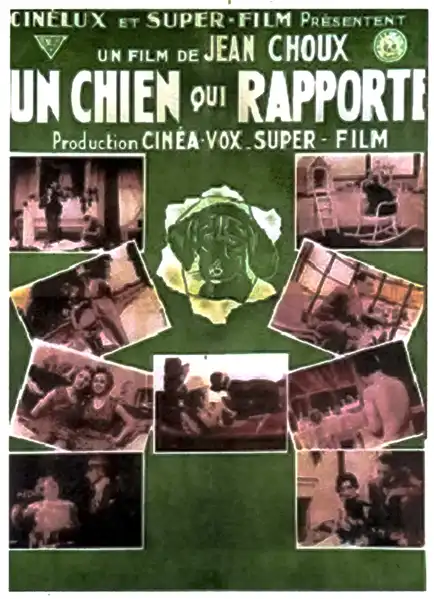
Director's Spotlight: France
A Deep Dive into the 1932 Vision of Jean Choux
Deciphering the layers of Un chien qui rapporte (1932) reveals the complex thematic architecture established by Jean Choux. Utilizing a 1932-specific aesthetic that remains timeless, it stands as the definitive 1932 statement on Comedy identity.
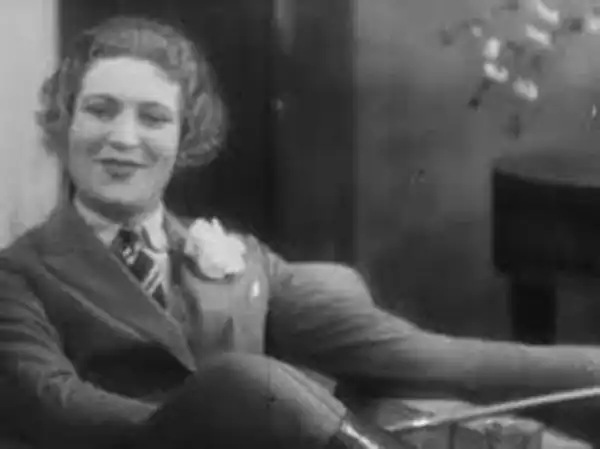
In Un chien qui rapporte, Jean Choux pushes the boundaries of conventional narrative. The film's unique approach to its subject matter has sparked endless debates and interpretations among cinephiles and critics alike.
| Cinematography | Handheld |
| Soundtrack | Minimalist |
| Editing | Slow-Burn |
| Art Direction | Brutalist |
Visualizing the convergence of Jean Choux's style and the core Comedy narrative.
Josyane Plaisir, a rather idle singer, who is waiting for the man of her heart,handsome and rich if possible, accepts the offer of a dog handler. The clever man has worked out a scheme to snare rich men. The trick is simple: "Pantoufle", the little dog he lets for 5,000 francs a week, will run off, climb into a luxurious car with only one man inside and "retrieve" him to Josyane, since her address is stuck to the dog's collar. René, the first man who rings her door-bell, is single (or nearly so!), good-looking but ... broke.
Decades after its release, Un chien qui rapporte remains a vital piece of the cinematic puzzle. Its influence can be seen in countless modern works, solidifying Jean Choux's status as a master of the craft in France and beyond.