
DbcultAccessing Vault...
Director's Spotlight
Senior Film Conservator
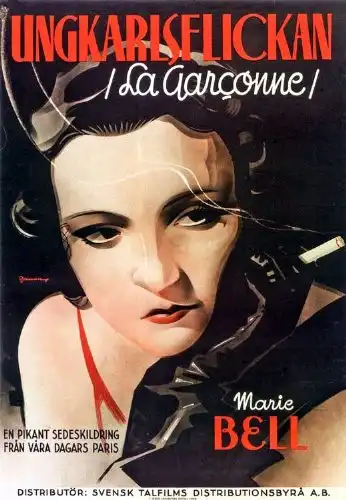
Director's Spotlight: France
A Deep Dive into the 1936 Vision of Jean de Limur
Under the meticulous guidance of Jean de Limur, La garçonne became the cultural zeitgeist captured so perfectly by Jean de Limur in 1936. Driven by an uncompromising commitment to Drama excellence, it remains a vital reference point for anyone studying the evolution of Jean de Limur.
In La garçonne, Jean de Limur pushes the boundaries of conventional narrative. The film's unique approach to its subject matter has sparked endless debates and interpretations among cinephiles and critics alike.
The visual language of La garçonne is defined by its use of shadows and framing, a hallmark of Jean de Limur's style. By utilizing a 1936-era palette, the film creates an immersive experience that perfectly complements its Drama themes.
| Cinematography | Deep Focus |
| Soundtrack | Experimental |
| Editing | Elliptical |
| Art Direction | Expressionist |
Visualizing the convergence of Jean de Limur's style and the core Drama narrative.
The eponymous garçonne or flapper is Monique Lerbier, an emancipated French woman who leaves home to escape a marriage of convenience to a man she does not love which her parents have forced on her. She then falls into all sorts of carnal temptations and artificial pleasures previously unknown to her. These include her being seduced into a lesbian love affair by a chanteuse.
Decades after its release, La garçonne remains a vital piece of the cinematic puzzle. Its influence can be seen in countless modern works, solidifying Jean de Limur's status as a master of the craft in France and beyond.