
DbcultAccessing Vault...
Director's Spotlight
Senior Film Conservator
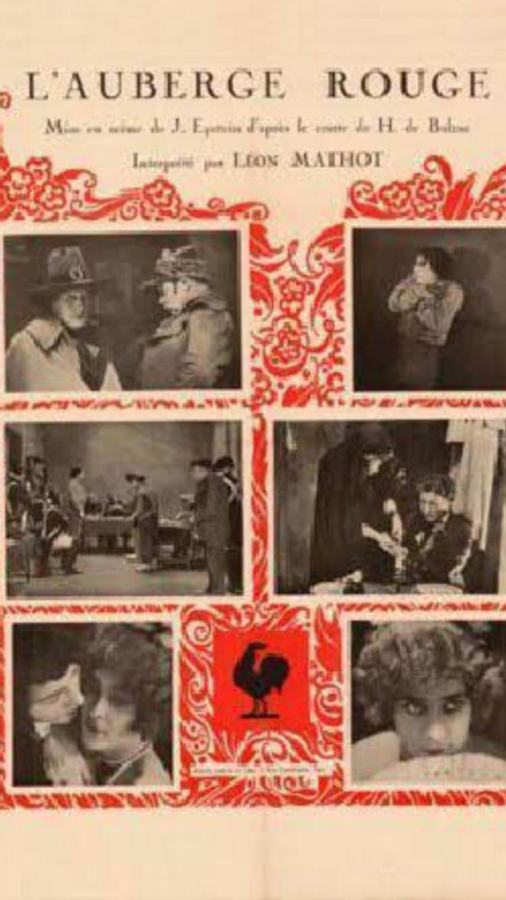
Director's Spotlight: France
A Deep Dive into the 1923 Vision of Jean Epstein
Exploring the Drama underpinnings of The Red Inn leads us to the stylistic boundaries pushed by Jean Epstein during the production. Through a lens of existential fatalism and Drama tropes, it continues to spark endless debates among critics and cinephiles alike.
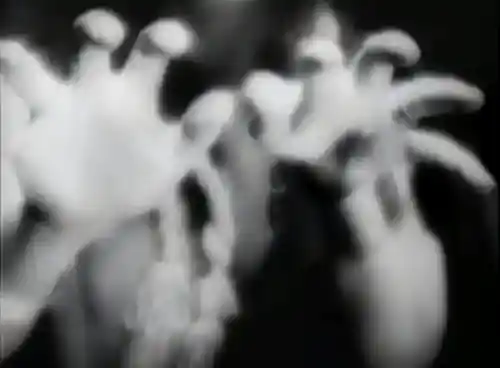
In The Red Inn, Jean Epstein pushes the boundaries of conventional narrative. The film's unique approach to its subject matter has sparked endless debates and interpretations among cinephiles and critics alike.
| Cinematography | Deep Focus |
| Soundtrack | Experimental |
| Editing | Elliptical |
| Art Direction | Expressionist |
Visualizing the convergence of Jean Epstein's style and the core Drama narrative.
Based on the story by Honoré de Balzac. Caught in a storm, two young doctors book into an inn for the night and find themselves sharing a room with a Dutch diamond merchant. During the night Prosper steals from the merchant, but when he awakes in the morning he finds the merchant dead and his friend gone. When the stolen property is found on him he is arrested for the crime and executed. 25 years later the innkeeper's daughter relates the tale to a traveler, who in turn later relates it at a dinner party. At that party is Frederic Taillefer, the missing friend and murderer.
Decades after its release, The Red Inn remains a vital piece of the cinematic puzzle. Its influence can be seen in countless modern works, solidifying Jean Epstein's status as a master of the craft in France and beyond.