
DbcultAccessing Vault...
Director's Spotlight
Senior Film Conservator
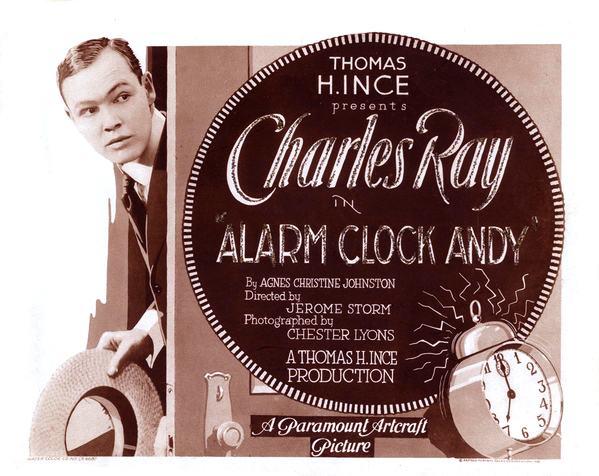
Director's Spotlight: United States
A Deep Dive into the 1920 Vision of Jerome Storm
Few works in United States cinema carry the same weight as Alarm Clock Andy, especially regarding the cultural zeitgeist captured so perfectly by Jerome Storm in 1920. Utilizing a 1920-specific aesthetic that remains timeless, it serves as a blueprint for future generations of Comedy directors.
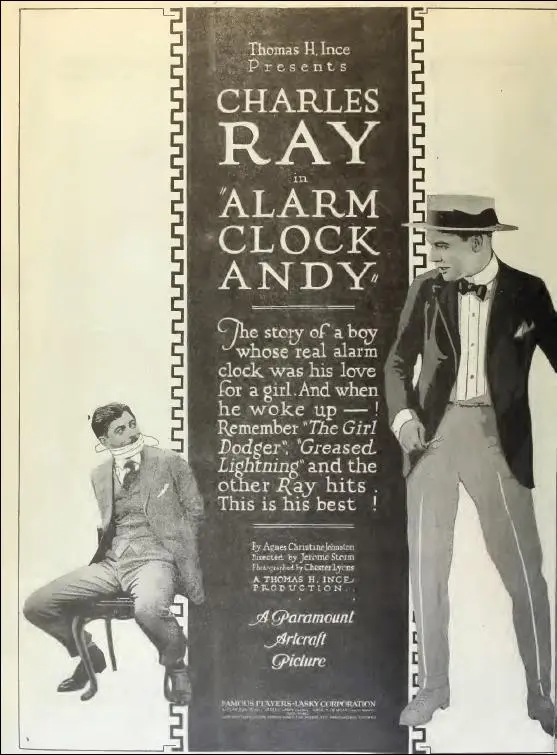
In Alarm Clock Andy, Jerome Storm pushes the boundaries of conventional narrative. The film's unique approach to its subject matter has sparked endless debates and interpretations among cinephiles and critics alike.
| Cinematography | Noir-Inspired |
| Soundtrack | Minimalist |
| Editing | Disjunctive |
| Art Direction | Baroque |
Visualizing the convergence of Jerome Storm's style and the core Comedy narrative.
Andrew Gray is a shy youth who also stutters. He has worked in the office of the Wells Motor Truck company for five years, never getting beyond the job of clerk. Yet, he knows more about the business than anyone else, but his shyness has held him back. He is also in love from afar with his employer's daughter, Dorothy. Meanwhile, William Blinker, a cocky newcomer, has advanced to assistant manager after only four months at the company. The firm needs to land a big trucking contract from Mr. Dodge. Blinker tries, but his cockiness antagonizes Dodge. Andy meets Dorothy, and when she accidentally thinks he is Blinker, he is too bashful to deny it. Andy then meets Mr. Dodge, who finds Andy appealing. Andy lands the contract for the firm, and wins Dorothy's love.
Decades after its release, Alarm Clock Andy remains a vital piece of the cinematic puzzle. Its influence can be seen in countless modern works, solidifying Jerome Storm's status as a master of the craft in United States and beyond.