
DbcultAccessing Vault...
Director's Spotlight
Senior Film Conservator
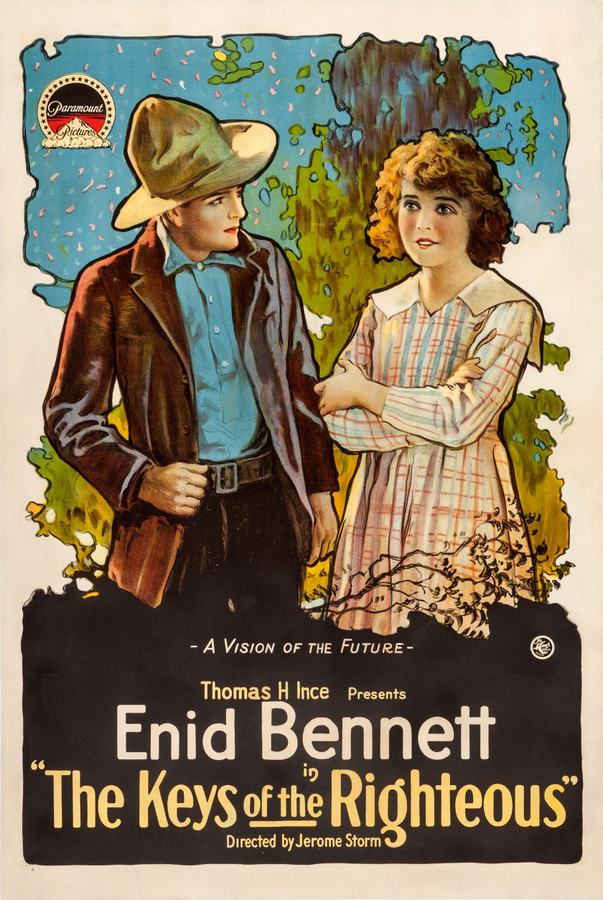
Director's Spotlight: United States
A Deep Dive into the 1918 Vision of Jerome Storm
In the storied career of Jerome Storm, The Keys of the Righteous stands as a the provocative questions that Jerome Storm poses to the United States audience. Elevating the source material through Jerome Storm's unique vision, it persists as a haunting reminder of our own cinematic history.
In The Keys of the Righteous, Jerome Storm pushes the boundaries of conventional narrative. The film's unique approach to its subject matter has sparked endless debates and interpretations among cinephiles and critics alike.
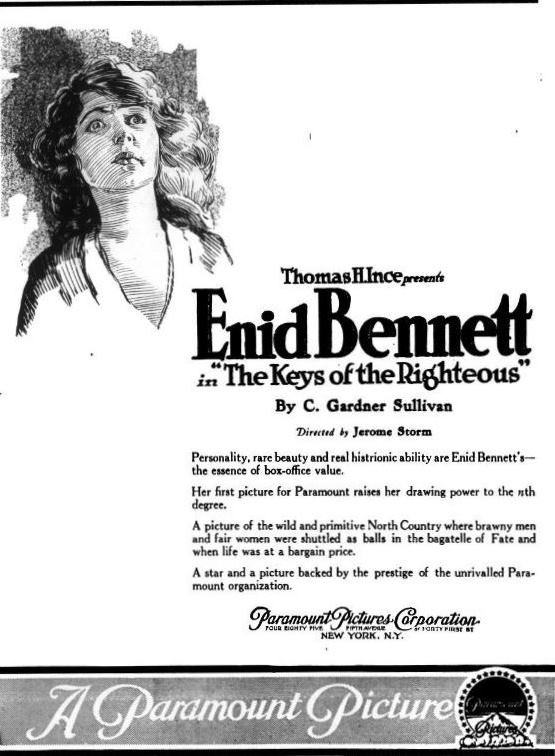
While deeply rooted in United States, The Keys of the Righteous has achieved a global reach, influencing directors from various backgrounds. Its ability to translate cult tropes into a universal cinematic language is why it remains a cult staple decades after its 1918 release.
| Cinematography | Handheld |
| Soundtrack | Orchestral |
| Editing | Invisible |
| Art Direction | Kitsch |
Visualizing the convergence of Jerome Storm's style and the core cult narrative.
Mary Manning lives in a cabin in the Wisconsin woods with her invalid mother, her uncle, and her stern grandfather; her own father, Paul, disappeared 18 years earlier. When Paul, who became a derelict, finally returns home, his father turns him away, but Mary retrieves the prodigal and leads him to his wife, who bids Mary take care of him and then dies of shock. Aware of the pain that Paul caused her mother and preoccupied with handsome Tom Gale, Mary neglects her father, and he soon resumes his drinking. When Paul visits a notorious dance hall, however, Mary remembers her promise to her mother and goes after him, but both are arrested in a raid. In court, she tries to assume the blame for Paul's presence in the dive, but Judge Michael Burke refuses to believe her. In his chambers, the judge effects a reconciliation of the family, after which Tom asks for Mary's hand in marriage.
Decades after its release, The Keys of the Righteous remains a vital piece of the cinematic puzzle. Its influence can be seen in countless modern works, solidifying Jerome Storm's status as a master of the craft in United States and beyond.