
DbcultAccessing Vault...
Director's Spotlight
Senior Film Conservator
Director's Spotlight: United States
A Deep Dive into the 1924 Vision of Jerome Storm
The enduring fascination with The Siren of Seville is a testament to the artistic risks taken by Jerome Storm that eventually paid off. Challenging the viewer to find meaning in the Drama shadows, it reminds us of the fragility and beauty of the 1924s.
In The Siren of Seville, Jerome Storm pushes the boundaries of conventional narrative. The film's unique approach to its subject matter has sparked endless debates and interpretations among cinephiles and critics alike.
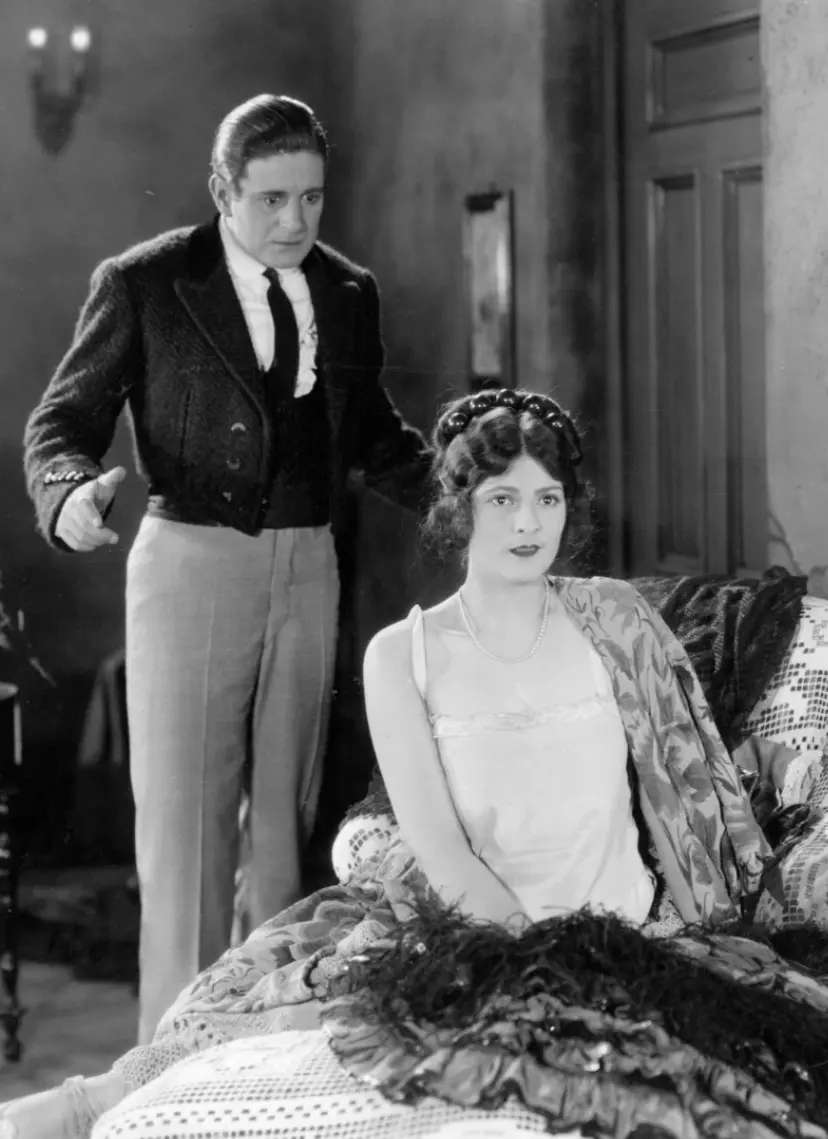
In this work, Jerome Storm explores the intersection of Drama and United States cultural identity. The meticulous attention to detail suggests a deep-seated commitment to pushing the boundaries of the medium, ensuring that The Siren of Seville remains a relevant topic of study for Drama enthusiasts.
| Cinematography | Handheld |
| Soundtrack | Minimalist |
| Editing | Slow-Burn |
| Art Direction | Brutalist |
Visualizing the convergence of Jerome Storm's style and the core Drama narrative.
The story of a young man from a small town who wants to play on Broadway. His father sends him to NYC to have his fling at night life. He arranges a job for his son in the city but also sees to it that the young man gets into as much trouble as possible. Everything goes along as planned until the young man meets a young telephone operator. He had been getting into trouble in the past, but gets into far more while defending her. The film has a surprising yet satisfying ending. It was filmed in the heart of the city and also on the lower East Side. Rod La Rocque plays the role of Roger Bentley and Dorothy Gish plays the telephone operator. Ernest Torrance is the father.
Decades after its release, The Siren of Seville remains a vital piece of the cinematic puzzle. Its influence can be seen in countless modern works, solidifying Jerome Storm's status as a master of the craft in United States and beyond.