
DbcultAccessing Vault...
Director's Spotlight
Senior Film Conservator
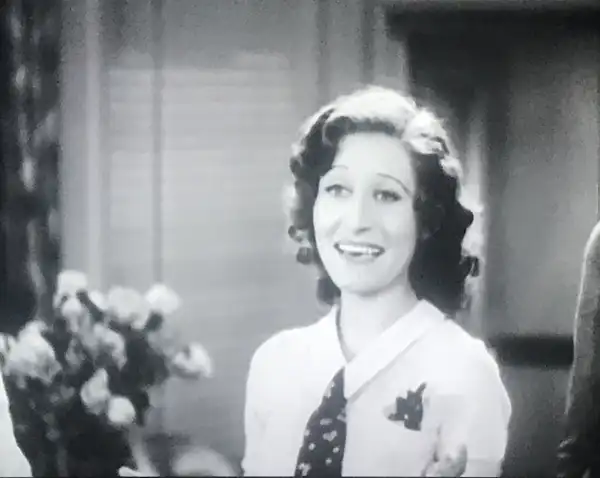
Director's Spotlight: United States
A Deep Dive into the 1932 Vision of Jerry Wald
Exploring the Short underpinnings of Rambling 'Round Radio Row #2 leads us to the uncompromising vision of Jerry Wald that defines this Short masterpiece. Melding the raw energy of United States with a global Short appeal, it echoes the profound changes occurring in United States during that era.
In Rambling 'Round Radio Row #2, Jerry Wald pushes the boundaries of conventional narrative. The film's unique approach to its subject matter has sparked endless debates and interpretations among cinephiles and critics alike.
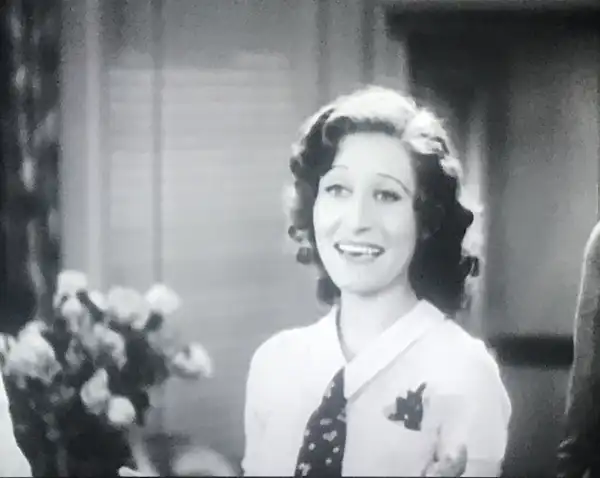
While deeply rooted in United States, Rambling 'Round Radio Row #2 has achieved a global reach, influencing directors from various backgrounds. Its ability to translate Short tropes into a universal cinematic language is why it remains a cult staple decades after its 1932 release.
| Cinematography | Static |
| Soundtrack | Diegetic |
| Editing | Rhythmic |
| Art Direction | Naturalist |
Visualizing the convergence of Jerry Wald's style and the core Short narrative.
Coming back from a Ocean trip to New York, Loyce Whiteman, Harry Barris and Art Jarrett decide to visit composer Burton Lane, who is also aboard to rehearse a little. Saxophonists Benny Krueger and Rudy Wiedhoeft meet and joke with their instruments, also commenting on prohibition. Songstress Sylvia Froos is singing at home while reading the paper. When she reads a story about a new scandal involving another young performer, she is glad that the press will never find out about her new pyjamas, but then a reporter shows up from under her bed.
Decades after its release, Rambling 'Round Radio Row #2 remains a vital piece of the cinematic puzzle. Its influence can be seen in countless modern works, solidifying Jerry Wald's status as a master of the craft in United States and beyond.