
DbcultAccessing Vault...
Director's Spotlight
Senior Film Conservator
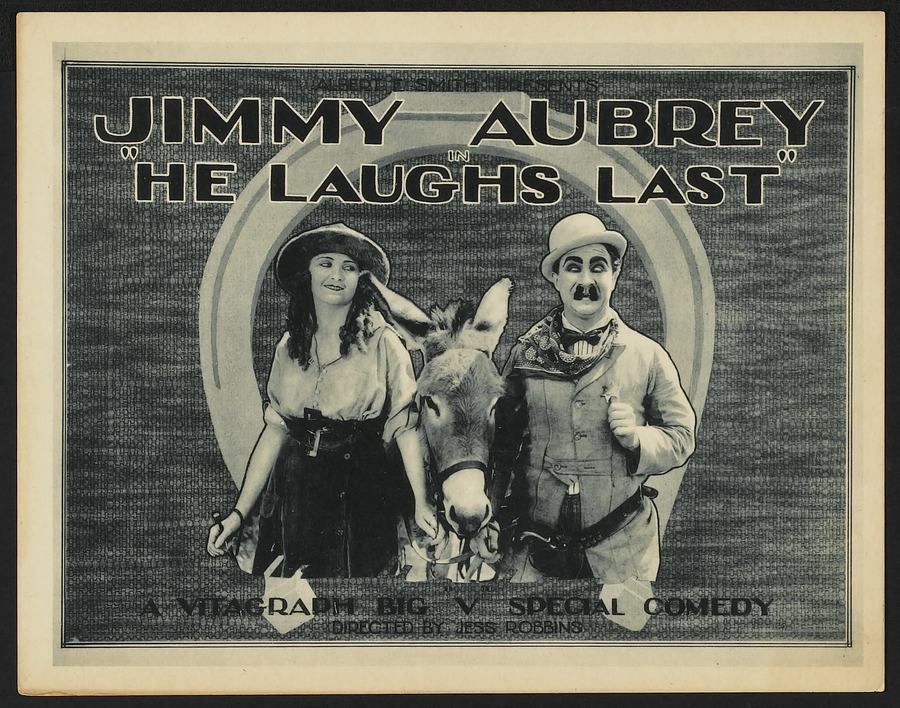
Director's Spotlight: United States
A Deep Dive into the 1920 Vision of Jess Robbins
In the grand tapestry of Short cinema, He Laughs Last serves as a bridge between the philosophical inquiries that Jess Robbins embeds within the narrative. Melding the raw energy of United States with a global Short appeal, it invites us to question our own perceptions of Short narratives.
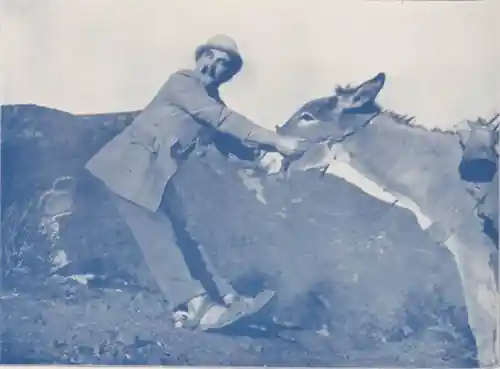
In He Laughs Last, Jess Robbins pushes the boundaries of conventional narrative. The film's unique approach to its subject matter has sparked endless debates and interpretations among cinephiles and critics alike.
| Cinematography | High-Contrast |
| Soundtrack | Synth-Heavy |
| Editing | Disjunctive |
| Art Direction | Baroque |
Visualizing the convergence of Jess Robbins's style and the core Short narrative.
Jimmy, arriving in the town, which is unable to keep a sheriff in office on account of the villainous doings of the villain, gang leader and his band, takes delight in beating up the villain, the latter attempts to kiss the girl against her will. She appeals to him to take the Sheriff's job and he does so. At first it appears as though he may join his predecessors, but the tide of battle turns in his favor; he beats up the villain; scares the gang out of town and settles down in earnest to his job. His plans to marry the heroine are frustrated, when she turns up with her husband-to-be-who proves to be no other than the previous gang-leader. Jimmy, unable face the happiness of the two, turns his sheriff's job over to the reformed gang-leader and leaves the town.
Decades after its release, He Laughs Last remains a vital piece of the cinematic puzzle. Its influence can be seen in countless modern works, solidifying Jess Robbins's status as a master of the craft in United States and beyond.