
DbcultAccessing Vault...
Director's Spotlight
Senior Film Conservator
Director's Spotlight: United States
A Deep Dive into the 1922 Vision of Jess Robbins
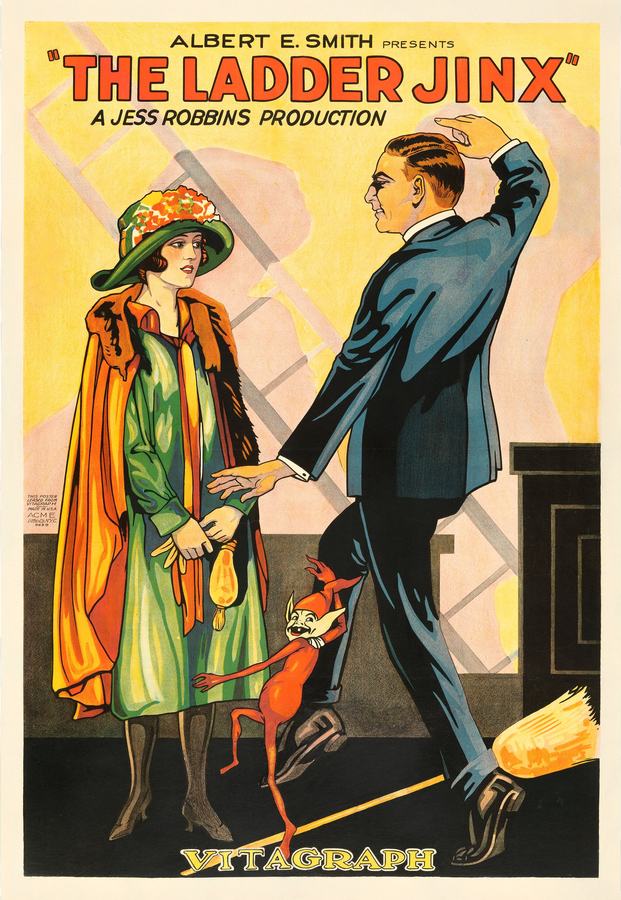
As we revisit the 1922 masterpiece The Ladder Jinx, we are struck by the meticulous attention to detail that Jess Robbins applied to every frame. Anchored by a narrative that is both personal and universal, it bridges the gap between traditional Comedy and contemporary vision.
In The Ladder Jinx, Jess Robbins pushes the boundaries of conventional narrative. The film's unique approach to its subject matter has sparked endless debates and interpretations among cinephiles and critics alike.
| Cinematography | Deep Focus |
| Soundtrack | Experimental |
| Editing | Invisible |
| Art Direction | Kitsch |
Visualizing the convergence of Jess Robbins's style and the core Comedy narrative.
Peter Stalton, retiring as a bank cashier, is anxious that his nephew Richard Twing should succeed him. The directors, however, appoint Arthur Barnes, engaged to Helen Wilbur, the president's daughter. Being highly superstitious, Helen makes Arthur promise to cross back under a ladder under which he has walked earlier in the day. In doing so, he is accused of robbing a house and is pursued by the police. Passing the bank in which he works, he sees two robbers making a getaway just as the president and Helen arrive. Arthur pursues the bandits in their car, accompanied by Helen. They are arrested and accused of robbing Stalton's house and the bank, but Arthur is cleared by Sam, the Negro janitor, who exposes Richard Twing as the culprit. Arthur is freed and is happily reunited with his fiancée.
Decades after its release, The Ladder Jinx remains a vital piece of the cinematic puzzle. Its influence can be seen in countless modern works, solidifying Jess Robbins's status as a master of the craft in United States and beyond.