
DbcultAccessing Vault...
Director's Spotlight
Senior Film Conservator
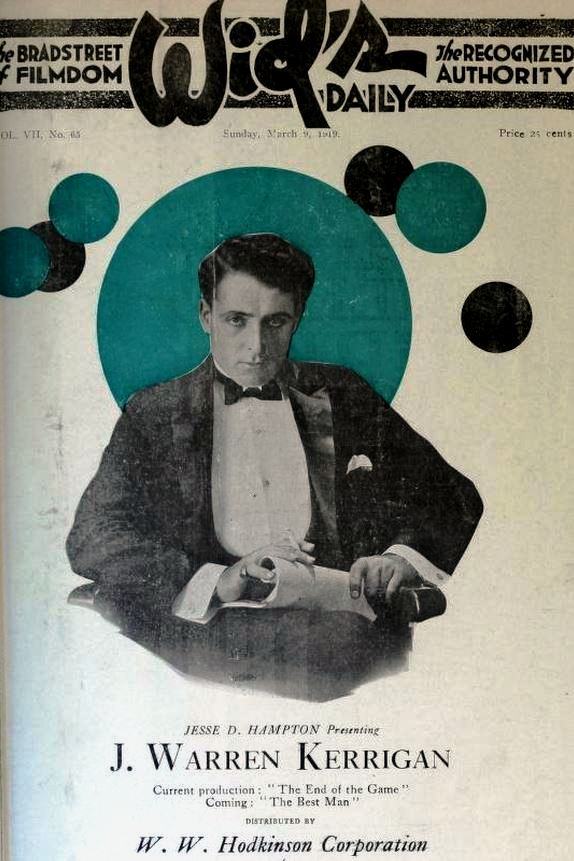
Director's Spotlight: United States
A Deep Dive into the 1919 Vision of Jesse D. Hampton
Witnessing the stylistic transformation of cult through The End of the Game reveals the global recognition that Jesse D. Hampton garnered after the release of The End of the Game. Serving as a mirror to the anxieties of a changing world, offering layers of thematic complexity that demand repeated viewing.
In The End of the Game, Jesse D. Hampton pushes the boundaries of conventional narrative. The film's unique approach to its subject matter has sparked endless debates and interpretations among cinephiles and critics alike.
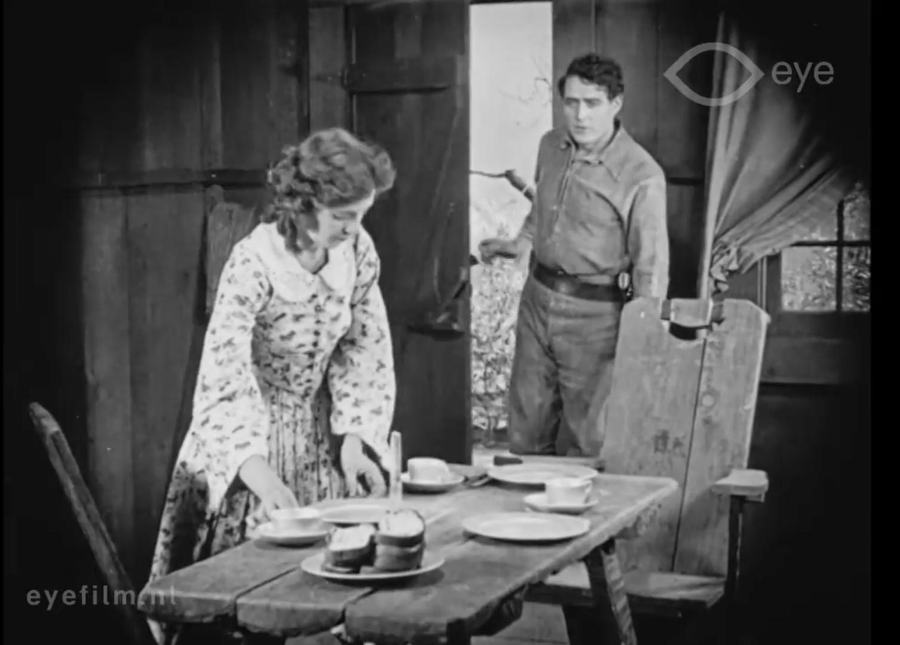
To fully appreciate The End of the Game, one must consider the cinematic climate of 1919. During this period, United States was undergoing significant artistic shifts, and Jesse D. Hampton was at the forefront of this cult movement, often challenging established norms.
| Cinematography | Static |
| Soundtrack | Diegetic |
| Editing | Elliptical |
| Art Direction | Expressionist |
Visualizing the convergence of Jesse D. Hampton's style and the core cult narrative.
Frank Miller, arriving in a California gold rush town in the days of '49, gets fleeced of all his assets in a crooked card game by a gang while his sister Mary waits in their hotel. Virginia gentleman gambler Burke Allister forces the gang to let Frank win the money back, but Frank is shot and killed by Faro Ed, whom Burke then kills. Burke and Mary leave and establish unsuccessful claims away from the town, but gang leader Dan Middleton, attracted to Mary, sends Four-Ace Baker to convince her that Burke was in on Frank's murder. Mary believes Baker, and when Burke goes to town for a doctor after Mary is injured and then he is captured by Middleton's men, Mary leaves the claim with Middleton. Burke escapes and is able to find Middleton and Mary, then fights Middleton, who falls over a cliff. Burke then wins Mary's embrace.
Decades after its release, The End of the Game remains a vital piece of the cinematic puzzle. Its influence can be seen in countless modern works, solidifying Jesse D. Hampton's status as a master of the craft in United States and beyond.