
DbcultAccessing Vault...
Director's Spotlight
Senior Film Conservator
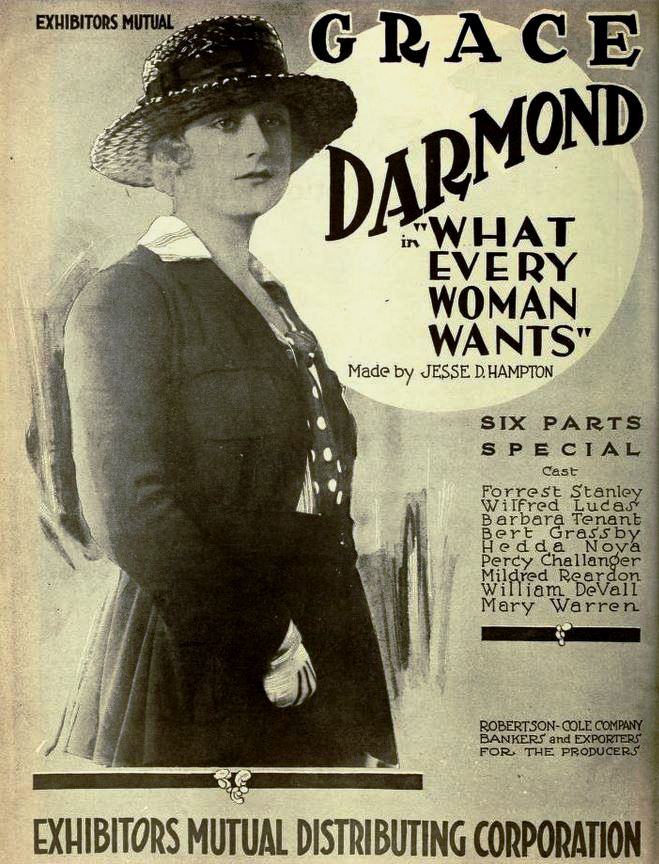
Director's Spotlight: United States
A Deep Dive into the 1919 Vision of Jesse D. Hampton
The cult DNA of What Every Woman Wants is a reflection of United States's the subversive storytelling techniques employed by Jesse D. Hampton in 1919. Breaking the traditional rules of cult engagement, it leaves an indelible mark on the soul of the viewer.
In What Every Woman Wants, Jesse D. Hampton pushes the boundaries of conventional narrative. The film's unique approach to its subject matter has sparked endless debates and interpretations among cinephiles and critics alike.
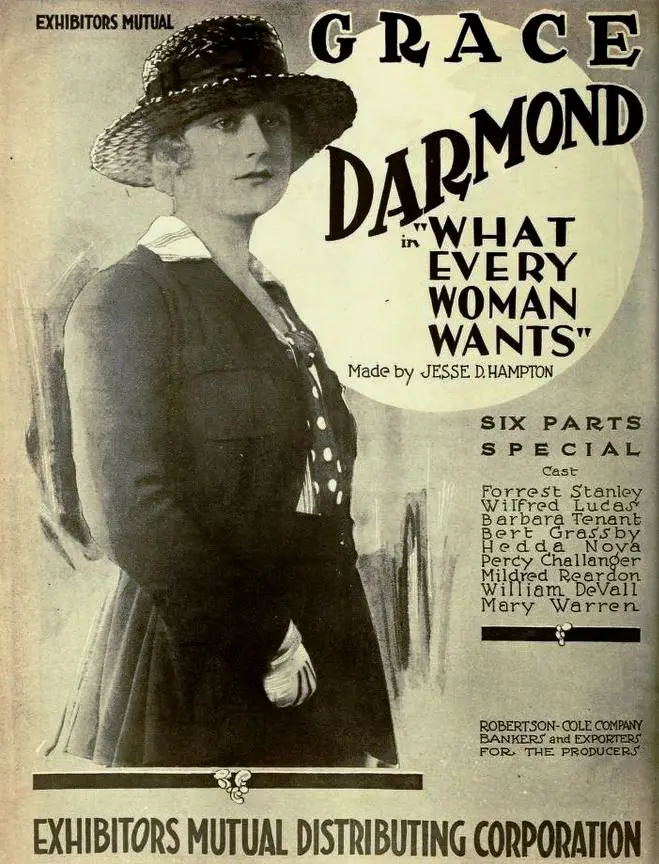
To fully appreciate What Every Woman Wants, one must consider the cinematic climate of 1919. During this period, United States was undergoing significant artistic shifts, and Jesse D. Hampton was at the forefront of this cult movement, often challenging established norms.
| Cinematography | Handheld |
| Soundtrack | Diegetic |
| Editing | Rhythmic |
| Art Direction | Naturalist |
Visualizing the convergence of Jesse D. Hampton's style and the core cult narrative.
Poor stenographer Gloria Graham believes that clothes make a woman successful in business and as a result she incurs great debts. After receiving news that her boyfriend Philip Belden has been killed fighting in World War I in France, Gloria marries her employer Horace Lennon for his money. Gloria finds her husband faithless, and discovers that good clothes in themselves do not create success. The news of Philip's death proves to be false, and he returns from a German prison camp and appears at Gloria's home. Lennon is shot accidentally by Gloria's maid, and although Gloria is arrested, she eventually is acquitted and reunited with Philip.
Decades after its release, What Every Woman Wants remains a vital piece of the cinematic puzzle. Its influence can be seen in countless modern works, solidifying Jesse D. Hampton's status as a master of the craft in United States and beyond.