
DbcultAccessing Vault...
Director's Spotlight
Senior Film Conservator
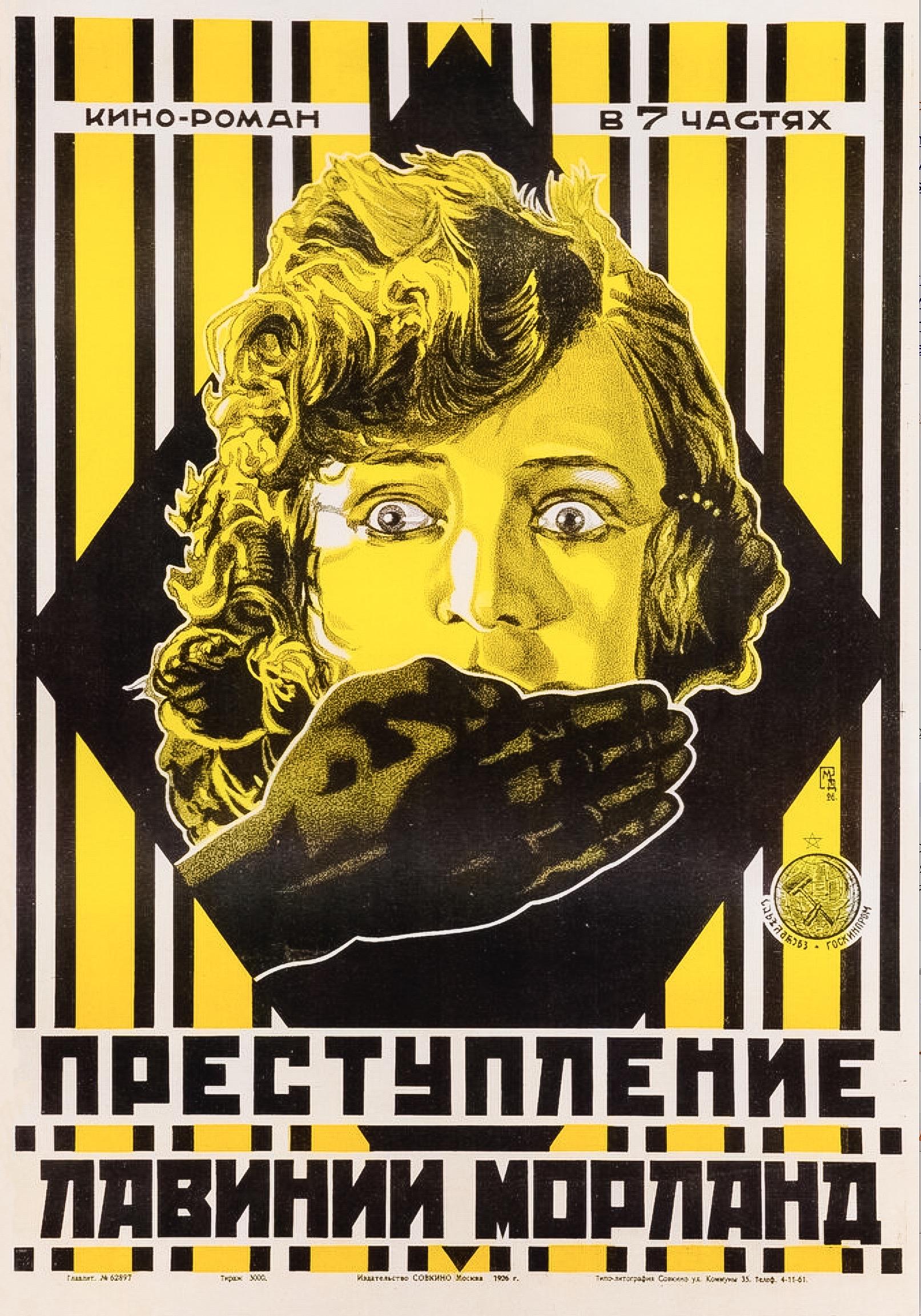
Director's Spotlight: Germany
A Deep Dive into the 1920 Vision of Joe May
Few works in Germany cinema carry the same weight as Die Schuld der Lavinia Morland, especially regarding the cultural zeitgeist captured so perfectly by Joe May in 1920. Utilizing a 1920-specific aesthetic that remains timeless, it serves as a blueprint for future generations of cult directors.
In Die Schuld der Lavinia Morland, Joe May pushes the boundaries of conventional narrative. The film's unique approach to its subject matter has sparked endless debates and interpretations among cinephiles and critics alike.
To fully appreciate Die Schuld der Lavinia Morland, one must consider the cinematic climate of 1920. During this period, Germany was undergoing significant artistic shifts, and Joe May was at the forefront of this cult movement, often challenging established norms.
| Cinematography | Deep Focus |
| Soundtrack | Synth-Heavy |
| Editing | Disjunctive |
| Art Direction | Baroque |
Visualizing the convergence of Joe May's style and the core cult narrative.
Lavinia Morland marries a rich banker in order to obtain money to care for a sick artist with whom she is in love. A woman tells the banker of this state of affairs and he hires a disreputable and bogus count to compromise his wife so that he may obtain a divorce. She kills her husband when she finds he has trapped her, but her story told in court procures her release.
Decades after its release, Die Schuld der Lavinia Morland remains a vital piece of the cinematic puzzle. Its influence can be seen in countless modern works, solidifying Joe May's status as a master of the craft in Germany and beyond.