
DbcultAccessing Vault...
Director's Spotlight
Senior Film Conservator
Director's Spotlight: Germany
A Deep Dive into the 1914 Vision of Joe May
Deciphering the layers of The Mystery of the Fatal Pearl and the Sequel (1914) reveals the complex thematic architecture established by Joe May. Utilizing a 1914-specific aesthetic that remains timeless, it stands as the definitive 1914 statement on cult identity.
In The Mystery of the Fatal Pearl and the Sequel, Joe May pushes the boundaries of conventional narrative. The film's unique approach to its subject matter has sparked endless debates and interpretations among cinephiles and critics alike.
| Cinematography | Static |
| Soundtrack | Diegetic |
| Editing | Rhythmic |
| Art Direction | Naturalist |
Visualizing the convergence of Joe May's style and the core cult narrative.
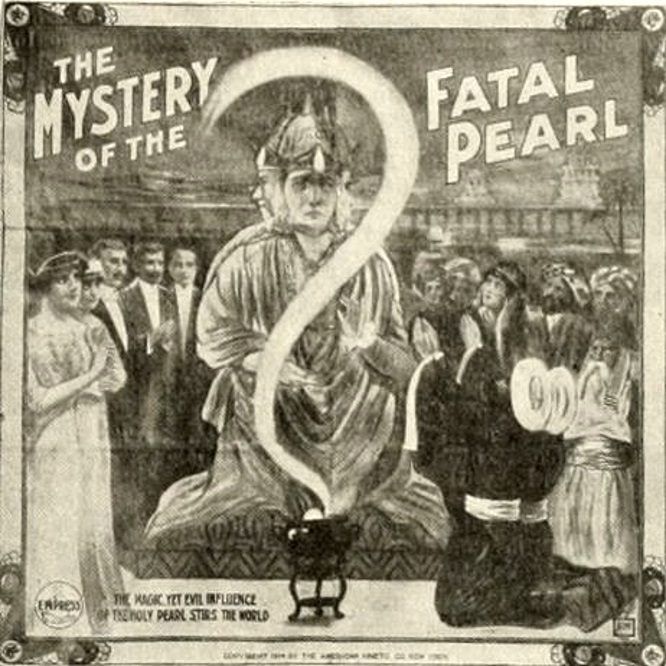
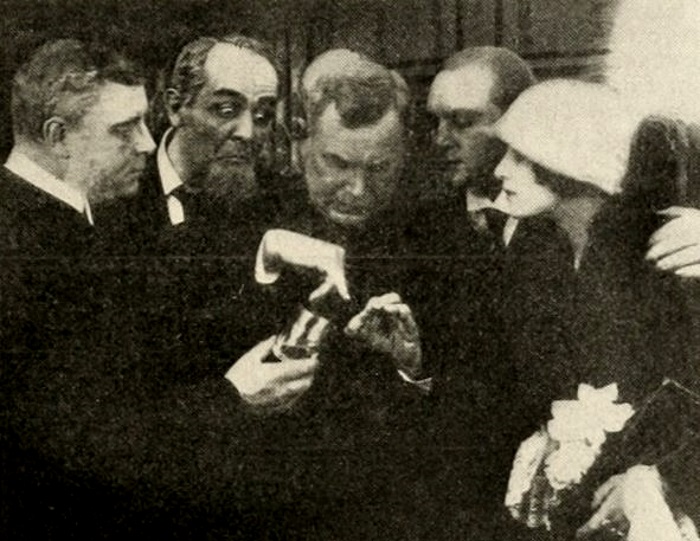
The mystery surrounding the temple of Buddha which contains many priceless gems attracts the attention of two adventurers. They plan and eventually steal the holy pearl from the head of the idol. Next morning the theft is discovered by the Brahmins, and the high priest curses the thief, calling on Buddha to wreak vengeance on everyone into whose possession the jewel falls. The thieves hasten to Europe to sell their ill-gotten prize and offer it to Degory Priest, a well-known collector of rare gems, for $10,000. Priest invites one of the thieves, a man named Allen, to stay at his home over night and he will buy the pearl and pay for it next morning. The other man. Walker, decides to keep watch and wait in the grounds of the mansion. During the night, the evil influence of the pearl causes Allen to see strange visions. He has a paralytic stroke from which he dies. Priest, who had a motive for inviting Allen to stay the night, visits his room and finding him dead, takes the pearl. Three days later, Priest meets with a fatal accident while hunting. After his death the pearl is handed over to his son and heir, Charles Priest, who has gotten into financial difficulties and is in the power of a money lender named Lewis. Lewis brings pressure to bear on young Priest who, unable to raise the money and under the fatal influences of the pearl, commits suicide, before doing so, telling his wife to rid herself of the pearl which has brought so much misfortune on his family. She consequently sells it to Lewis. Violet Lewis seeing the beautiful gem in her father's possession, asks to be allowed to wear it for one day only at her coming of age reception. He consents, but as a precaution, has it insured for $100,000. At the reception three Hindoo performers give a show in which the famous William Tell shooting act forms one of the items. Instead of shooting the apple, the Hindoo shoots the pearl out of its setting without destroying it. This supposed accident causes a sensation and a scuffle takes place to find the missing pearl. Finally the manager of the insurance brokers, who is at the reception to guard the interests of his firm, finds the pearl, but on close examination discovers it to be a clever imitation of the original stone. And now the question arises, "Who Has the Genuine Pearl?"
Decades after its release, The Mystery of the Fatal Pearl and the Sequel remains a vital piece of the cinematic puzzle. Its influence can be seen in countless modern works, solidifying Joe May's status as a master of the craft in Germany and beyond.