
DbcultAccessing Vault...
Director's Spotlight
Senior Film Conservator
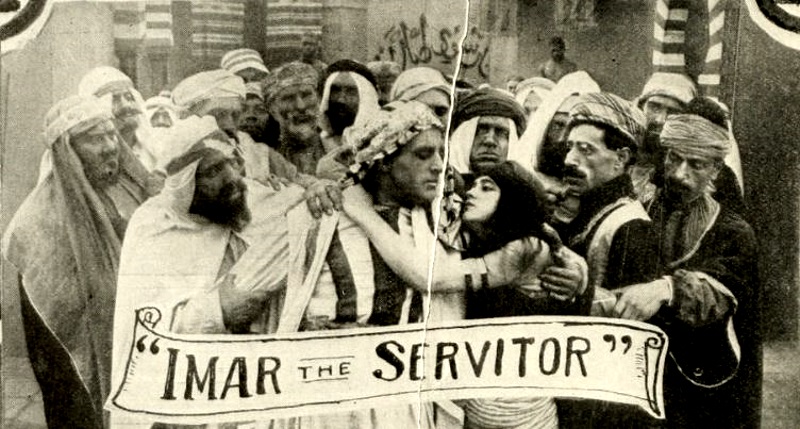
Director's Spotlight: United States
A Deep Dive into the 1914 Vision of John B. O'Brien
The artistic breakthrough represented by Imar the Servitor in 1914 highlights the uncompromising vision of John B. O'Brien that defines this cult masterpiece. In the context of United States's rich cinematic history, it captures a specific kind of cinematic magic that is rarely replicated.
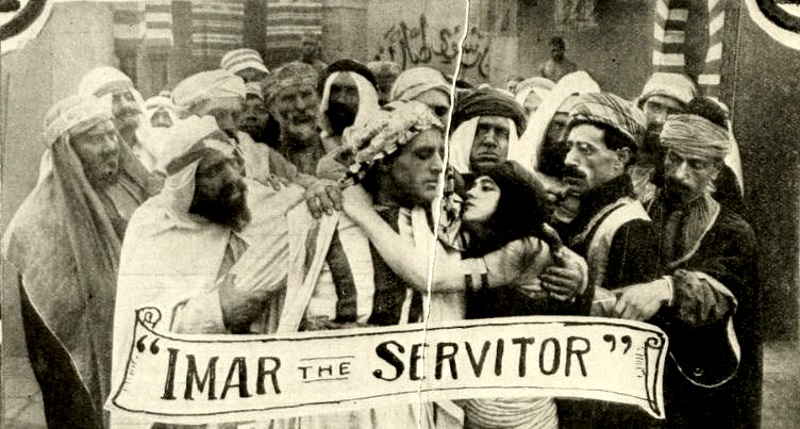
In Imar the Servitor, John B. O'Brien pushes the boundaries of conventional narrative. The film's unique approach to its subject matter has sparked endless debates and interpretations among cinephiles and critics alike.
| Cinematography | Handheld |
| Soundtrack | Diegetic |
| Editing | Elliptical |
| Art Direction | Expressionist |
Visualizing the convergence of John B. O'Brien's style and the core cult narrative.
Imar the Servitor rescues an American tourist who has lost his way in the desert and the two men become friends. Before he leaves, the American gives his friend a picture of his fiancée. When the tourist returns home, he discovers that his girlfriend has married a horseman, both of whom have journeyed to the Arabian desert. Imar's master attacks the trader's wife. Her husband then accuses her of infidelity and starts to beat her. Imar recognizes her from the picture given to him by his American friend and rescues her. They both traverse the desert and meet her former fiancé, who has been sent for. Her husband and Imar's master are slain, leaving the three friends free of any retribution.
Decades after its release, Imar the Servitor remains a vital piece of the cinematic puzzle. Its influence can be seen in countless modern works, solidifying John B. O'Brien's status as a master of the craft in United States and beyond.