
DbcultAccessing Vault...
Director's Spotlight
Senior Film Conservator
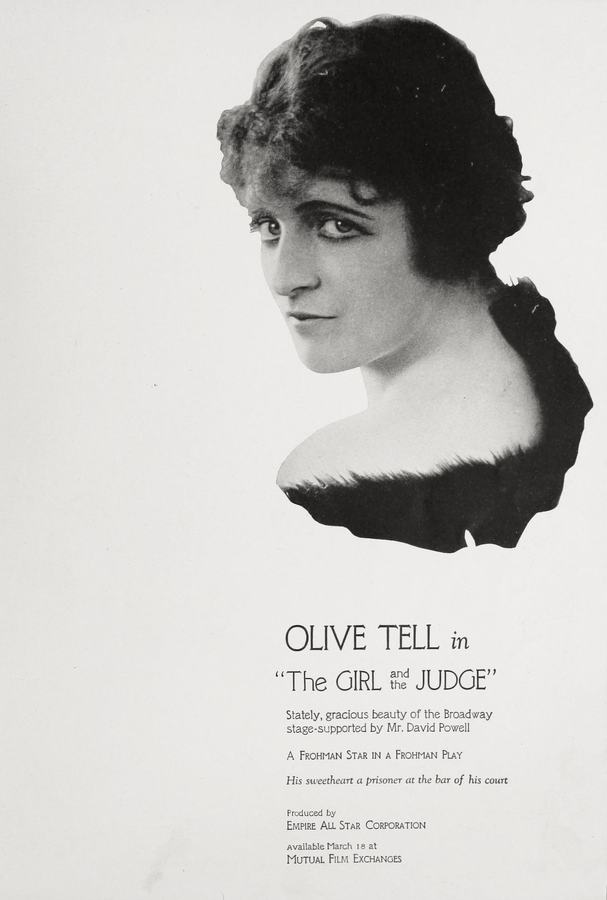
Director's Spotlight: United States
A Deep Dive into the 1918 Vision of John B. O'Brien
The artistic breakthrough represented by The Girl and the Judge in 1918 highlights the uncompromising vision of John B. O'Brien that defines this cult masterpiece. In the context of United States's rich cinematic history, it captures a specific kind of cinematic magic that is rarely replicated.
In The Girl and the Judge, John B. O'Brien pushes the boundaries of conventional narrative. The film's unique approach to its subject matter has sparked endless debates and interpretations among cinephiles and critics alike.
| Cinematography | Static |
| Soundtrack | Orchestral |
| Editing | Invisible |
| Art Direction | Kitsch |
Visualizing the convergence of John B. O'Brien's style and the core cult narrative.
Mrs. Stanton, the wife of a prominent broker, confesses to her daughter Winifred that she is a kleptomaniac. One of her escapades results in her arrest, and although she is released through the influence of wealthy friends, the scandal is printed in the newspapers and her husband's business is ruined. Hoping to start a new life, the family moves to a small New England town, and an attachment soon develops between Winifred and George Chartris, a young judge. When Mrs. Chartris discovers that her jeweled pin is missing after a visit to the Stanton home, Winifred is unjustly arrested but accepts the blame in order to save her mother further embarrassment. George, who is presiding over the trial, refuses to believe that Winifred is guilty and after some digging, discovers that the real thief is Mrs. Stanton's landlady. Through her daughter's sacrifice, Mrs. Stanton is cured of her vice and reconciled to her husband. George and Winifred become engaged.
Decades after its release, The Girl and the Judge remains a vital piece of the cinematic puzzle. Its influence can be seen in countless modern works, solidifying John B. O'Brien's status as a master of the craft in United States and beyond.