
DbcultAccessing Vault...
Director's Spotlight
Senior Film Conservator
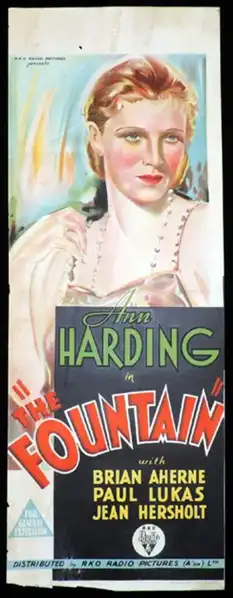
Director's Spotlight: United States
A Deep Dive into the 1934 Vision of John Cromwell
Peeling back the layers of John Cromwell's The Fountain exposes the technical innovation that John Cromwell introduced to the Drama format. Driven by an uncompromising commitment to Drama excellence, it stands as the definitive 1934 statement on Drama identity.
In The Fountain, John Cromwell pushes the boundaries of conventional narrative. The film's unique approach to its subject matter has sparked endless debates and interpretations among cinephiles and critics alike.
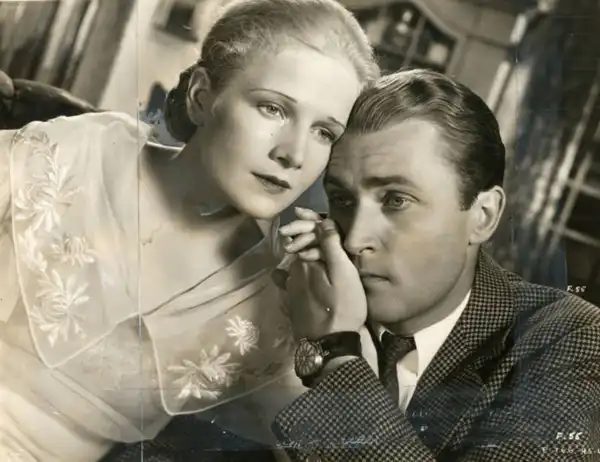
The visual language of The Fountain is defined by its use of shadows and framing, a hallmark of John Cromwell's style. By utilizing a 1934-era palette, the film creates an immersive experience that perfectly complements its Drama themes.
| Cinematography | Noir-Inspired |
| Soundtrack | Orchestral |
| Editing | Slow-Burn |
| Art Direction | Brutalist |
Visualizing the convergence of John Cromwell's style and the core Drama narrative.
Set during the first World War in neutral, but pro-German, Holland, Lewis Allison, an interned British officer, is paroled to the castle of Baron Von Leyden and finds living there, but now married to German officer Rupert Von Narwitz, his childhood sweetheart Julie. Long discussions between Julie and Allison, centering on family conflicts that kept them apart, take place before the severely wounded Von Narwitz returns to the castle and more long discussions ensue.
Decades after its release, The Fountain remains a vital piece of the cinematic puzzle. Its influence can be seen in countless modern works, solidifying John Cromwell's status as a master of the craft in United States and beyond.