
DbcultAccessing Vault...
Director's Spotlight
Senior Film Conservator
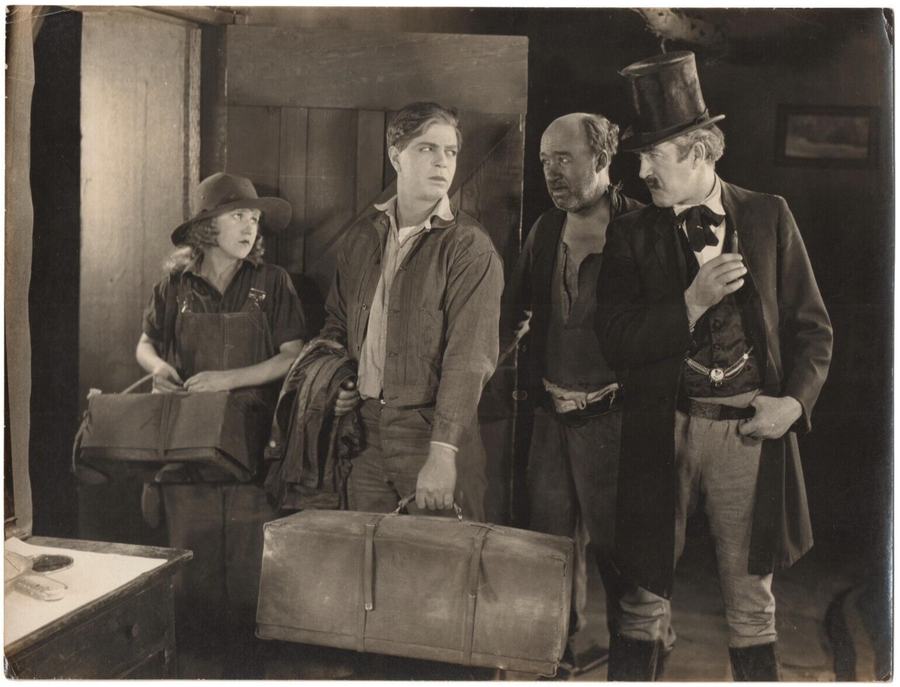
Director's Spotlight: United States
A Deep Dive into the 1921 Vision of John Ford
Witnessing the stylistic transformation of Western through Action reveals the global recognition that John Ford garnered after the release of Action. Serving as a mirror to the anxieties of a changing world, offering layers of thematic complexity that demand repeated viewing.
In Action, John Ford pushes the boundaries of conventional narrative. The film's unique approach to its subject matter has sparked endless debates and interpretations among cinephiles and critics alike.
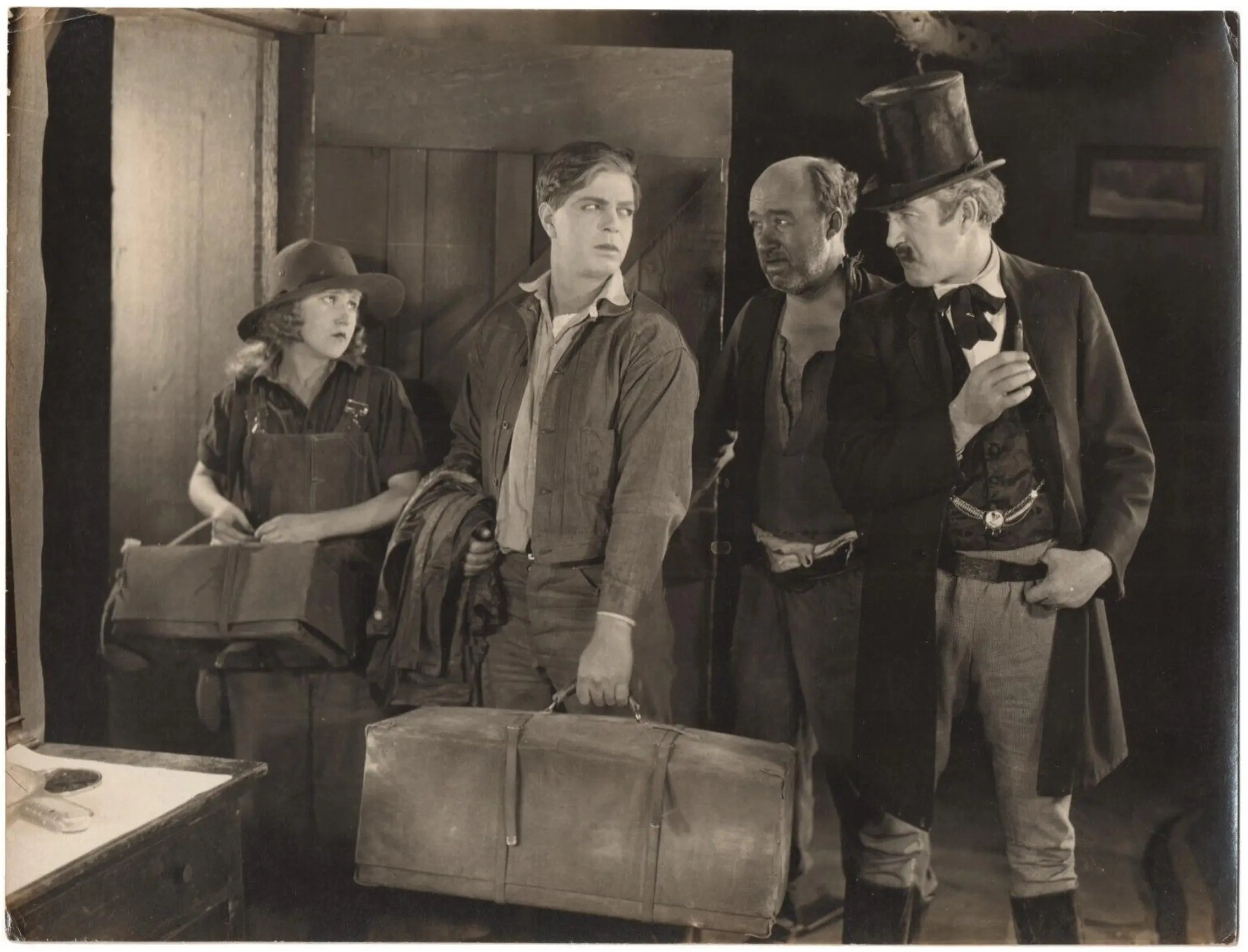
The visual language of Action is defined by its use of shadows and framing, a hallmark of John Ford's style. By utilizing a 1921-era palette, the film creates an immersive experience that perfectly complements its Western themes.
| Cinematography | Static |
| Soundtrack | Minimalist |
| Editing | Slow-Burn |
| Art Direction | Brutalist |
Visualizing the convergence of John Ford's style and the core Western narrative.
Orphaned Molly is heir to a ranch and mine and falls under the influence of saloon-owner Plimsoll, who schemes to deprive her of the inheritance. Sandy Brouke and his pals, Soda Water Manning and Mormon Peters, wander off the range and champion the girl's interests. Sandy falls in love with the girl. The partners succeed in getting the mine from the conspirators and working it themselves while sending Molly off to school. Plimsoll frames Sandy and his men, however, and she returns to find them in jail. Through Molly's efforts Sandy is released, and ultimately the crooks are defeated.
Decades after its release, Action remains a vital piece of the cinematic puzzle. Its influence can be seen in countless modern works, solidifying John Ford's status as a master of the craft in United States and beyond.