
DbcultAccessing Vault...
Director's Spotlight
Senior Film Conservator
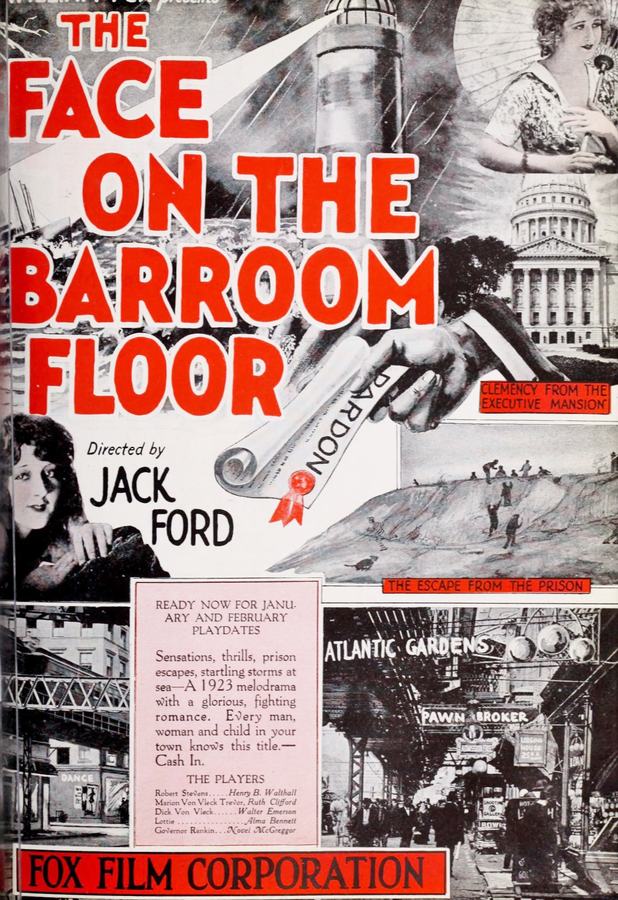
Director's Spotlight: United States
A Deep Dive into the 1923 Vision of John Ford
Few works in United States cinema carry the same weight as The Face on the Bar-Room Floor, especially regarding the cultural zeitgeist captured so perfectly by John Ford in 1923. Utilizing a 1923-specific aesthetic that remains timeless, it serves as a blueprint for future generations of Drama directors.
In The Face on the Bar-Room Floor, John Ford pushes the boundaries of conventional narrative. The film's unique approach to its subject matter has sparked endless debates and interpretations among cinephiles and critics alike.
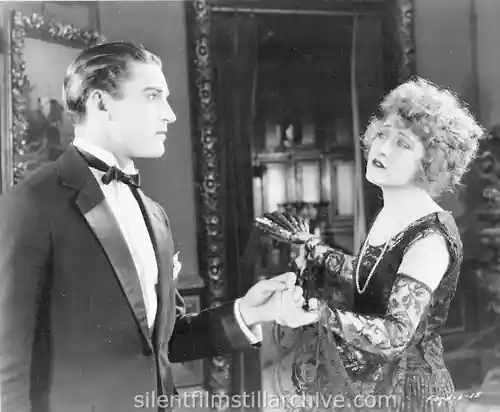
The visual language of The Face on the Bar-Room Floor is defined by its use of shadows and framing, a hallmark of John Ford's style. By utilizing a 1923-era palette, the film creates an immersive experience that perfectly complements its Drama themes.
| Cinematography | High-Contrast |
| Soundtrack | Diegetic |
| Editing | Elliptical |
| Art Direction | Expressionist |
Visualizing the convergence of John Ford's style and the core Drama narrative.
In Paris, France, famous artist Robert Stevens falls in love with Mrs. Marion Trevor and follows her to the U.S., where they plan to marry. Marion's brother, Dick Van Vleck, becomes infatuated with Lottie, who is modeling for Robert. However, Dick returns to college and abandons Lottie, who then drowns herself in the ocean. Robert is accused of betraying the girl, prompting Marion to break their engagement. In addition, he is falsely accused of theft, resulting in a two-year prison term. The artist joins several inmates in a prison break and saves the life of the state governor before escaping. Afterward, Robert lands on an island, where he prevents a shipwreck and nurses an ailing lighthouse keeper back to health. Although he receives a pardon, the despondent artist becomes a drunkard. One day, Marion and the governor enter a barroom to find Robert painting her portrait on the floor. The lovers are reconciled and find happiness together.
Decades after its release, The Face on the Bar-Room Floor remains a vital piece of the cinematic puzzle. Its influence can be seen in countless modern works, solidifying John Ford's status as a master of the craft in United States and beyond.