
DbcultAccessing Vault...
Director's Spotlight
Senior Film Conservator
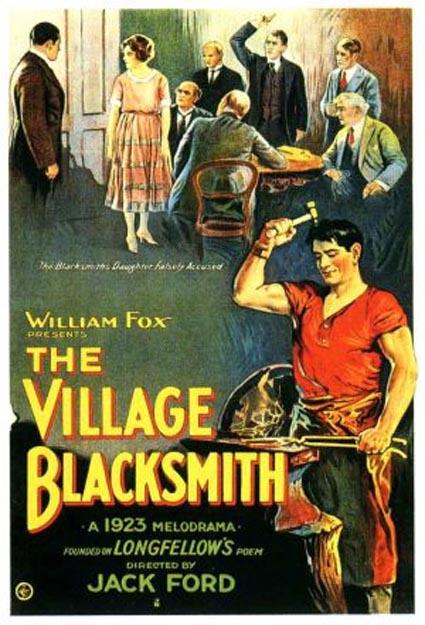
Director's Spotlight: United States
A Deep Dive into the 1922 Vision of John Ford
Analyzing The Village Blacksmith (1922) requires a deep dive into the unique directorial voice that John Ford brought to the screen. By challenging the status quo of 1922 cinema, it continues to spark endless debates among critics and cinephiles alike.
In The Village Blacksmith, John Ford pushes the boundaries of conventional narrative. The film's unique approach to its subject matter has sparked endless debates and interpretations among cinephiles and critics alike.
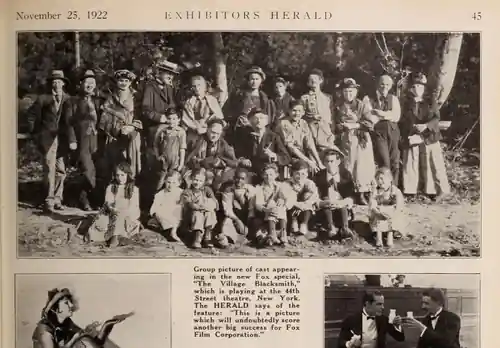
In this work, John Ford explores the intersection of Drama and United States cultural identity. The meticulous attention to detail suggests a deep-seated commitment to pushing the boundaries of the medium, ensuring that The Village Blacksmith remains a relevant topic of study for Drama enthusiasts.
| Cinematography | Noir-Inspired |
| Soundtrack | Experimental |
| Editing | Invisible |
| Art Direction | Kitsch |
Visualizing the convergence of John Ford's style and the core Drama narrative.
In a prologue, Johnnie, one of the village blacksmith's two sons, falls from a tree that the squire's son Anson Brigham dared him to climb, and is crippled. The squire is an enemy of the blacksmith, who married the woman the squire loved. The main story shows the children grown up. Bill, the other son, has become a doctor, and Alice, the daughter, is having an affair with the squire's son, who has just returned from college. Bill is injured in a train accident, and Alice, accused of stealing some money belonging to the church, tries to commit suicide. The blacksmith rescues Alice; the elder brother recovers and successfully operates on Johnnie's legs, and the film ends happily.
Decades after its release, The Village Blacksmith remains a vital piece of the cinematic puzzle. Its influence can be seen in countless modern works, solidifying John Ford's status as a master of the craft in United States and beyond.