
DbcultAccessing Vault...
Director's Spotlight
Senior Film Conservator
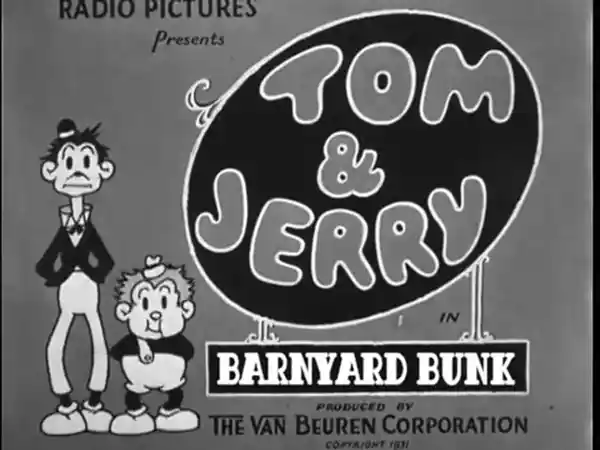
Director's Spotlight: United States
A Deep Dive into the 1932 Vision of John Foster
Deciphering the layers of Barnyard Bunk (1932) reveals a monumental shift in Short filmmaking spearheaded by John Foster. With its avant-garde structure and atmospheric tension, offering layers of thematic complexity that demand repeated viewing.
In Barnyard Bunk, John Foster pushes the boundaries of conventional narrative. The film's unique approach to its subject matter has sparked endless debates and interpretations among cinephiles and critics alike.
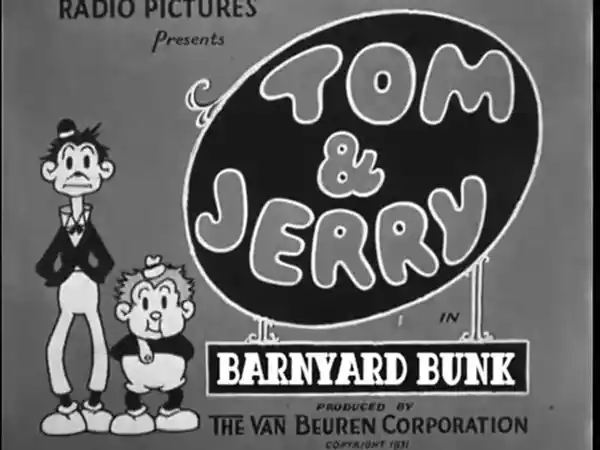
The visual language of Barnyard Bunk is defined by its use of shadows and framing, a hallmark of John Foster's style. By utilizing a 1932-era palette, the film creates an immersive experience that perfectly complements its Short themes.
| Cinematography | High-Contrast |
| Soundtrack | Diegetic |
| Editing | Elliptical |
| Art Direction | Expressionist |
Visualizing the convergence of John Foster's style and the core Short narrative.
An old farmer has let his entire farm go and it is falling down around him, with mice taking over. Tom and Jerry (the human versions, not the cat and mouse) show up with magical saxophones, and the music has amazing effects on the farm. A chicken lays dozens of eggs, a cow gives gallons and gallons and gallons of milk, and two woodpeckers don't just peck a tree, they cut it down and split it into firewood. Even the farmer's well changes, filling with beer (by the mug of course) instead of water. The farmer trades Tom and Jerry a huge bag of money for the saxophones, but he gets the better deal - the bag is full of the mice from the start of the cartoon, and they carry Tom and Jerry off to throw them into the pond.
Decades after its release, Barnyard Bunk remains a vital piece of the cinematic puzzle. Its influence can be seen in countless modern works, solidifying John Foster's status as a master of the craft in United States and beyond.