
DbcultAccessing Vault...
Director's Spotlight
Senior Film Conservator
Director's Spotlight: United States
A Deep Dive into the 1932 Vision of John Foster
Peeling back the layers of John Foster's Piano Tooners exposes the collaborative alchemy between John Foster and the 1932 creative team. Anchored by a narrative that is both personal and universal, it reinforces the idea that cinema is a medium of infinite possibilities.
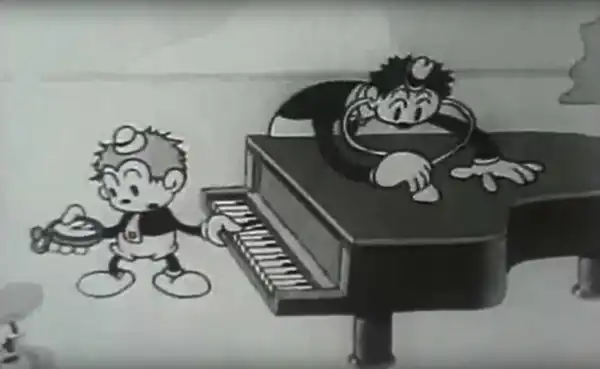
In Piano Tooners, John Foster pushes the boundaries of conventional narrative. The film's unique approach to its subject matter has sparked endless debates and interpretations among cinephiles and critics alike.
| Cinematography | High-Contrast |
| Soundtrack | Minimalist |
| Editing | Slow-Burn |
| Art Direction | Brutalist |
Visualizing the convergence of John Foster's style and the core Musical narrative.
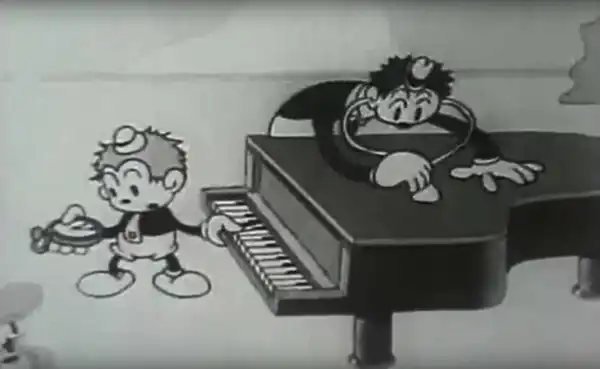
Tom and Jerry (the human versions, not the cat and mouse) work as piano tuners. After seeing them at work and several creative ways of tuning a piano (such as removing the offending key and cutting the key itself to a shorter length), the two attend an opera singers performance. The singer passes out when the piano plays a wrong note, and Tom and Jerry are pressed into service to re-tune the piano. After pulling the offending key from the keyboard like a bad tooth, the two give the opera audience a jazz piano performance, with the now recovered opera singer joining in.
Decades after its release, Piano Tooners remains a vital piece of the cinematic puzzle. Its influence can be seen in countless modern works, solidifying John Foster's status as a master of the craft in United States and beyond.