
DbcultAccessing Vault...
Director's Spotlight
Senior Film Conservator
Director's Spotlight: United States
A Deep Dive into the 1933 Vision of John Foster
The artistic breakthrough represented by Tightrope Tricks in 1933 highlights the uncompromising vision of John Foster that defines this Animation masterpiece. In the context of United States's rich cinematic history, it captures a specific kind of cinematic magic that is rarely replicated.
In Tightrope Tricks, John Foster pushes the boundaries of conventional narrative. The film's unique approach to its subject matter has sparked endless debates and interpretations among cinephiles and critics alike.
To fully appreciate Tightrope Tricks, one must consider the cinematic climate of 1933. During this period, United States was undergoing significant artistic shifts, and John Foster was at the forefront of this Animation movement, often challenging established norms.
| Cinematography | Noir-Inspired |
| Soundtrack | Orchestral |
| Editing | Invisible |
| Art Direction | Kitsch |
Visualizing the convergence of John Foster's style and the core Animation narrative.
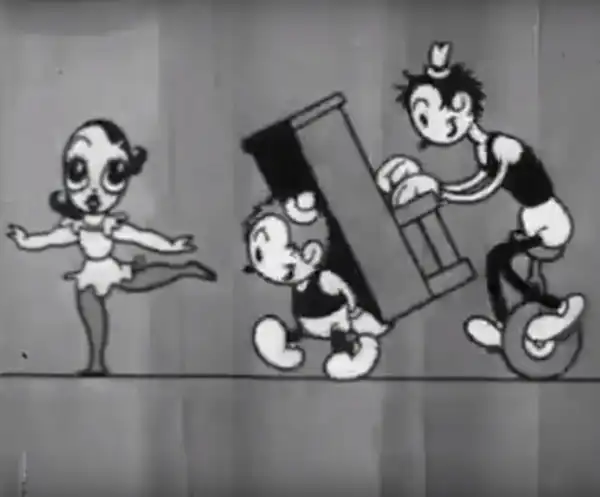
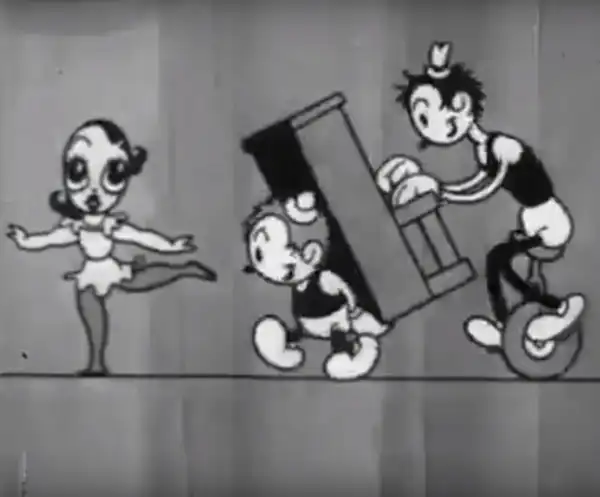
Tom and Jerry have fun at the circus and then show their acrobatic talents on a tightrope. They get into trouble with an ornery lion and are chased from the Big Top by the feline's friends. When the defend themselves by spraying the lions away with an elephant's trunk, they accidentally flood the circus but are able to float away unscathed.
Decades after its release, Tightrope Tricks remains a vital piece of the cinematic puzzle. Its influence can be seen in countless modern works, solidifying John Foster's status as a master of the craft in United States and beyond.