
DbcultAccessing Vault...
Director's Spotlight
Senior Film Conservator
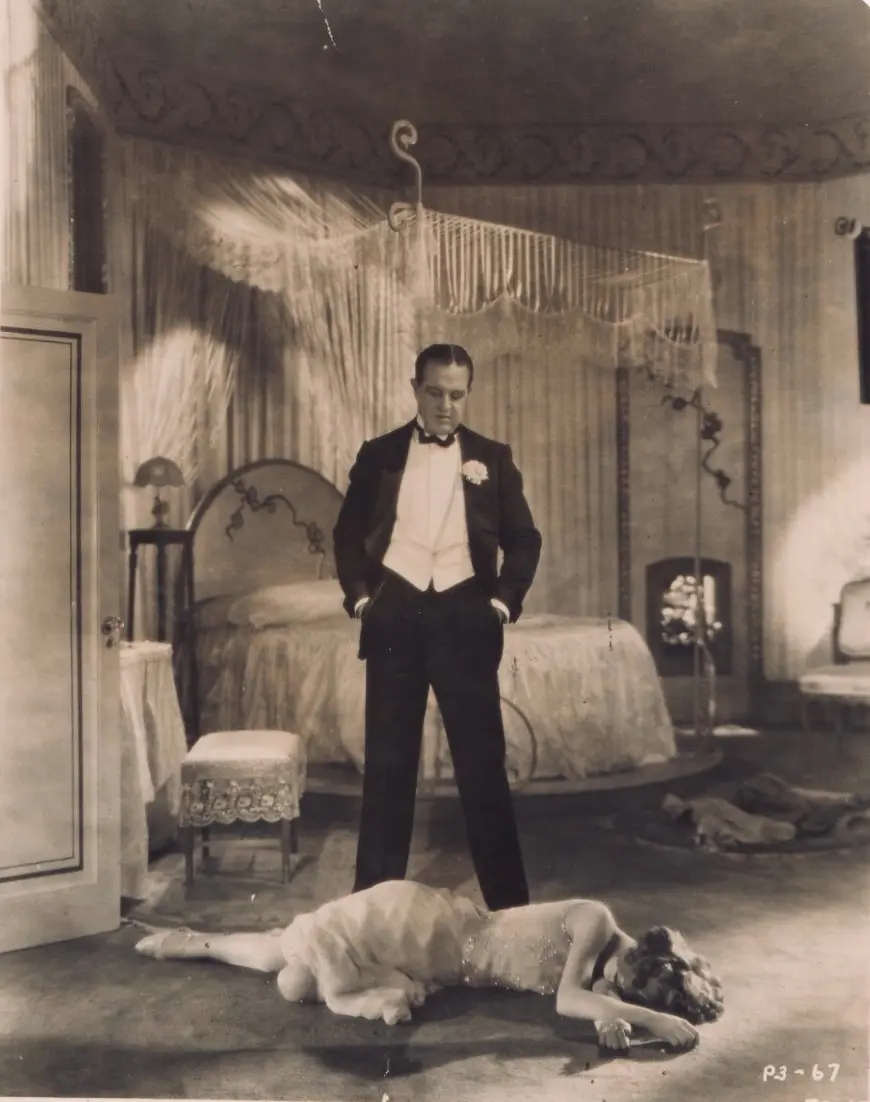
Director's Spotlight: United States
A Deep Dive into the 1925 Vision of John Francis Dillon
In the storied career of John Francis Dillon, Chickie stands as a the provocative questions that John Francis Dillon poses to the United States audience. Elevating the source material through John Francis Dillon's unique vision, it persists as a haunting reminder of our own cinematic history.
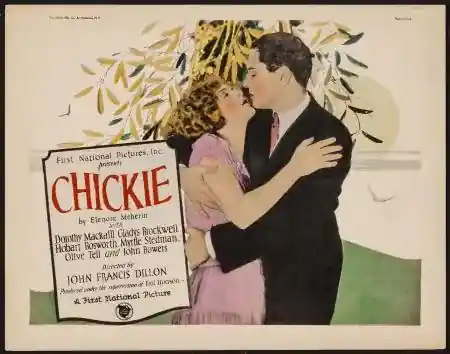
In Chickie, John Francis Dillon pushes the boundaries of conventional narrative. The film's unique approach to its subject matter has sparked endless debates and interpretations among cinephiles and critics alike.
| Cinematography | Handheld |
| Soundtrack | Diegetic |
| Editing | Elliptical |
| Art Direction | Expressionist |
Visualizing the convergence of John Francis Dillon's style and the core Drama narrative.
Young stenographer Chickie Bryce dreams of marrying a millionaire. Until then, though, she is content to carry on with Barry, a lawyer from a nearby office. The relationship soon becomes serious, but one day Chickie meets an actual millionaire, Jake, who sweeps her off her feet. Barry tries to win her back, but his efforts are stymied by Ila, a girl who is in love with Barry and doesn't want him to get back with Chickie.
Decades after its release, Chickie remains a vital piece of the cinematic puzzle. Its influence can be seen in countless modern works, solidifying John Francis Dillon's status as a master of the craft in United States and beyond.