
DbcultAccessing Vault...
Director's Spotlight
Senior Film Conservator
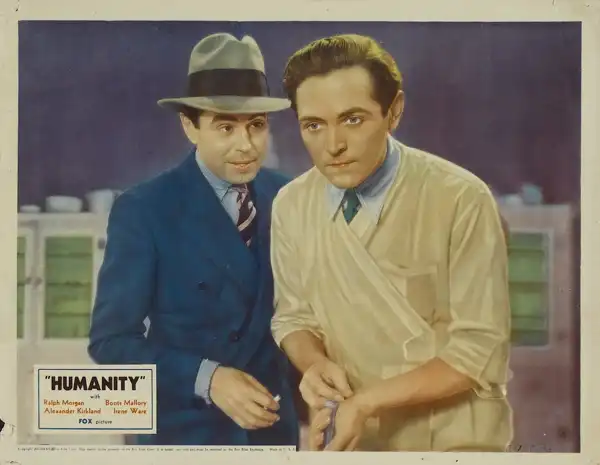
Director's Spotlight: United States
A Deep Dive into the 1933 Vision of John Francis Dillon
To understand the modern evolution of United States film, one must first look at Humanity and the meticulous attention to detail that John Francis Dillon applied to every frame. Reflecting the political and social shifts of the 1933s, it showcases the power of Drama as a tool for social commentary.
In Humanity, John Francis Dillon pushes the boundaries of conventional narrative. The film's unique approach to its subject matter has sparked endless debates and interpretations among cinephiles and critics alike.
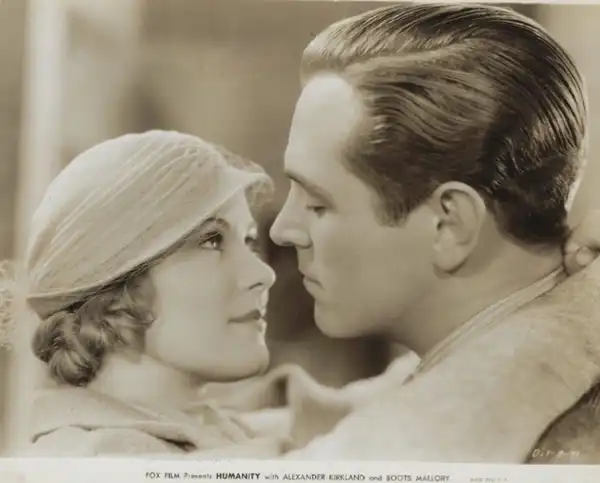
While deeply rooted in United States, Humanity has achieved a global reach, influencing directors from various backgrounds. Its ability to translate Drama tropes into a universal cinematic language is why it remains a cult staple decades after its 1933 release.
| Cinematography | Deep Focus |
| Soundtrack | Synth-Heavy |
| Editing | Rhythmic |
| Art Direction | Naturalist |
Visualizing the convergence of John Francis Dillon's style and the core Drama narrative.
A doctor in New York City, who has had to raise his son without a mother since his wife died, struggles and sacrifices to be able to send the boy to a top-ranked, but expensive, medical university in Europe. His dream is that the boy will return to help him provide much needed medical care for the poor of his Lower East Side neighborhood. However, after the boy graduates he comes home and announces that he plans to begin a practice on wealthy Park Avenue to cater to the rich and powerful, in order to make the kind of money that will impress his new upper-class girlfriend.
Decades after its release, Humanity remains a vital piece of the cinematic puzzle. Its influence can be seen in countless modern works, solidifying John Francis Dillon's status as a master of the craft in United States and beyond.