
DbcultAccessing Vault...
Director's Spotlight
Senior Film Conservator
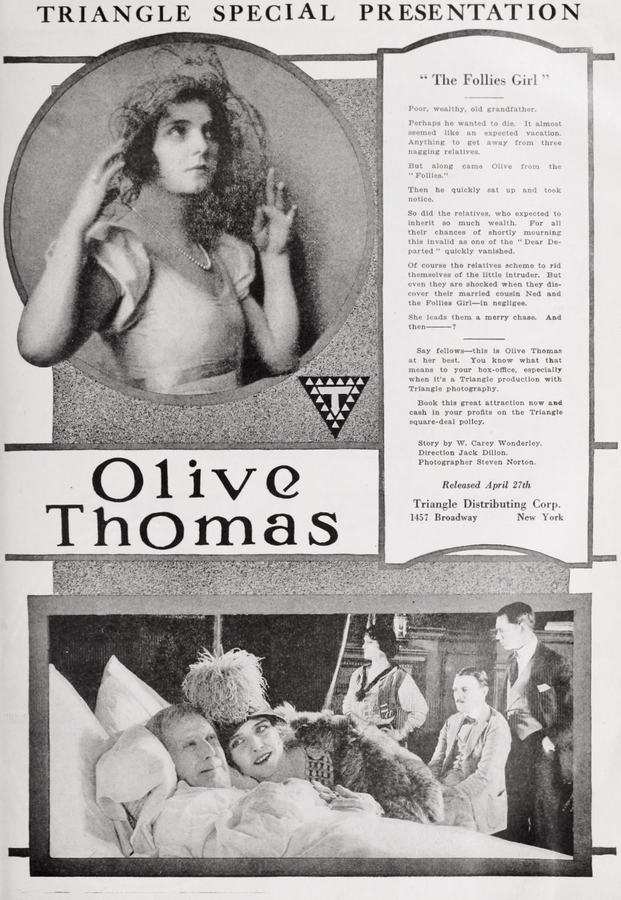
Director's Spotlight: United States
A Deep Dive into the 1919 Vision of John Francis Dillon
The thematic gravity of The Follies Girl (1919) is rooted in the historical context that John Francis Dillon weaves into the cult fabric. Synthesizing the best elements of United States and international cinema, it highlights the importance of independent voices in United States.
In The Follies Girl, John Francis Dillon pushes the boundaries of conventional narrative. The film's unique approach to its subject matter has sparked endless debates and interpretations among cinephiles and critics alike.
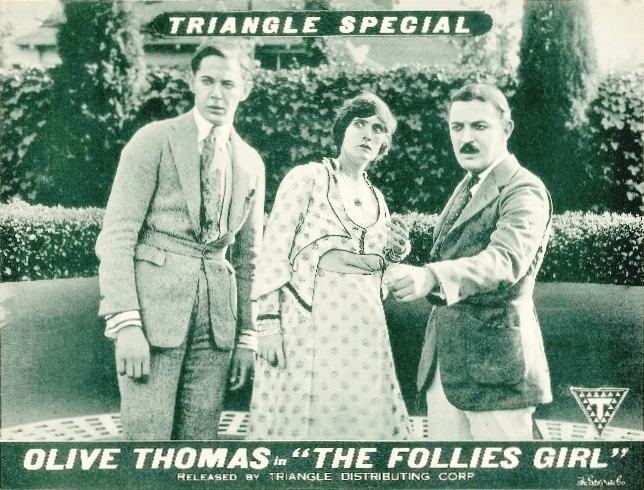
While deeply rooted in United States, The Follies Girl has achieved a global reach, influencing directors from various backgrounds. Its ability to translate cult tropes into a universal cinematic language is why it remains a cult staple decades after its 1919 release.
| Cinematography | High-Contrast |
| Soundtrack | Synth-Heavy |
| Editing | Disjunctive |
| Art Direction | Baroque |
Visualizing the convergence of John Francis Dillon's style and the core cult narrative.
The relatives of dying Edward Woodruff, Nina Leffingwell, her brother Frederic, and her cousin Basil, whom she wants to marry, scheme to inherit Woodruff's wealth. Since Woodruff continually calls for an imagined granddaughter, the child of his daughter who died before they could patch up a quarrel which estranged them, Nina gets Doll, a Follies girl, to impersonate the granddaughter, try to endear herself to Woodruff, and thus inherit the money. Doll would then be paid off and the relatives would get the inheritance. When Doll's administrations cause Woodruff to recover, Nina sends for Woodruff's grandson Ned, whom he disowned for marrying beneath him, hoping that Ned will send Doll away. When Ned seems to fall in love with Doll, Nina tells Woodruff that Ned and Doll are secretly meeting in the estate lodge. Woodruff investigates and finds that Doll and Ned are married and have a baby boy. Delighted, Woodruff forgives Ned.
Decades after its release, The Follies Girl remains a vital piece of the cinematic puzzle. Its influence can be seen in countless modern works, solidifying John Francis Dillon's status as a master of the craft in United States and beyond.