
DbcultAccessing Vault...
Director's Spotlight
Senior Film Conservator
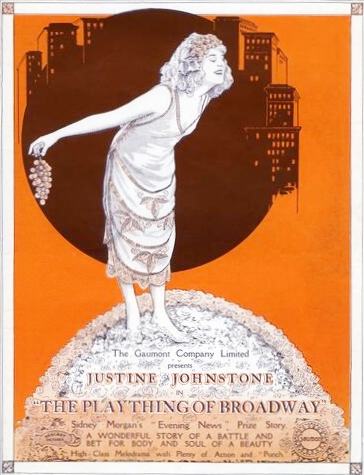
Director's Spotlight: United States
A Deep Dive into the 1921 Vision of John Francis Dillon
The brilliance of The Plaything of Broadway (1921) is inseparable from the visionary mind of its creator, John Francis Dillon. Serving as a mirror to the anxieties of a changing world, it persists as a haunting reminder of our own cinematic history.
In The Plaything of Broadway, John Francis Dillon pushes the boundaries of conventional narrative. The film's unique approach to its subject matter has sparked endless debates and interpretations among cinephiles and critics alike.
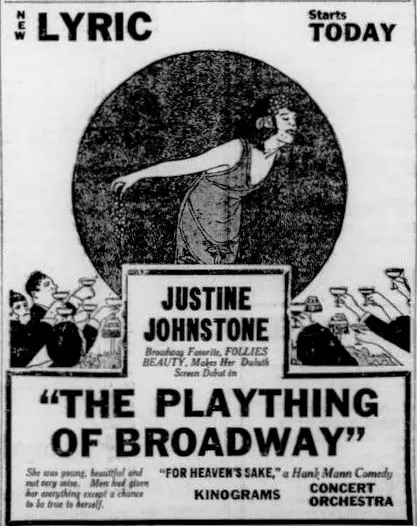
The visual language of The Plaything of Broadway is defined by its use of shadows and framing, a hallmark of John Francis Dillon's style. By utilizing a 1921-era palette, the film creates an immersive experience that perfectly complements its Romance themes.
| Cinematography | Static |
| Soundtrack | Diegetic |
| Editing | Elliptical |
| Art Direction | Expressionist |
Visualizing the convergence of John Francis Dillon's style and the core Romance narrative.
A beautiful young girl, Lola, is a dancer at a private club for wealthy men in New York City. Some of the club members make a bet that Lola can't seduce a young doctor, Jennings. Her attempt fails, and in order to find out why she follows him around and discovers that he runs a clinic on the city's poor Lower East Side. She begins to see the young doctor in a new light, and sets out to help him build the emergency hospital he's always wanted.
Decades after its release, The Plaything of Broadway remains a vital piece of the cinematic puzzle. Its influence can be seen in countless modern works, solidifying John Francis Dillon's status as a master of the craft in United States and beyond.