
DbcultAccessing Vault...
Director's Spotlight
Senior Film Conservator
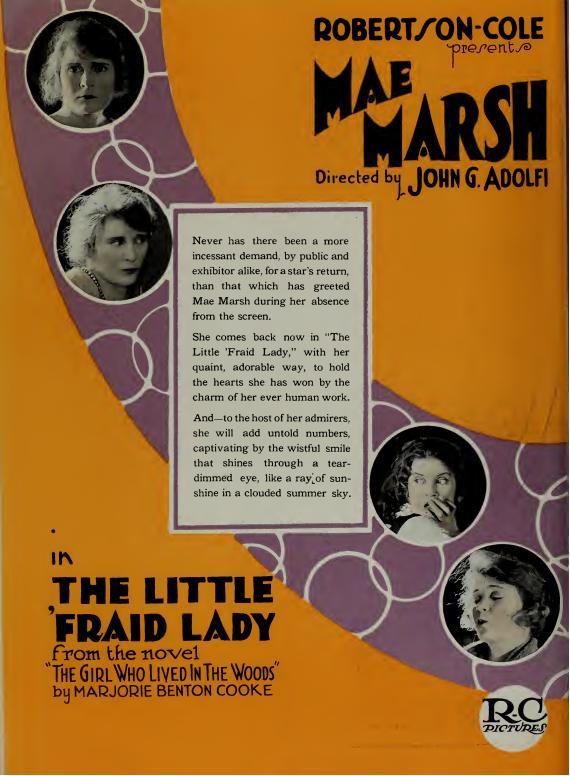
Director's Spotlight: United States
A Deep Dive into the 1920 Vision of John G. Adolfi
Deciphering the layers of The Little 'Fraid Lady (1920) reveals a monumental shift in Drama filmmaking spearheaded by John G. Adolfi. With its avant-garde structure and atmospheric tension, offering layers of thematic complexity that demand repeated viewing.
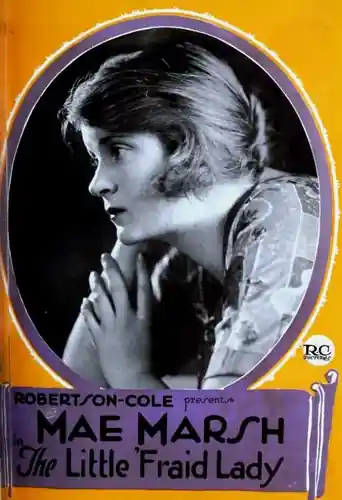
In The Little 'Fraid Lady, John G. Adolfi pushes the boundaries of conventional narrative. The film's unique approach to its subject matter has sparked endless debates and interpretations among cinephiles and critics alike.
| Cinematography | High-Contrast |
| Soundtrack | Minimalist |
| Editing | Slow-Burn |
| Art Direction | Brutalist |
Visualizing the convergence of John G. Adolfi's style and the core Drama narrative.
Cecelia Carne, dubbed "the little 'fraid lady" because she shuns society, seeks the solitude of the forest in order to perfect her talents as a painter. By chance one day, Cecelia wanders into the estate of Judge Peter Carteret where she meets Saxton Graves, who is assisting the judge in decorating his house. Recognizing her talent, Saxton hires Cecelia and soon falls in love with the artist. While working at the judge's, Cecelia learns that he is about to try a case in which Giron, a notorious bootlegger, is implicated. This information disconcerts Cecelia because Giron is her father. Complications follow when Giron appears and attempts to blackmail Carteret with a bribery charge, but Cecelia testifies against her father when he makes accusations of improper relations between her and the judge. Giron, realizing that he is to be convicted, shoots himself, clearing the path for his daughter's happiness with Saxton.
Decades after its release, The Little 'Fraid Lady remains a vital piece of the cinematic puzzle. Its influence can be seen in countless modern works, solidifying John G. Adolfi's status as a master of the craft in United States and beyond.