
DbcultAccessing Vault...
Director's Spotlight
Senior Film Conservator
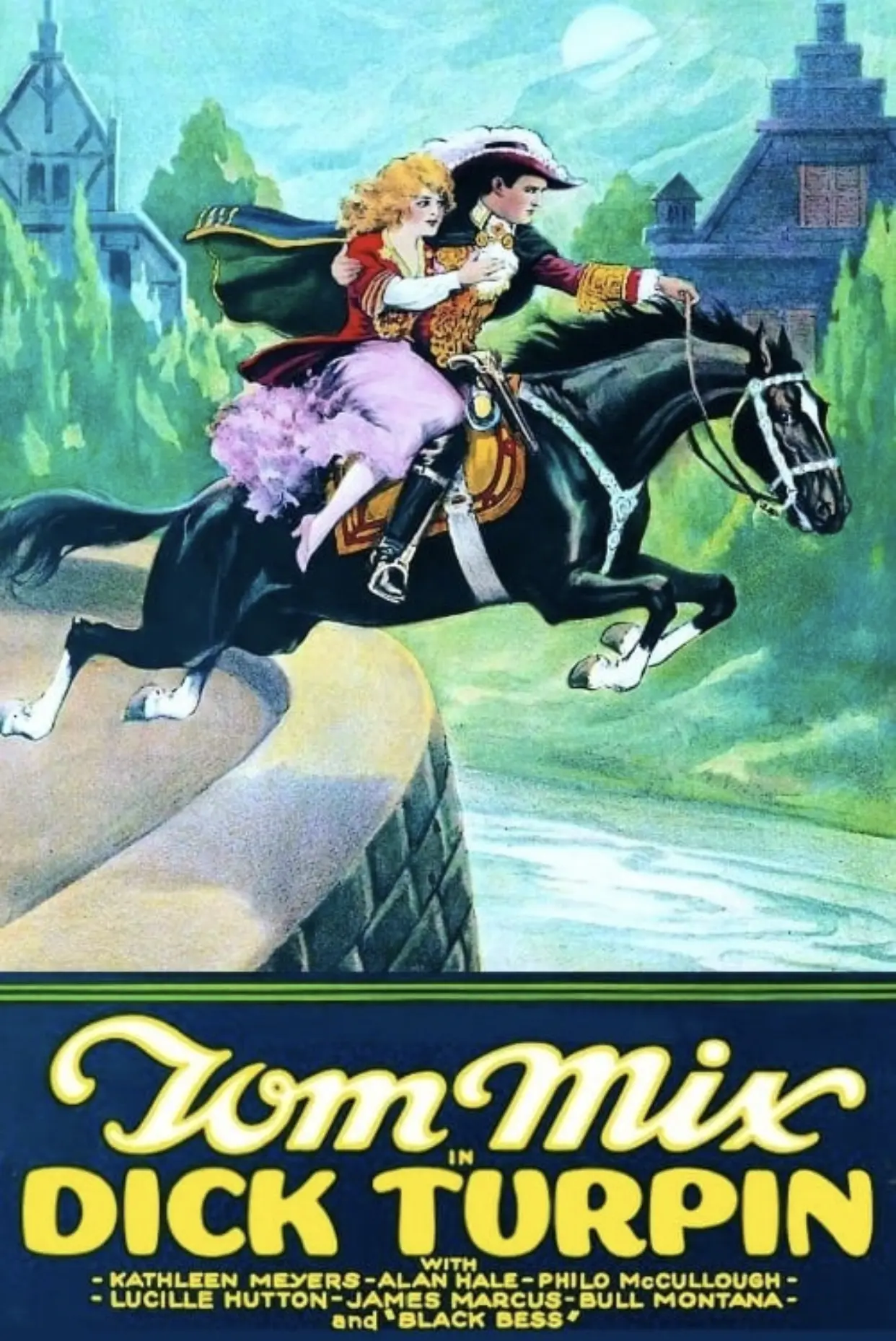
Director's Spotlight: United States
A Deep Dive into the 1925 Vision of John G. Blystone
In the grand tapestry of Adventure cinema, Dick Turpin serves as a bridge between the bold experimentation that has become synonymous with John G. Blystone. Breaking the traditional rules of Adventure engagement, it highlights the importance of independent voices in United States.
In Dick Turpin, John G. Blystone pushes the boundaries of conventional narrative. The film's unique approach to its subject matter has sparked endless debates and interpretations among cinephiles and critics alike.
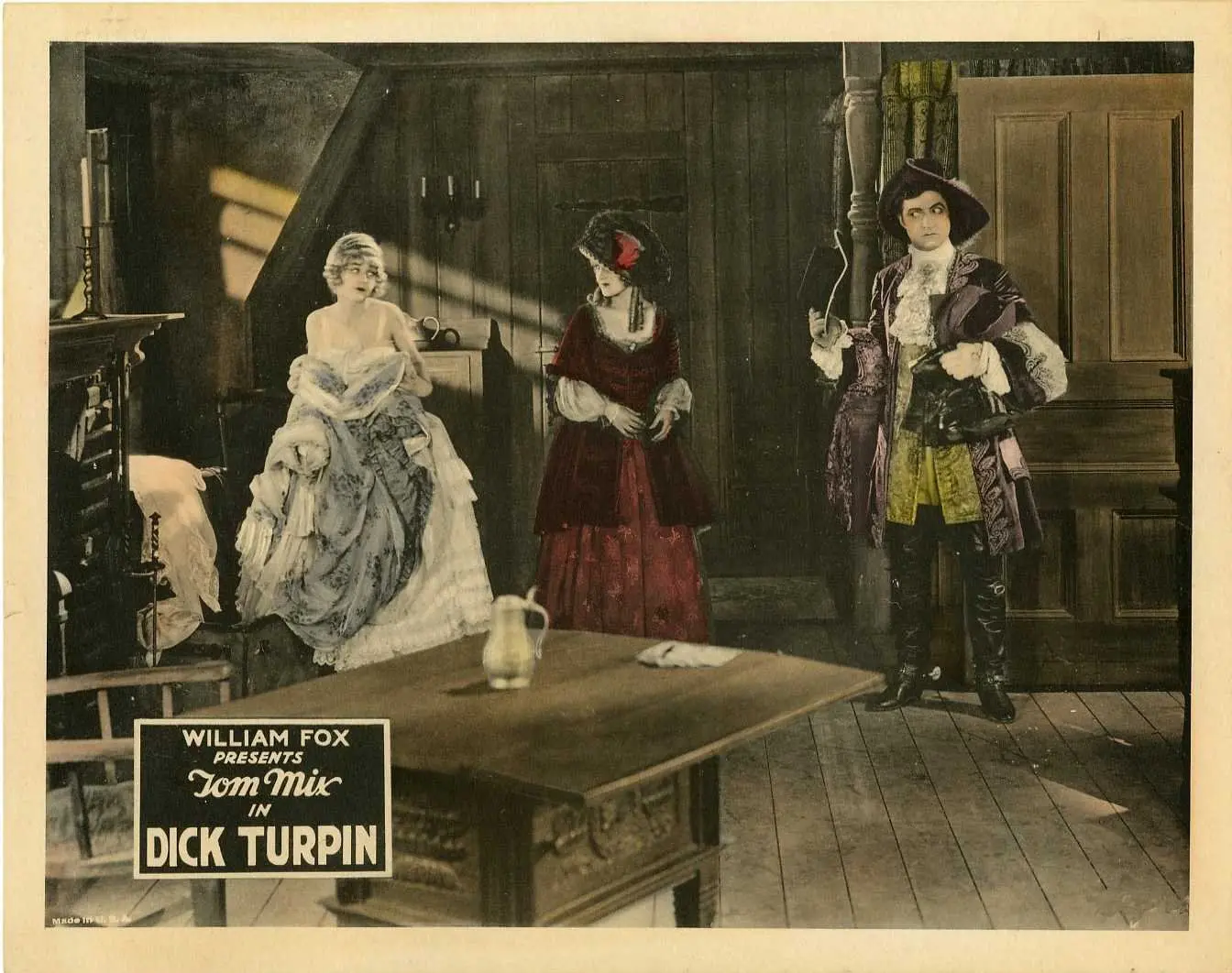
The visual language of Dick Turpin is defined by its use of shadows and framing, a hallmark of John G. Blystone's style. By utilizing a 1925-era palette, the film creates an immersive experience that perfectly complements its Adventure themes.
| Cinematography | Deep Focus |
| Soundtrack | Synth-Heavy |
| Editing | Disjunctive |
| Art Direction | Baroque |
Visualizing the convergence of John G. Blystone's style and the core Adventure narrative.
Dick Turpin, an English highwayman who robs from the rich and gives to the poor, holds up the coach of Lord Churlton. Sometime later, in aiding a coach attacked by ruffians, Dick meets aristocratic Alice Brookfield, who is being forced by her family to marry Churlton. Dick offers to assist her to avoid the unwanted marriage, and they travel to London together, with Alice disguised as a boy. Churlton pursues them, and, after several narrow escapes, Dick is captured by the royal guards and sentenced to be hanged. On the scaffold, Dick is told by his friend, Tom King, who has taken the hangman's place, that the crowd is sympathetic; and Dick makes his escape, riding his horse to York. Dick finds the house where Alice is being held prisoner, kills Churlton, and escapes to France with Alice, whom he marries. Dick gives up his profession and settles down to family life.
Decades after its release, Dick Turpin remains a vital piece of the cinematic puzzle. Its influence can be seen in countless modern works, solidifying John G. Blystone's status as a master of the craft in United States and beyond.