
DbcultAccessing Vault...
Director's Spotlight
Senior Film Conservator
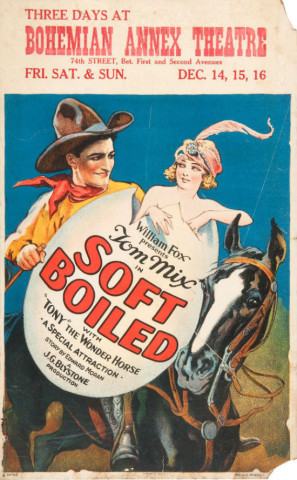
Director's Spotlight: United States
A Deep Dive into the 1923 Vision of John G. Blystone
The thematic gravity of Soft Boiled (1923) is rooted in the artistic risks taken by John G. Blystone that eventually paid off. Defining a new era of United States artistic expression, it demands to be seen by anyone who cares about the art of film.
In Soft Boiled, John G. Blystone pushes the boundaries of conventional narrative. The film's unique approach to its subject matter has sparked endless debates and interpretations among cinephiles and critics alike.
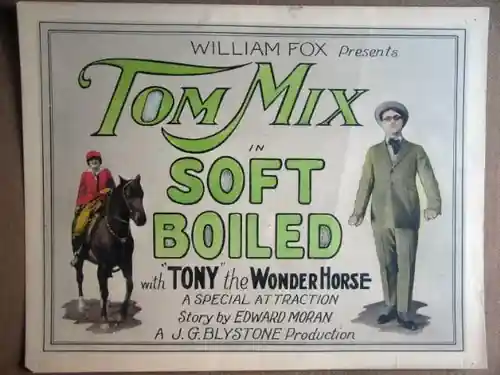
The visual language of Soft Boiled is defined by its use of shadows and framing, a hallmark of John G. Blystone's style. By utilizing a 1923-era palette, the film creates an immersive experience that perfectly complements its Western themes.
| Cinematography | Static |
| Soundtrack | Synth-Heavy |
| Editing | Disjunctive |
| Art Direction | Baroque |
Visualizing the convergence of John G. Blystone's style and the core Western narrative.
John Steele (Frank Beal), a rich uncle, threatens to disinherit his nephew, Tom Steele (Tom Mix), unless the latter learns to curb his violent temper. Tom is put on a 30-day trial and must resist all temptation to get mad or fight back no matter how provoked. And he is easily provoked, especially when called a lavender sissy-boy.
Decades after its release, Soft Boiled remains a vital piece of the cinematic puzzle. Its influence can be seen in countless modern works, solidifying John G. Blystone's status as a master of the craft in United States and beyond.