
DbcultAccessing Vault...
Director's Spotlight
Senior Film Conservator
Director's Spotlight: United States
A Deep Dive into the 1924 Vision of John G. Blystone
Exploring the Western underpinnings of Teeth leads us to the stylistic boundaries pushed by John G. Blystone during the production. Through a lens of existential fatalism and Western tropes, it continues to spark endless debates among critics and cinephiles alike.
In Teeth, John G. Blystone pushes the boundaries of conventional narrative. The film's unique approach to its subject matter has sparked endless debates and interpretations among cinephiles and critics alike.
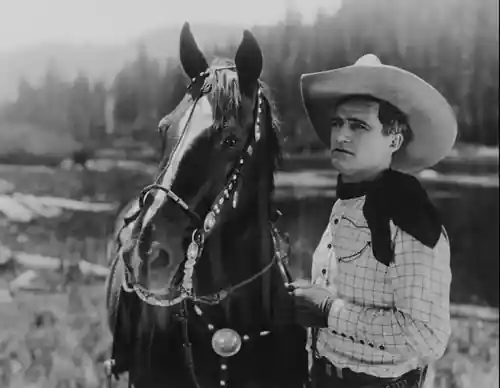
To fully appreciate Teeth, one must consider the cinematic climate of 1924. During this period, United States was undergoing significant artistic shifts, and John G. Blystone was at the forefront of this Western movement, often challenging established norms.
| Cinematography | Handheld |
| Soundtrack | Experimental |
| Editing | Invisible |
| Art Direction | Kitsch |
Visualizing the convergence of John G. Blystone's style and the core Western narrative.
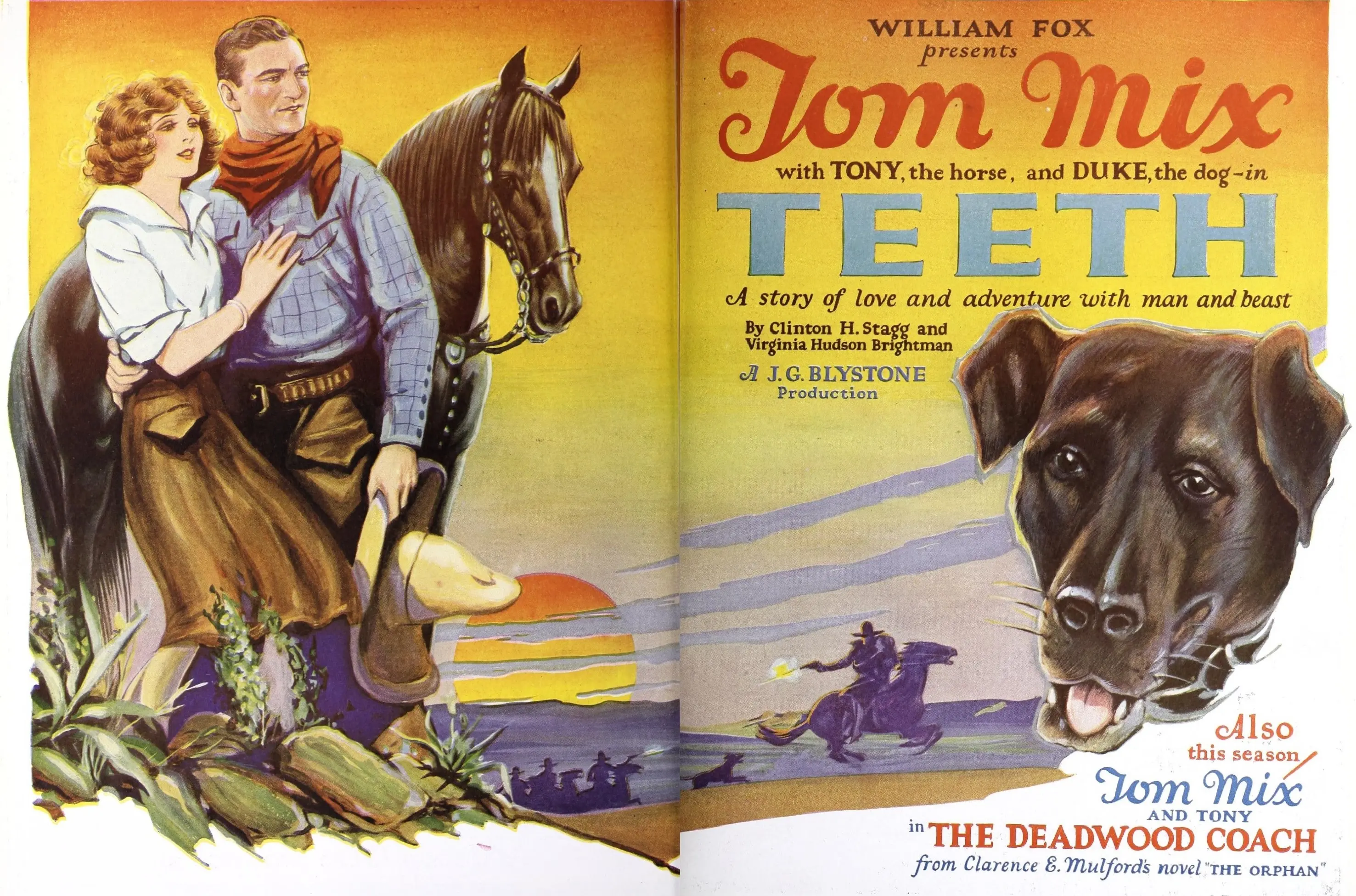
Dan Angus, train baggage master, mistreats two dogs in his care, throwing the small one off while the big one attacks him. Dan is fired and gets off at a small town, steals from the postmaster and kills him. Dave, a prospector, finds the large dog and re-christens him "Teeth." Paula, the owner of the dogs, comes back to the town to find them. Dan frames Dave who is arrested for the murder, but with the aid of Teeth escapes to the woods. Paula follows with Dan after her. Dan attacks Paula and puts her in a cabin, accidentally setting the forest on fire. Teeth gets Dave who rescues Paula. Dave takes her to a waterhole while Teeth brings the horse Tony. After the fire, Dan who has been caught in the flames confesses and Paula confesses her love for Dave, thus ending the dispute as to which shall keep Teeth.
Decades after its release, Teeth remains a vital piece of the cinematic puzzle. Its influence can be seen in countless modern works, solidifying John G. Blystone's status as a master of the craft in United States and beyond.