
Film History
The Mesmeric Mandate: Why Early Cinema’s Obsessions with Hypnotic Control Scripted the Cult of the Devoted Spectator
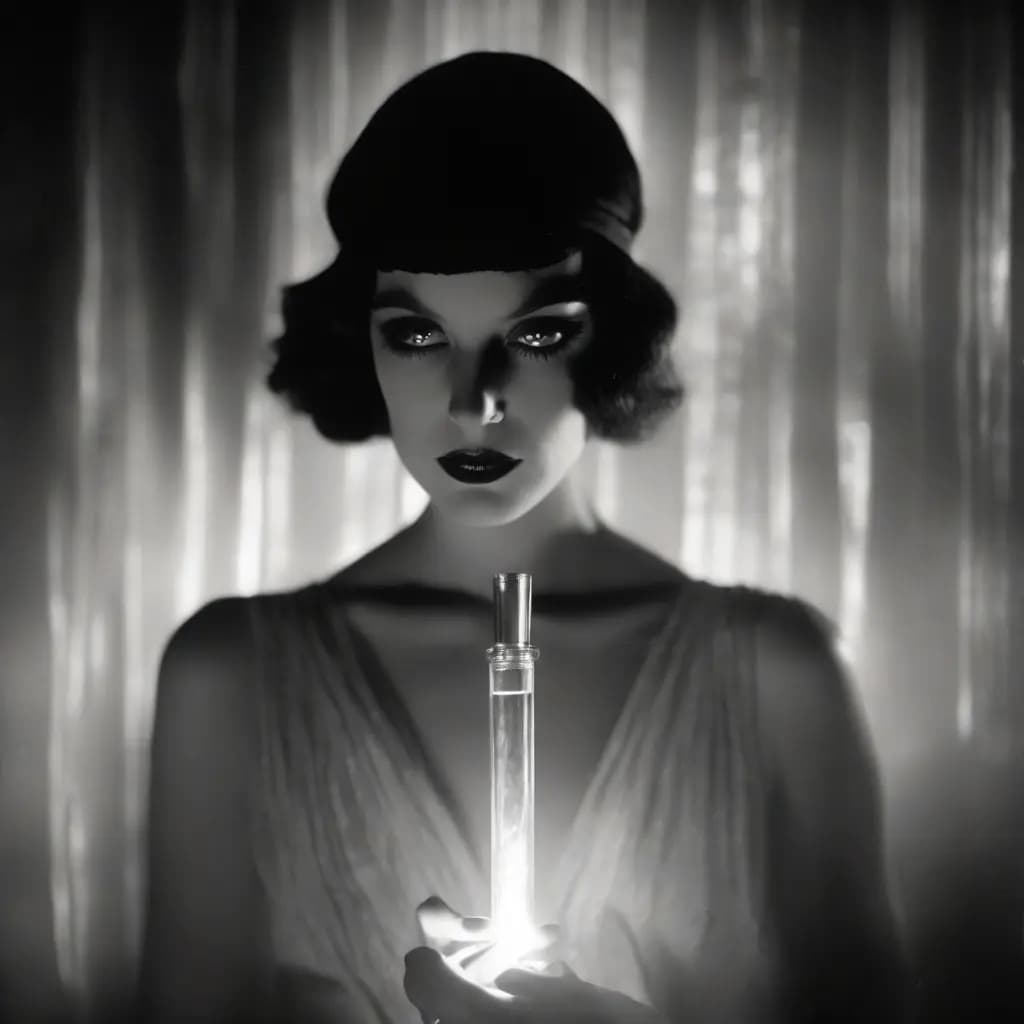
“Explore how the silent era's fascination with hypnosis, psychic dominance, and the 'Madcap' rebel created the psychological blueprint for modern cult cinema worship.”
There is a specific, feverish quality to the flickering light of a silent film projector that modern digital clarity can never replicate. It is the visual equivalent of a trance, a rhythmic pulse of silver and shadow that demands a total surrender of the senses. As a historian of the fringe, I have long argued that the 'cult' phenomenon didn't begin with the midnight screenings of the 1970s, but rather in the smoke-filled nickelodeons where the first audiences were systematically conditioned to worship the screen. This wasn't just entertainment; it was a form of mass psychological experimentation. The silent era was obsessed with the idea of the unseen influence—the hypnotic suggestion, the mesmeric grip, and the psychic predator. In these early narratives of mind control and obsessive devotion, we find the literal DNA of the modern cult spectator: a viewer who doesn't just watch a film, but falls under its spell.
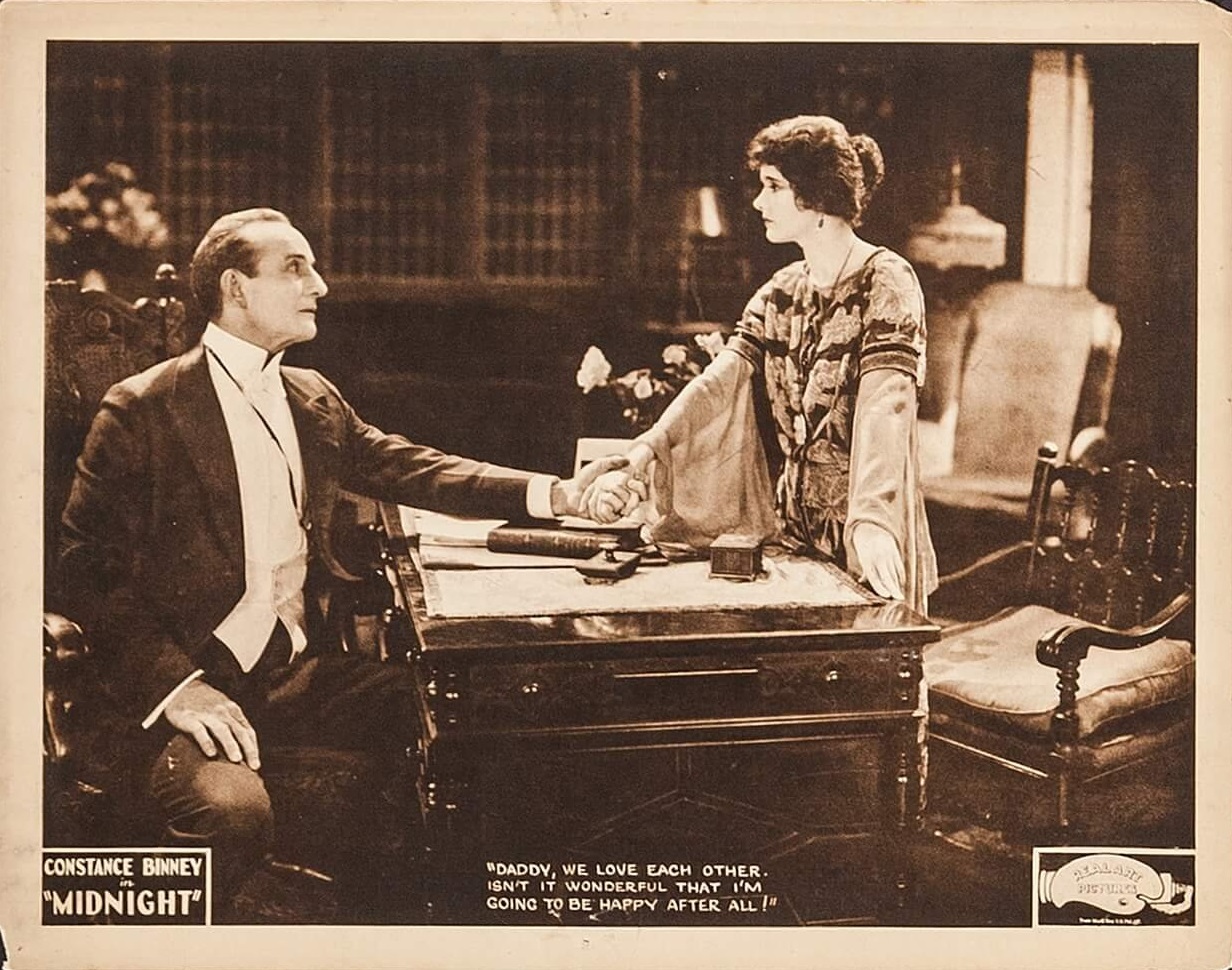
To understand the roots of our cinematic devotion, we must look at how the 1910s and 20s treated the human mind as a battlefield. The era’s fascination with the 'occult scientist' and the 'mesmeric master' provided a mirror for the relationship between the director and the audience. When we sit in the dark, we are, in essence, becoming the somnambulists that populated the screens of the Jazz Age. We are vulnerable, receptive, and waiting for a master to dictate our emotional reality.

The Scientist and the Somnambulist: Hypnotic Tropes as Proto-Cult Logic
The most potent example of this psychological enslavement is found in the 1920 curiosity The Sleep of Cyma Roget. Here, we encounter Chandra Dak, an 'evil Hindu scientist' whose primary power is the ability to cast the beautiful Cyma Roget into a hypnotic state that mimics death. This isn't merely a plot device for a melodrama; it is a profound metaphor for the cinematic experience itself. Dak represents the filmmaker—the one who possesses the 'secret knowledge' of the apparatus—while Cyma is the audience, frozen in a state of suspended animation, her very breath governed by the will of another.
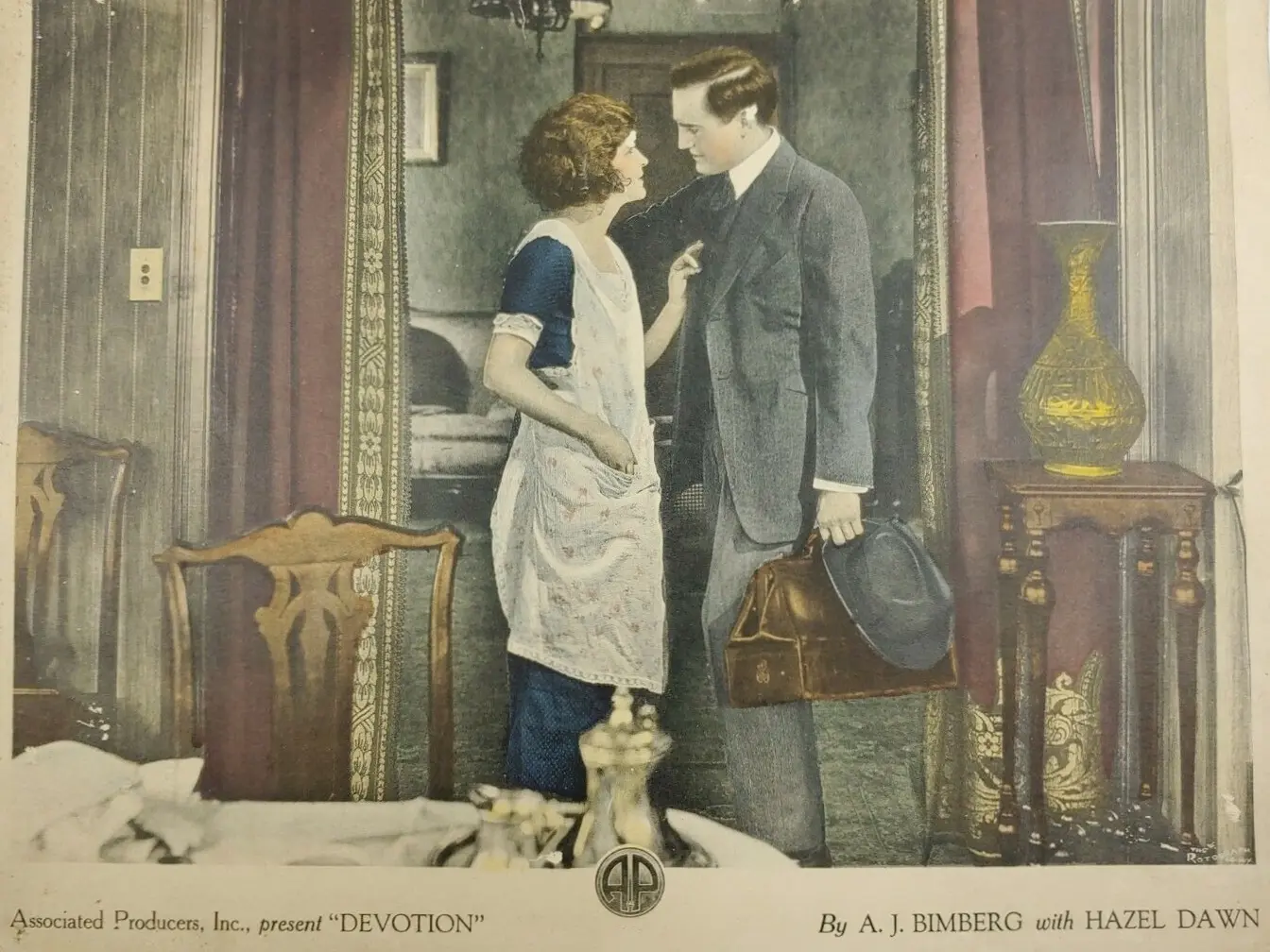
This dynamic of the mesmeric predator and the willing (or unwilling) subject is the bedrock of cult cinema. Why do we return to certain films until we can recite every line? Why do we allow certain directors to lead us into the darkest corners of the human psyche? It is because, like Cyma Roget, we have found a 'Chandra Dak' who can manipulate our neural pathways. The early cinema of hypnosis recognized that the screen was a portal for suggestion. In the case of films like The Man Behind the Curtain, the tragedy of Edna Hall, who walks innocently into a web of fate and employment-based entrapment, mirrors the way a cult film slowly entangles its viewer. You don't realize you are 'obsessed' until the curtains close and you find you cannot leave the world behind.
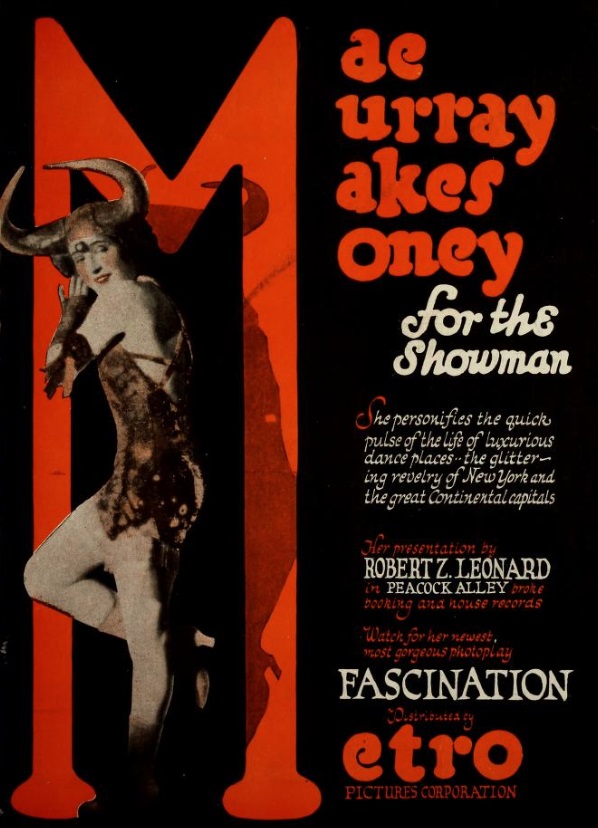
"The screen is not a window; it is a mirror of the subconscious, where the director acts as the primary hypnotist, and the audience as the ultimate subject."
The Thrill of the Precipice: Why the 'Madcap' Archetype Forged the Danger-Seeking Fan
Cult cinema often thrives on the 'thrill of the forbidden' or the 'danger of the edge.' This psychological craving was perfectly encapsulated in the silent era by characters like Hermia Challoner in The Madcap. Hermia is a woman so satiated by luxury that she can only find happiness in the proximity of danger and excitement. This 'Madcap' energy is the spiritual ancestor of the transgressive cult fan who seeks out banned films, extreme horror, or avant-garde obscurities.
Hermia’s boredom with the conventional and her descent into the 'excitement' of John Markham’s world is a roadmap for how audiences began to reject mainstream narratives in favor of the visceral. We see a similar neurosis in The Wife of the Centaur, where the novelist Jeffrey Dwyer is torn between the 'innocent' Joan and the 'sultry' Inez Martin. These characters aren't just archetypes of romance; they represent the internal struggle of the cinema-goer who is bored by the 'safe' and 'innocent' and finds themselves inexorably drawn to the 'sultry' and 'destructive.' Cult cinema is essentially the 'Inez Martin' of film history—the dangerous alternative that promises a more intense, if ruinous, experience.
The Architecture of Obsession
- The Lure of the Unknown: Characters in films like The Mystery Ship or The Purple Mask operate in a world of secret identities and hidden agendas, mirroring the 'secret society' feel of cult fandom.
- The Social Outcast: In The Heart of a Child, the poverty-stricken girl's rise to nobility is a fantasy of transformation that resonates with the cult fan’s desire to find hidden value in the discarded.
- The Moral Maze: Films like The Vice of Fools showcase how unrequited love and social disapproval create a 'pressure cooker' of emotion that cult directors love to exploit.
Colonial Gothic and the Rajah’s Grip: Exoticism as a Tool of Cinematic Enslavement
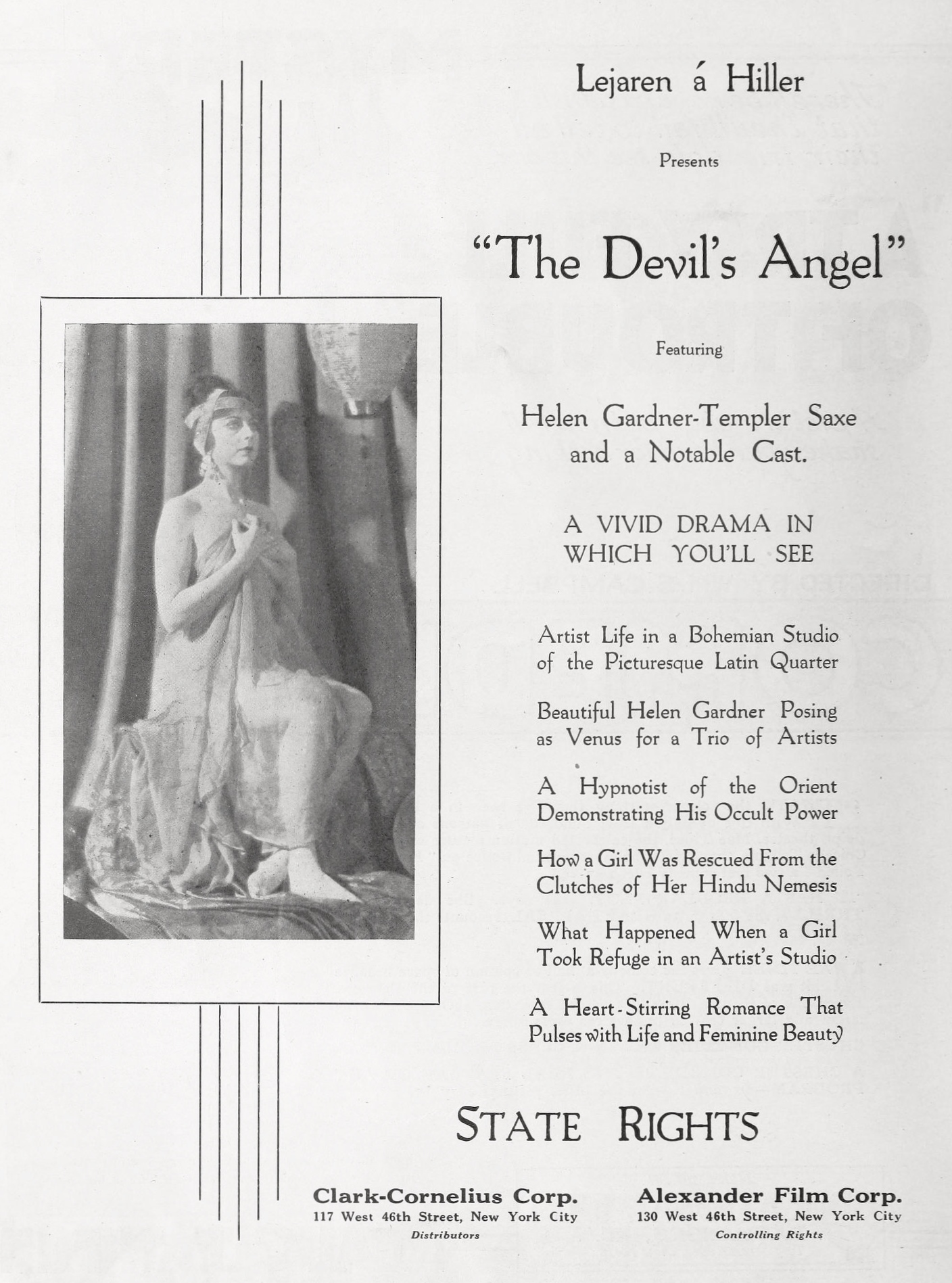
One cannot discuss the 'mesmeric mandate' without addressing the era’s deeply problematic yet visually arresting use of Orientalism to signify psychological control. In The Haunted Manor, an American adventuress is 'loved' by an Indian Rajah, living in a court that is as much a prison as it is a palace. When a young artist competes for her affection, the Rajah’s rage is not just romantic—it is a struggle for total ownership of her soul. This trope of the 'Eastern Master' (also seen in The White Panther with the chieftain’s daughter Yasmiri) served as a shorthand for a power that was absolute and inescapable.
For the early 20th-century viewer, these films offered a safe way to flirt with the idea of losing control. The 'exotic' setting acted as a buffer, allowing the audience to experience the thrill of being dominated by a foreign, 'mystical' force. This is the same impulse that drives people toward the ritualistic aspects of cult cinema today—the desire to be part of something 'other,' something that exists outside the mundane rules of Western domesticity. The Rajah in his manor is the precursor to the 'Cult Leader' figure in later cinema, from the charismatic villains of 70s exploitation to the psychological gurus of modern indie horror.
The Social Panopticon: Breaking the Chains of Parental and Marital Control
While some films focused on literal hypnosis, others explored the 'social hypnosis' of the era. The 1920s were a time of rigid class structures and suffocating social expectations, and the 'cult' films of the day were those that showed characters breaking these invisible chains. To Have and to Hold is a perfect example: Lady Jocelyn flees a forced marriage to the hated Lord Carnal by escaping to the American colonies. This narrative of flight—of abandoning the 'known' for a lawless 'unknown'—is the core fantasy of the cult rebel.
In The Vice of Fools, the disapproval of a mother breaks a love affair, leading to a spiral of infatuation and debutante flirtation. These films were 'cult' because they spoke to the secret dissatisfactions of the audience. They whispered that the life you were leading was a lie, that you were being 'hypnotized' by society, and that the only way to be free was to embrace the 'madness' of the heart. Even in comedies like Be My Wife, where Max must woo Mary despite Aunt Agatha’s disapproval, the subtext is always about circumventing the 'guardians' of the status quo. The cult fan is, by definition, an Aunt Agatha-avoider; they are looking for the secret passage, the hidden screening room, the forbidden reel.
From Hypnosis to Hysteria: The Birth of the Ritualistic Viewer
By the end of the silent era, the 'mesmeric mandate' was firmly established. Cinema had proven it could do more than tell a story; it could induce a state of being. The films mentioned here—from the hypnotic death-sleep of Cyma Roget to the thrill-seeking neurosis of the Madcap—created a blueprint for a specific type of cinematic engagement. They taught us that the screen is a place of surrender. We see this even in the propaganda of the time, such as Tovarishch Abram (Comrade Abram), which used the story of a pogrom survivor to 'organize' the emotions of the Moscow factory workers. Whether for art, romance, or politics, the goal was the same: the colonization of the spectator's mind.
As we look back from our era of algorithmic recommendations and bite-sized content, the raw, unpolished power of these early 'mind-control' narratives feels more vital than ever. They remind us that the true power of cinema lies in its ability to haunt us. A film like Calvert's Valley, with its tragic fall from a cliff and broken engagements, doesn't just end when the lights come up; it leaves a residue of melancholy that lingers for days. That residue is the mark of the cult experience.
We are all, in a sense, the descendants of Cyma Roget. We sit in the dark, waiting for the flicker to begin, waiting for the 'Hindu scientist' of the digital age to cast us into a state of death-like sleep. And we go back, again and again, because there is no greater high than the moment when the film takes over, and we are no longer in control of our own hearts. The cult of the spectator is alive and well, still dancing to the silent rhythms of a century-old trance.
Community
Comments
Log in to comment.
Loading comments…