
DbcultAccessing Vault...
Director's Spotlight
Senior Film Conservator
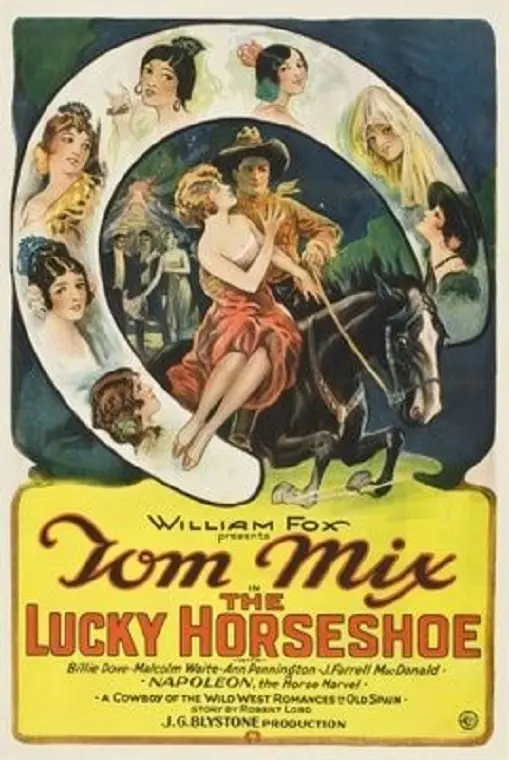
Director's Spotlight: United States
A Deep Dive into the 1925 Vision of John G. Blystone
As we revisit the 1925 masterpiece The Lucky Horseshoe, we are struck by the atmospheric immersion that John G. Blystone achieves throughout The Lucky Horseshoe. Exploring the nuances of the human condition with Drama flair, it solidifies John G. Blystone's reputation as a master of the craft.
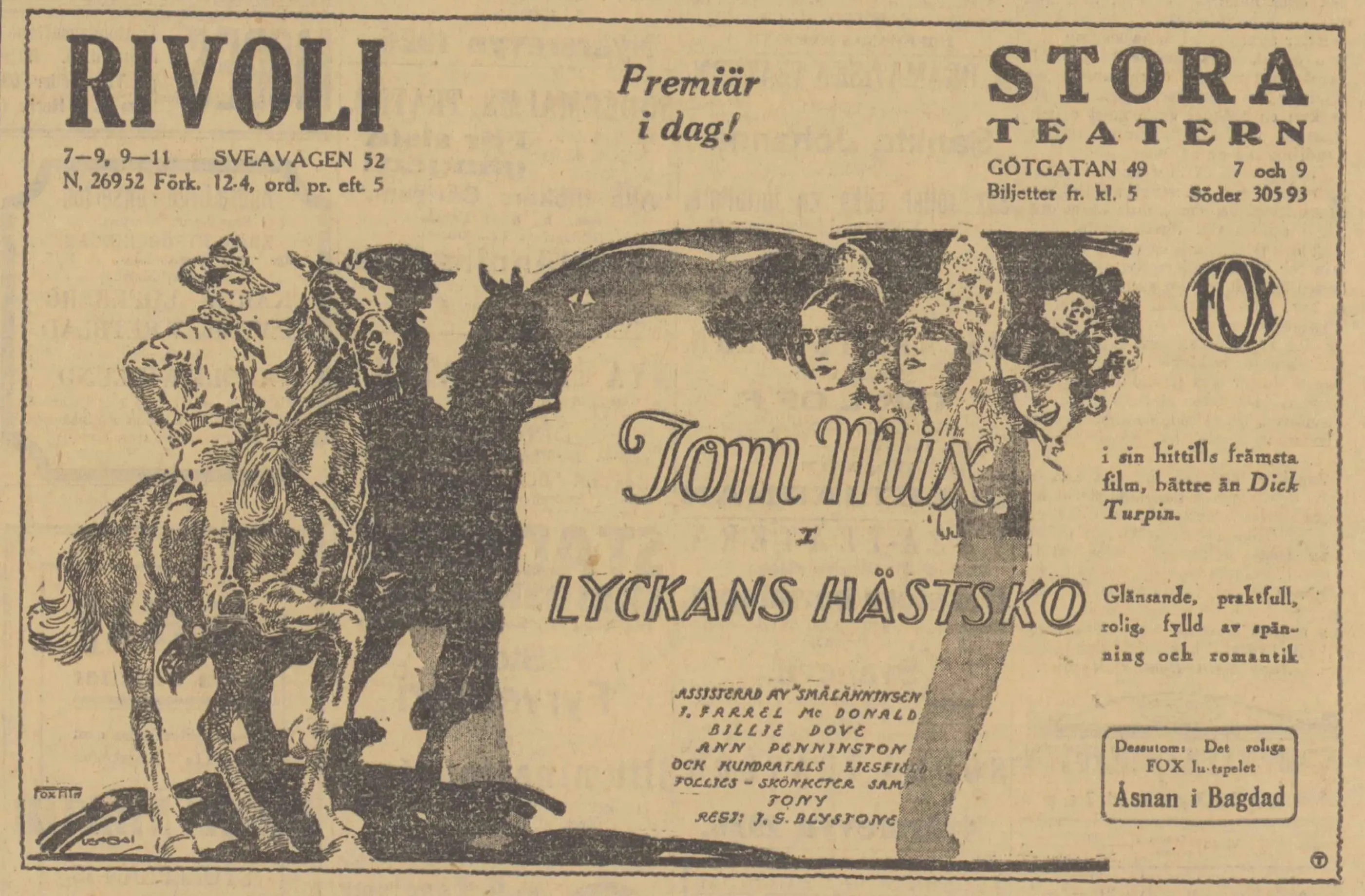
In The Lucky Horseshoe, John G. Blystone pushes the boundaries of conventional narrative. The film's unique approach to its subject matter has sparked endless debates and interpretations among cinephiles and critics alike.
| Cinematography | High-Contrast |
| Soundtrack | Experimental |
| Editing | Invisible |
| Art Direction | Kitsch |
Visualizing the convergence of John G. Blystone's style and the core Drama narrative.
A ranch foreman, rebuffed by his boss' daughter, turns the ranch into a tourist mecca. The girl leaves the ranch, but eventually she returns with her new fiancé, who she says is a rich European, and they plan to get married at the ranch. Her engagement doesn't discourage the foreman, however, and finally her fiancé orders his servants to kidnap him and keep him under wraps until the wedding. The foreman finds out some damaging information about his love's "rich European" fiancée, and has to find a way to escape captivity and stop the wedding.
Decades after its release, The Lucky Horseshoe remains a vital piece of the cinematic puzzle. Its influence can be seen in countless modern works, solidifying John G. Blystone's status as a master of the craft in United States and beyond.