
DbcultAccessing Vault...
Director's Spotlight
Senior Film Conservator
Director's Spotlight: United States
A Deep Dive into the 1920 Vision of John Griffith Wray
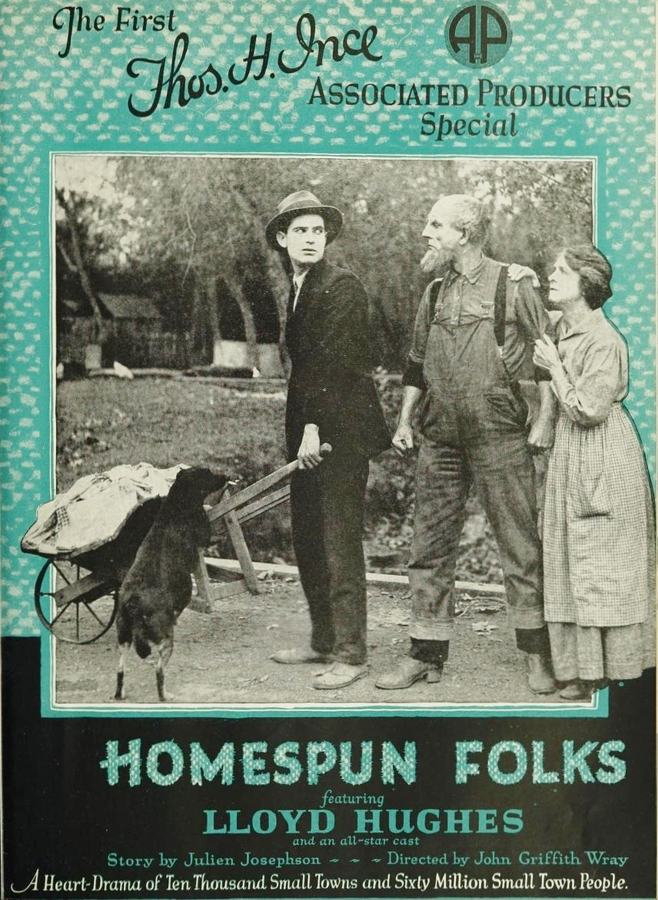
The thematic gravity of Homespun Folks (1920) is rooted in the historical context that John Griffith Wray weaves into the Drama fabric. Synthesizing the best elements of United States and international cinema, it highlights the importance of independent voices in United States.
In Homespun Folks, John Griffith Wray pushes the boundaries of conventional narrative. The film's unique approach to its subject matter has sparked endless debates and interpretations among cinephiles and critics alike.
To fully appreciate Homespun Folks, one must consider the cinematic climate of 1920. During this period, United States was undergoing significant artistic shifts, and John Griffith Wray was at the forefront of this Drama movement, often challenging established norms.
| Cinematography | Static |
| Soundtrack | Minimalist |
| Editing | Slow-Burn |
| Art Direction | Brutalist |
Visualizing the convergence of John Griffith Wray's style and the core Drama narrative.
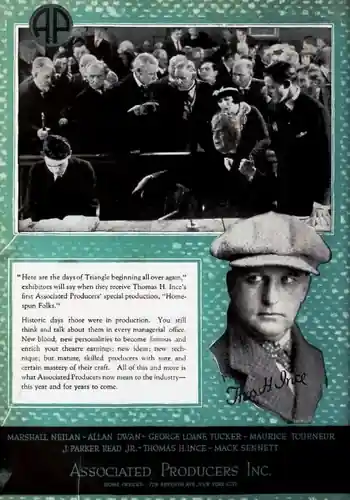
Caleb Webster, a stern farmer who will not sanction the presence of a "fool lawyer" in his household, turns his son Joel from his house, after which Joel settles in Gatesville. There he meets Beulah Rogers, the daughter of newspaper editor Pliny Rogers. When Rogers forces Hilary Rose, the Republican nominee for district attorney, to withdraw from the race because of his shady past, Joel is induced to run and wins the election. Rose, brooding over his disgrace, shoots himself in a drunken rage. Joseph Hargan, a discharged printer, witnesses the incident and, in an attempt to get even for his firing, accuses Rogers of the shooting. Joel is called upon to prosecute the father of the girl he loves, but just before the trial, he learns Hargan's motive, thus obtaining Rogers' release. This infuriates the political bosses, who decide to tar and feather Joel. Before they can carry out their plan, Beulah forces Hargan at gunpoint to confess his act of perjury. The mob then releases Joel, who is forgiven by his stern father and wins Rogers' consent to marry Beulah.
Decades after its release, Homespun Folks remains a vital piece of the cinematic puzzle. Its influence can be seen in countless modern works, solidifying John Griffith Wray's status as a master of the craft in United States and beyond.