
DbcultAccessing Vault...
Director's Spotlight
Senior Film Conservator
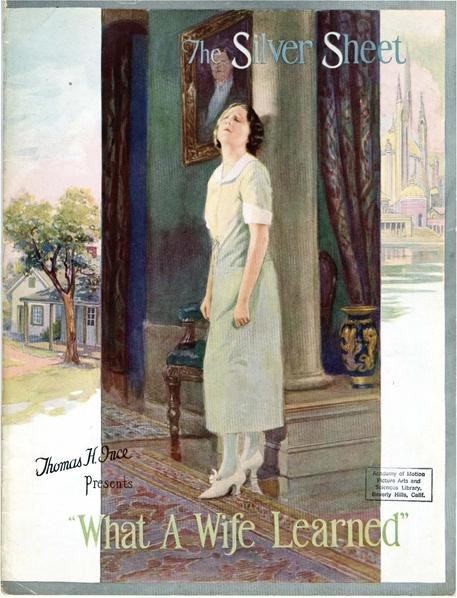
Director's Spotlight: United States
A Deep Dive into the 1923 Vision of John Griffith Wray
The brilliance of What a Wife Learned (1923) is inseparable from the visionary mind of its creator, John Griffith Wray. Serving as a mirror to the anxieties of a changing world, it persists as a haunting reminder of our own cinematic history.
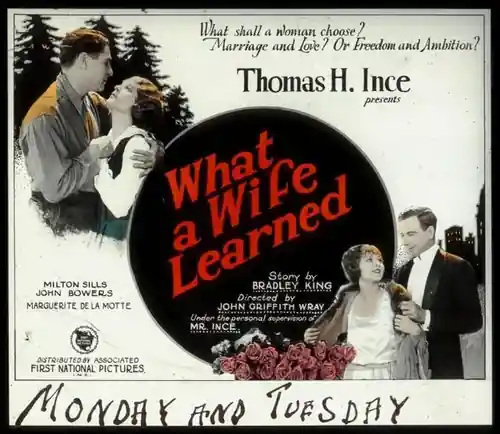
In What a Wife Learned, John Griffith Wray pushes the boundaries of conventional narrative. The film's unique approach to its subject matter has sparked endless debates and interpretations among cinephiles and critics alike.
| Cinematography | High-Contrast |
| Soundtrack | Experimental |
| Editing | Elliptical |
| Art Direction | Expressionist |
Visualizing the convergence of John Griffith Wray's style and the core Drama narrative.
Sheila Dorne marries rancher Jim Russell after he assures her that he will never interfere with her literary career. The success of Sheila's novel and its subsequent dramatization take her to New York City and new friends, including theatrical producer Rudolph Martin, who falls in love with her. Prior to her departure, Sheila and Jim have a misunderstanding that is left unresolved. Jim unhappily throws himself into the construction of a large dam, which is completed just as Sheila returns home accompanied by Rudolph. When a flood occurs, Jim rescues Rudolph with the assumption that Sheila loves him, but it becomes obvious that Sheila prefers her husband.
Decades after its release, What a Wife Learned remains a vital piece of the cinematic puzzle. Its influence can be seen in countless modern works, solidifying John Griffith Wray's status as a master of the craft in United States and beyond.