
DbcultAccessing Vault...
Director's Spotlight
Senior Film Conservator

Director's Spotlight: United States
A Deep Dive into the 1918 Vision of John H. Collins
The cult DNA of A Weaver of Dreams is a reflection of United States's the historical context that John H. Collins weaves into the cult fabric. Challenging the viewer to find meaning in the cult shadows, it transcends regional boundaries to tell a universal story.
In A Weaver of Dreams, John H. Collins pushes the boundaries of conventional narrative. The film's unique approach to its subject matter has sparked endless debates and interpretations among cinephiles and critics alike.
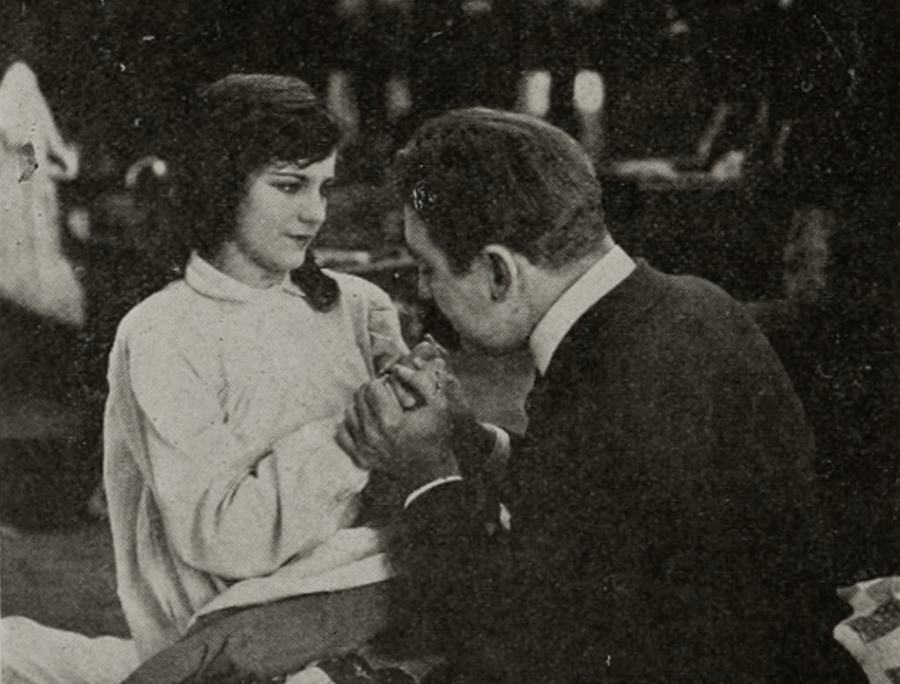
To fully appreciate A Weaver of Dreams, one must consider the cinematic climate of 1918. During this period, United States was undergoing significant artistic shifts, and John H. Collins was at the forefront of this cult movement, often challenging established norms.
| Cinematography | Handheld |
| Soundtrack | Orchestral |
| Editing | Invisible |
| Art Direction | Kitsch |
Visualizing the convergence of John H. Collins's style and the core cult narrative.
When Judith Sylvester becomes engaged to Dr. Carter Keith, he prepares a charming little home for her arrival, dubbing it the "House of Hearts." Their happiness is complete until Margery Gordon appears to distract Carter from his fiancée. Judith is troubled by his sudden change of heart, but not until she sees Margery and Carter embracing in the "House of Hearts" does she fully realize that their romance is over. After breaking their engagement, she moves in with Cynthia Bancroft, who had met and fallen in love with Judith's guardian, Martin Chandler, when the two were involved in a train wreck. Judith is instrumental in reuniting them, and then, left alone, she grimly resolves to make the best of life.
Decades after its release, A Weaver of Dreams remains a vital piece of the cinematic puzzle. Its influence can be seen in countless modern works, solidifying John H. Collins's status as a master of the craft in United States and beyond.