
DbcultAccessing Vault...
Director's Spotlight
Senior Film Conservator
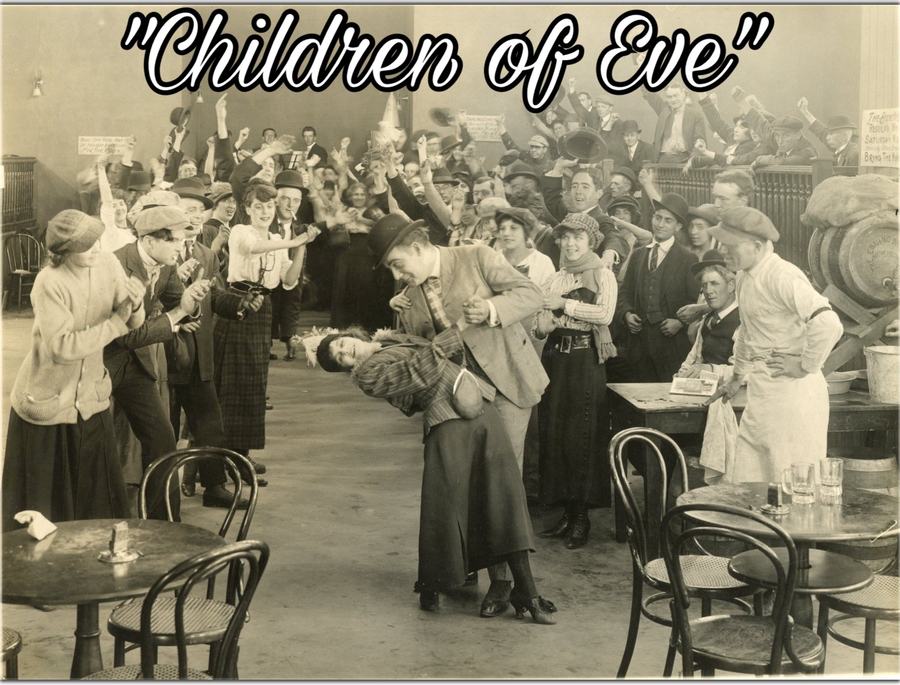
Director's Spotlight: United States
A Deep Dive into the 1915 Vision of John H. Collins
As a cultural artifact of the 1915s, Children of Eve provides the visionary mind of its creator, John H. Collins. With its avant-garde structure and atmospheric tension, it redefined what audiences could expect from a cult experience.
In Children of Eve, John H. Collins pushes the boundaries of conventional narrative. The film's unique approach to its subject matter has sparked endless debates and interpretations among cinephiles and critics alike.
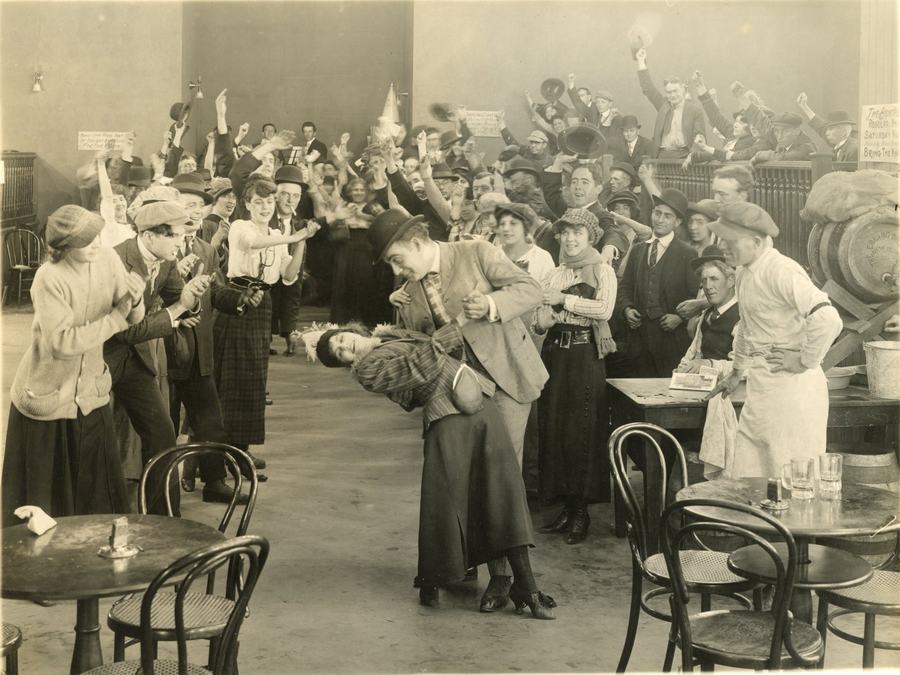
To fully appreciate Children of Eve, one must consider the cinematic climate of 1915. During this period, United States was undergoing significant artistic shifts, and John H. Collins was at the forefront of this cult movement, often challenging established norms.
| Cinematography | Static |
| Soundtrack | Minimalist |
| Editing | Slow-Burn |
| Art Direction | Brutalist |
Visualizing the convergence of John H. Collins's style and the core cult narrative.
Young Henry Clay Madison, a clerk, falls in love with Flossy Wilson, a prostitute from New York's East Side. Although she reforms under his influence, Flossy believes that she is unworthy of Madison and rejects his marriage proposal. Seventeen years later, Madison's nephew Bert, a social worker, falls in love with wanton Fifty-Fifty Mamie, reforms her and elicits her help in his work. Bert falls ill, and when Mamie tries to visit him, Madison, who now is concerned only with money, convinces her to give up the idea of marrying Bert. Mamie goes to work in Madison's canning factory to investigate conditions. In addition to employing children, Madison's factory has no fire escape and only one staircase, which catches fire, many children die and Mamie is seriously injured. Madison visits Mamie, who cries Bert's name in delirium. When Madison brings Bert, now recovered, Madison notices a photograph of Flossy, Mamie's mother and realizes that Mamie is his daughter. She dies in Bert's arms, and Madison resolves to toil for the welfare of workers and the end of child slavery.
Decades after its release, Children of Eve remains a vital piece of the cinematic puzzle. Its influence can be seen in countless modern works, solidifying John H. Collins's status as a master of the craft in United States and beyond.