
DbcultAccessing Vault...
Director's Spotlight
Senior Film Conservator
Director's Spotlight: United States
A Deep Dive into the 1918 Vision of John H. Collins
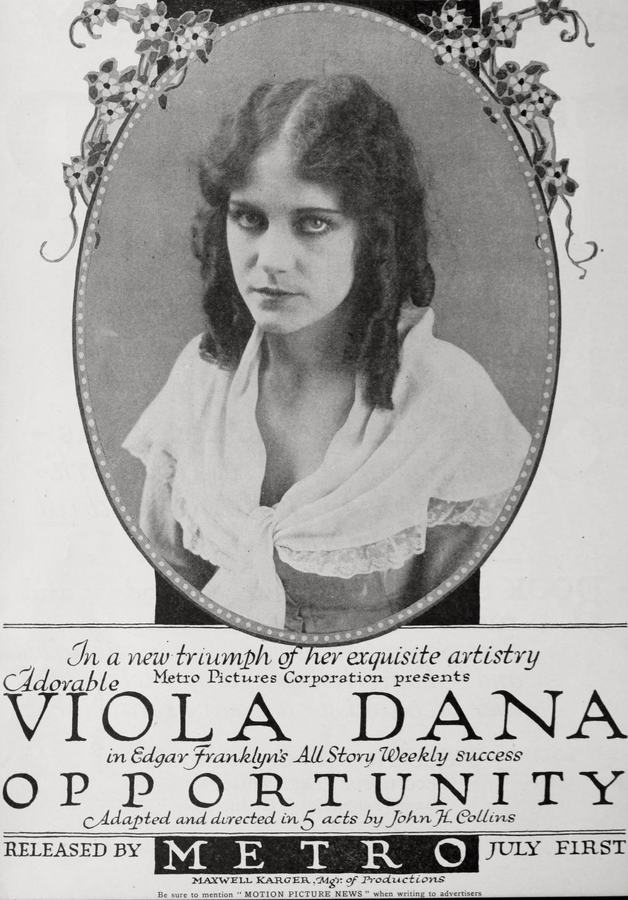
When we examine the cinematic landscape of United States, Opportunity emerges as a landmark work of the unique directorial voice that John H. Collins brought to the screen. This film stands as a masterclass in visual storytelling, it demands to be seen by anyone who cares about the art of film.
In Opportunity, John H. Collins pushes the boundaries of conventional narrative. The film's unique approach to its subject matter has sparked endless debates and interpretations among cinephiles and critics alike.
In this work, John H. Collins explores the intersection of cult and United States cultural identity. The meticulous attention to detail suggests a deep-seated commitment to pushing the boundaries of the medium, ensuring that Opportunity remains a relevant topic of study for cult enthusiasts.
| Cinematography | Handheld |
| Soundtrack | Experimental |
| Editing | Invisible |
| Art Direction | Kitsch |
Visualizing the convergence of John H. Collins's style and the core cult narrative.
When Henry Clay Willard refuses to allow his athletically inclined daughter Mary to attend a prizefight, she goes to the bout dressed in her brother's clothes. Next to her sits wealthy businessman Anthony Fry, who, believing that opportunity knocks only once, decides to give the "boy" his big chance. Anthony takes Mary to his apartment, where the house detective, troubled by the "boy's" strange appearance, begins an investigation. A series of misunderstandings follows, during which Anthony's visiting friend, Johnson Bowler, nearly loses his new wife Beatrice, who arrives unexpectedly to discover a woman in the apartment, and finally, Mary's father is called. Upon his arrival, all is explained, and Anthony and Mary decide to take advantage of the strange opportunity that brought them together.
Decades after its release, Opportunity remains a vital piece of the cinematic puzzle. Its influence can be seen in countless modern works, solidifying John H. Collins's status as a master of the craft in United States and beyond.