
DbcultAccessing Vault...
Director's Spotlight
Senior Film Conservator
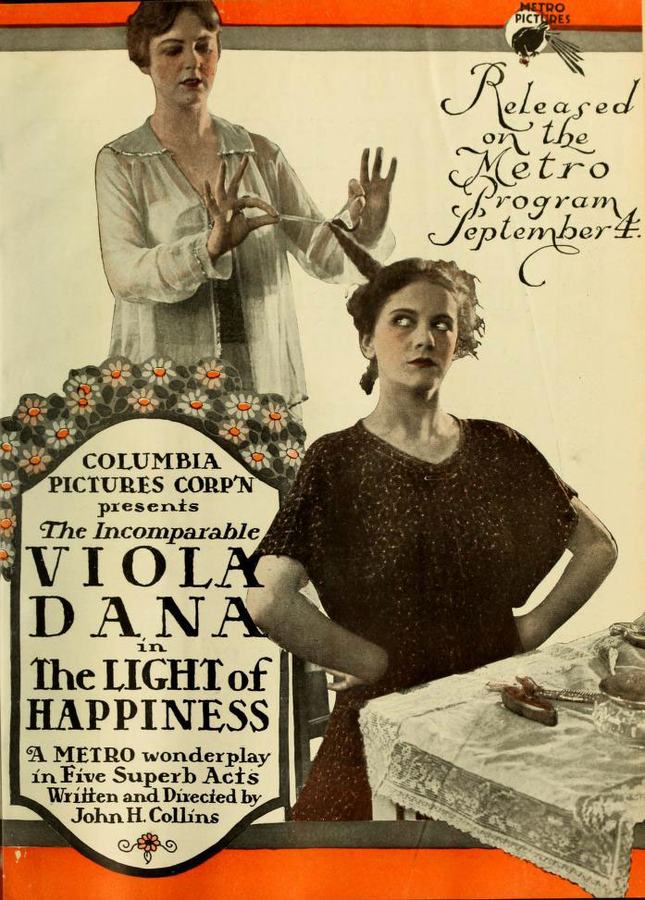
Director's Spotlight: United States
A Deep Dive into the 1916 Vision of John H. Collins
As we revisit the 1916 masterpiece The Light of Happiness, we are struck by the atmospheric immersion that John H. Collins achieves throughout The Light of Happiness. Exploring the nuances of the human condition with cult flair, it solidifies John H. Collins's reputation as a master of the craft.
In The Light of Happiness, John H. Collins pushes the boundaries of conventional narrative. The film's unique approach to its subject matter has sparked endless debates and interpretations among cinephiles and critics alike.
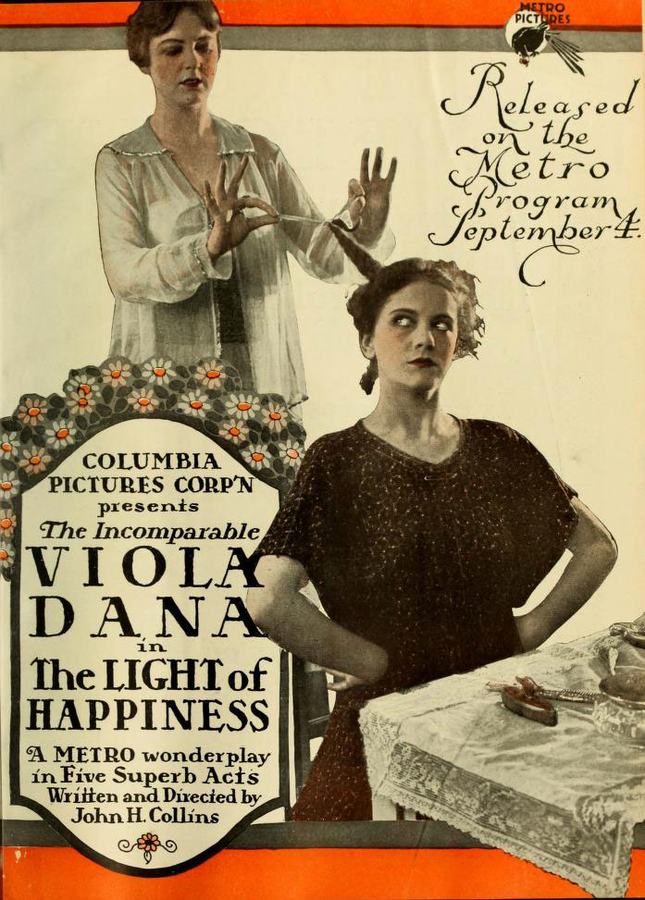
To fully appreciate The Light of Happiness, one must consider the cinematic climate of 1916. During this period, United States was undergoing significant artistic shifts, and John H. Collins was at the forefront of this cult movement, often challenging established norms.
| Cinematography | Deep Focus |
| Soundtrack | Synth-Heavy |
| Editing | Rhythmic |
| Art Direction | Naturalist |
Visualizing the convergence of John H. Collins's style and the core cult narrative.
Tangletop, is the daughter of the town drunk with her tattered clothes and unkempt hair has been made a social outcast. As a result, she seems to be the perfect actress for the role that Emmett Dwight has developed in order to deceive his wealthy ward, Lowell Van Orden, who, during his blindness, fell in love with Mollie Dean. Since Emmett wants his daughter Madeline to marry Lowell, he tells his ward, after his eyesight has been restored, that Tangletop, who gladly goes along with the plan, is Mollie. As Emmett hoped, his ward's ardor starts to cool, but then, after Tangletop comes under the influence of the Reverend Clyde Harmon, she confesses everything to Lowell. As soon as she finishes, Lowell seeks out the real Mollie and marries her, after which Tangletop marries Clyde.
Decades after its release, The Light of Happiness remains a vital piece of the cinematic puzzle. Its influence can be seen in countless modern works, solidifying John H. Collins's status as a master of the craft in United States and beyond.