
DbcultAccessing Vault...
Director's Spotlight
Senior Film Conservator
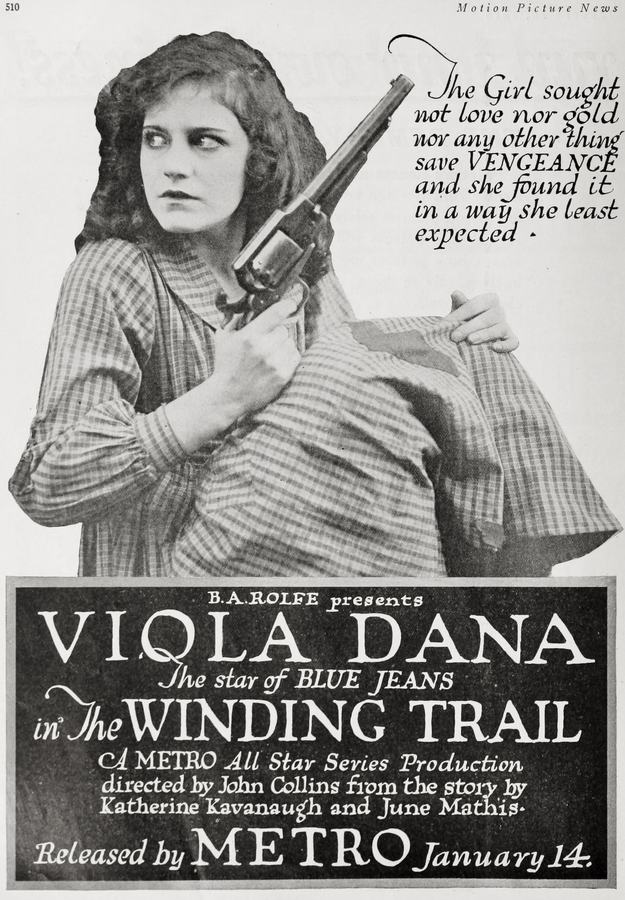
Director's Spotlight: United States
A Deep Dive into the 1918 Vision of John H. Collins
Exploring the cult underpinnings of The Winding Trail leads us to the stylistic boundaries pushed by John H. Collins during the production. Through a lens of existential fatalism and cult tropes, it continues to spark endless debates among critics and cinephiles alike.
In The Winding Trail, John H. Collins pushes the boundaries of conventional narrative. The film's unique approach to its subject matter has sparked endless debates and interpretations among cinephiles and critics alike.
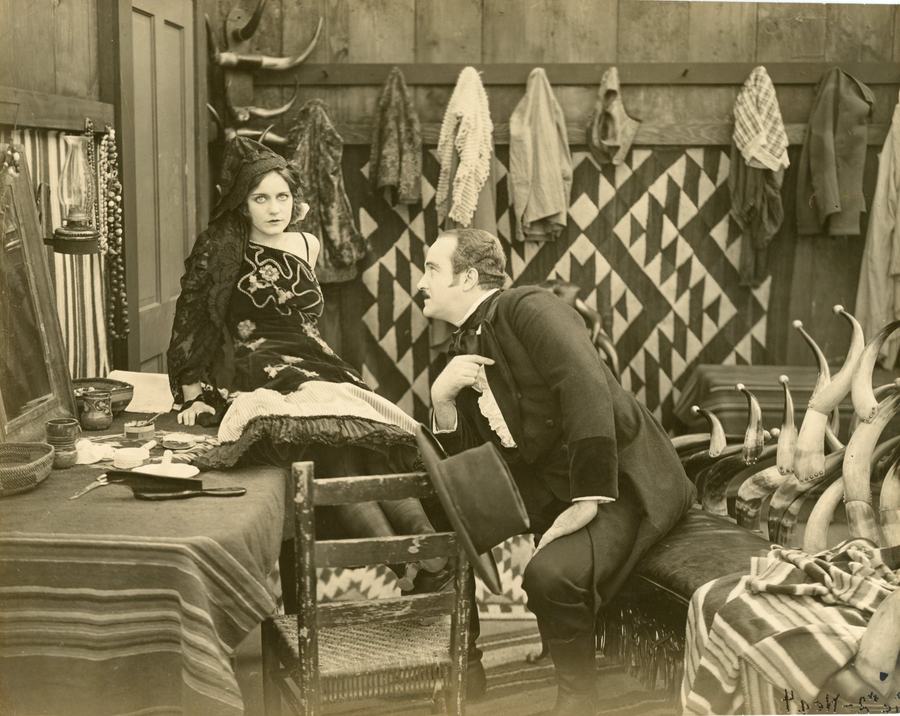
The visual language of The Winding Trail is defined by its use of shadows and framing, a hallmark of John H. Collins's style. By utilizing a 1918-era palette, the film creates an immersive experience that perfectly complements its cult themes.
| Cinematography | High-Contrast |
| Soundtrack | Diegetic |
| Editing | Elliptical |
| Art Direction | Expressionist |
Visualizing the convergence of John H. Collins's style and the core cult narrative.
In order to avenge the disgrace and subsequent death of her sister, New York theatrical star Audrey Graham joins an 1870's caravan bound for the Western town of Silver Bar, where Alvin Steele, the man who betrayed Audrey's sister, now lives. The homesteaders run out of supplies and are dying of thirst on the parched Western plains when they reach the hideout of an outlaw named Zachary Wando. Zachary at first refuses them water, but Audrey, disguised as a child, melts his heart and he relents. After learning of Audrey's deception, however, he threatens to hold her captive unless she brings Steele, with whom his wife Lou is having an affair, to his camp. Audrey locates Steele, captivates him with her beauty, and then leads him to Zachary, who gives Lou a gun and orders her to choose between them. Lou shoots Steele and is then reconciled to her husband, while Audrey returns to New York, her desire for vengeance satisfied.
Decades after its release, The Winding Trail remains a vital piece of the cinematic puzzle. Its influence can be seen in countless modern works, solidifying John H. Collins's status as a master of the craft in United States and beyond.